Mixed Use Development Benefits, Examples, and Future Insights
Mixed-use development refers to an urban planning and real estate concept where residential, commercial, cultural, and sometimes industrial spaces are combined within a single project or neighborhood. Unlike traditional zoning, where land uses are separated, mixed-use integrates them to create vibrant, walkable communities.
This type of development has become increasingly popular in cities around the world due to rising land costs, population growth, and demand for convenience. People now want to live near where they shop, work, and enjoy leisure activities. Mixed-use projects provide this integration, reducing reliance on cars and enhancing the quality of life.
At its core, mixed-use development goes beyond just putting apartments above shops. It involves thoughtful planning, ensuring that the blend of functions supports economic activity, fosters community, and improves sustainability.
Key Features of Mixed Use Development
A successful mixed-use project typically includes a combination of residential units, retail spaces, offices, and recreational facilities. It may also incorporate public amenities such as parks, cultural centers, or transit hubs.
The integration of these components is not random. Urban planners carefully design layouts to ensure accessibility, safety, and synergy between different uses. For example, restaurants and retail stores are often positioned at street level to create lively sidewalks, while residences and offices are located above for privacy.
Additionally, modern mixed-use developments frequently adopt sustainable design practices. These may include energy-efficient buildings, green rooftops, and smart technologies for energy and water management.
Real-World Examples of Mixed Use Development
1. Hudson Yards, New York City
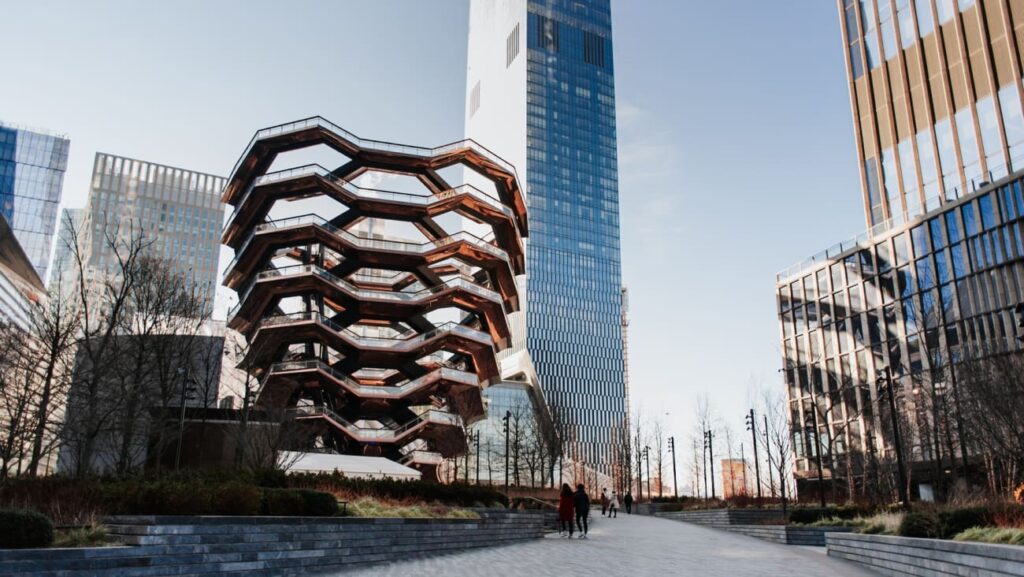
Hudson Yards is one of the largest mixed-use developments in the United States. Located in Manhattan, it integrates luxury residences, office towers, cultural institutions, retail outlets, and dining experiences. The project also includes The Vessel, a striking architectural landmark, and public green spaces.
The relevance of Hudson Yards lies in its ability to transform a once underutilized industrial zone into a thriving community hub. It demonstrates how mixed-use projects can reshape city skylines and generate significant economic activity.
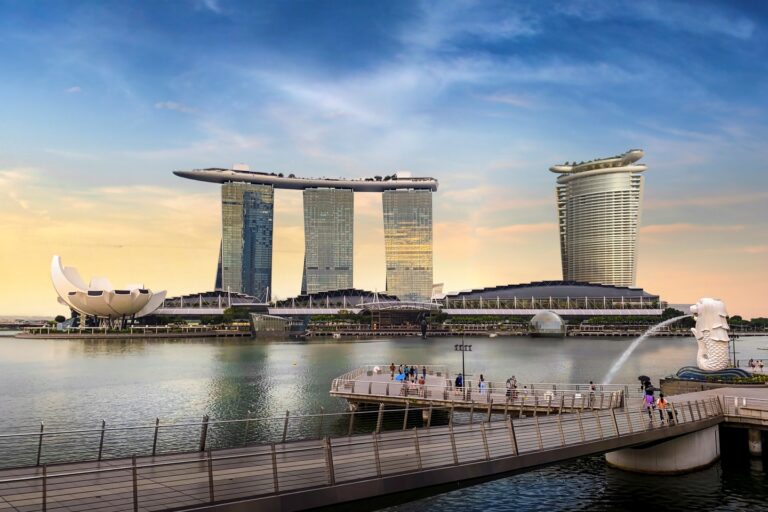
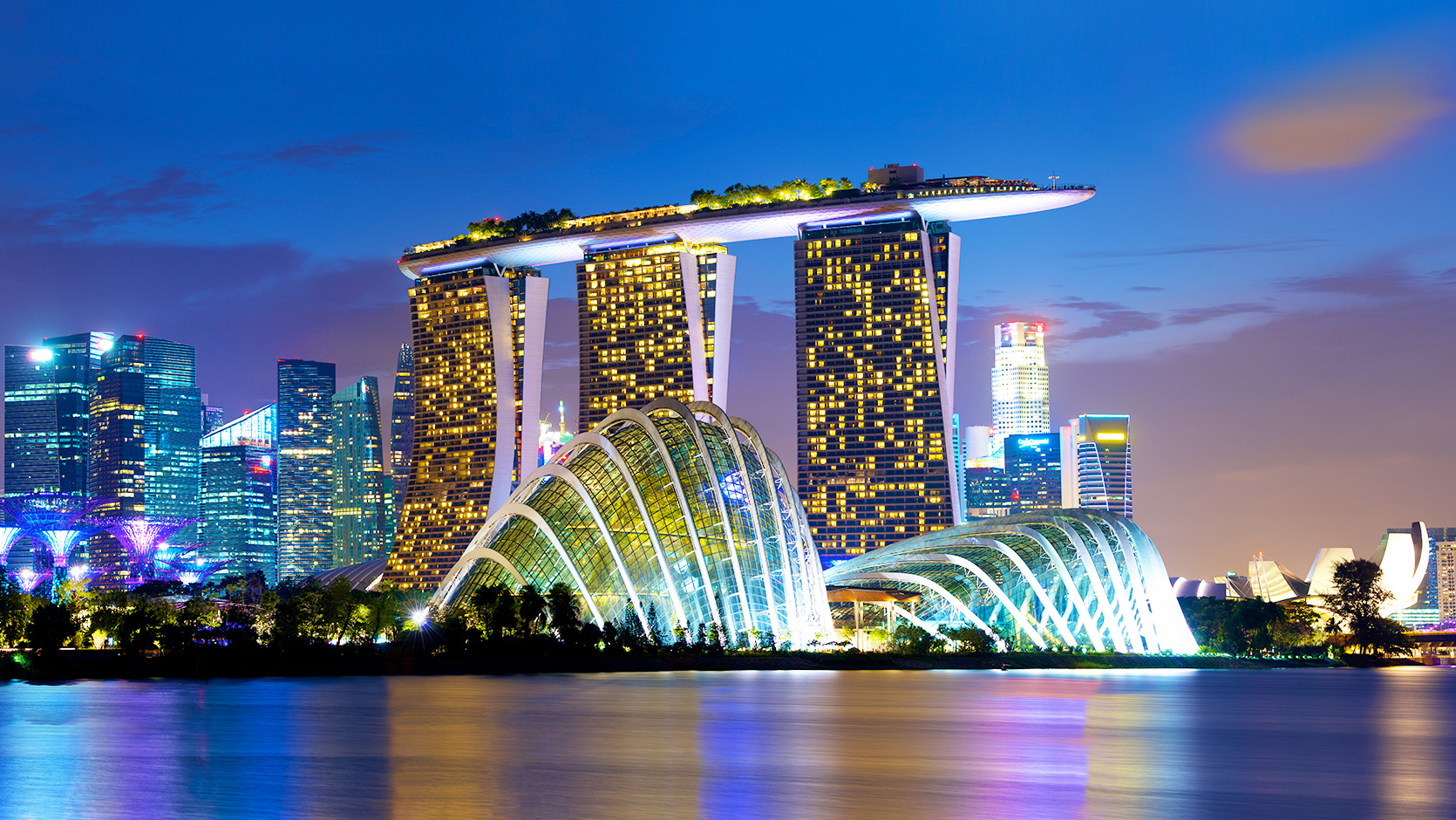
2. Marina Bay Sands, Singapore
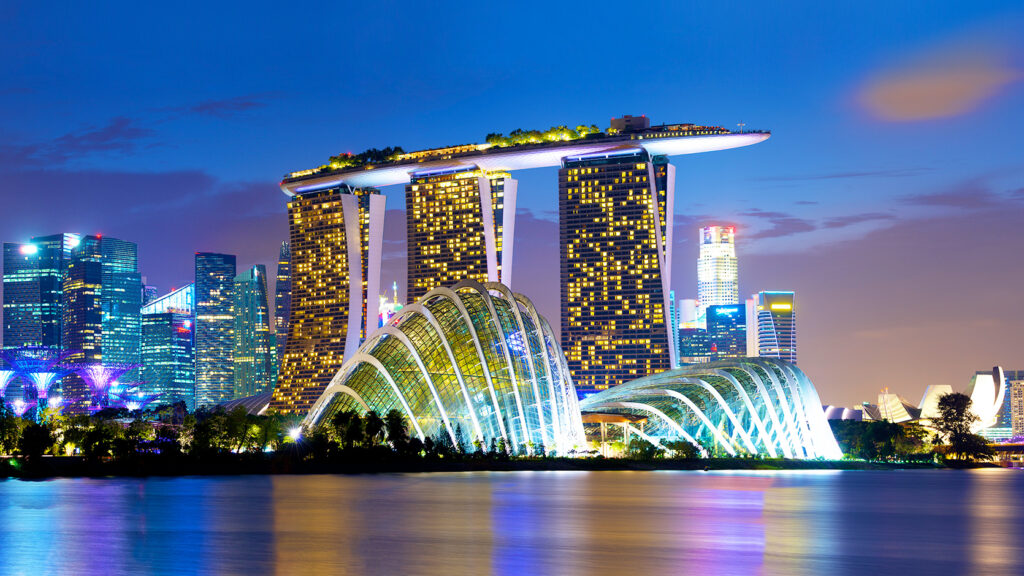
Marina Bay Sands is not only a luxury hotel but also a mixed-use icon. It combines hospitality, retail, convention centers, theaters, restaurants, and even a museum. Its rooftop infinity pool has become a global attraction.
This development shows how mixed-use can cater to tourism, business, and residents simultaneously. It highlights the potential for such projects to become international landmarks while boosting local economies.
3. King’s Cross Redevelopment, London
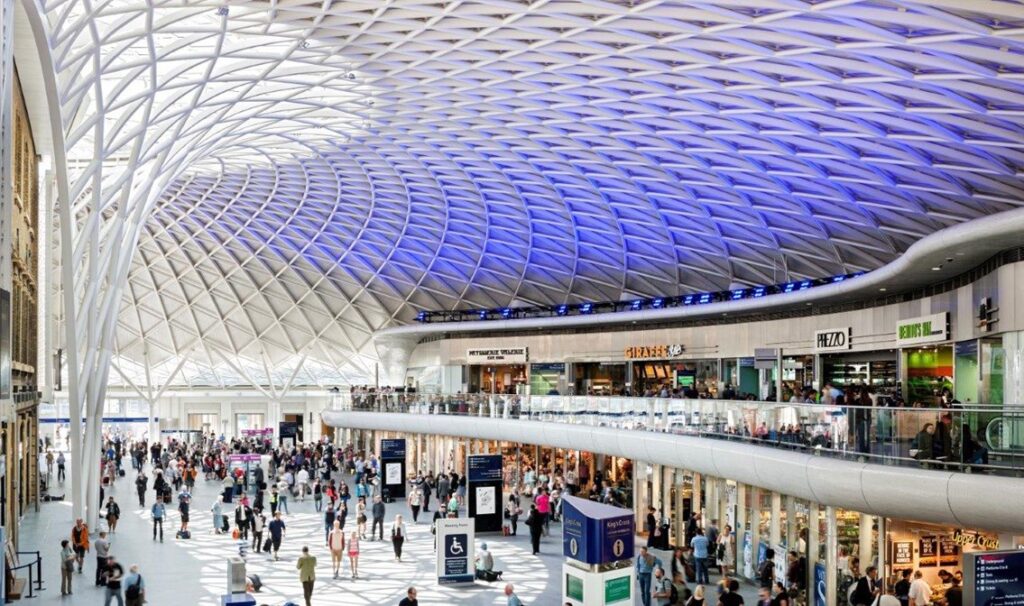
The redevelopment of King’s Cross transformed a historic industrial district into a modern mixed-use hub. It now features offices, residential buildings, cultural venues, and open public spaces. The presence of Google’s new headquarters adds a strong business dimension.
What makes this project notable is its emphasis on preserving heritage while introducing new uses. It is a prime example of adaptive reuse in mixed-use planning, balancing history with modernity.
4. The Battery, Atlanta
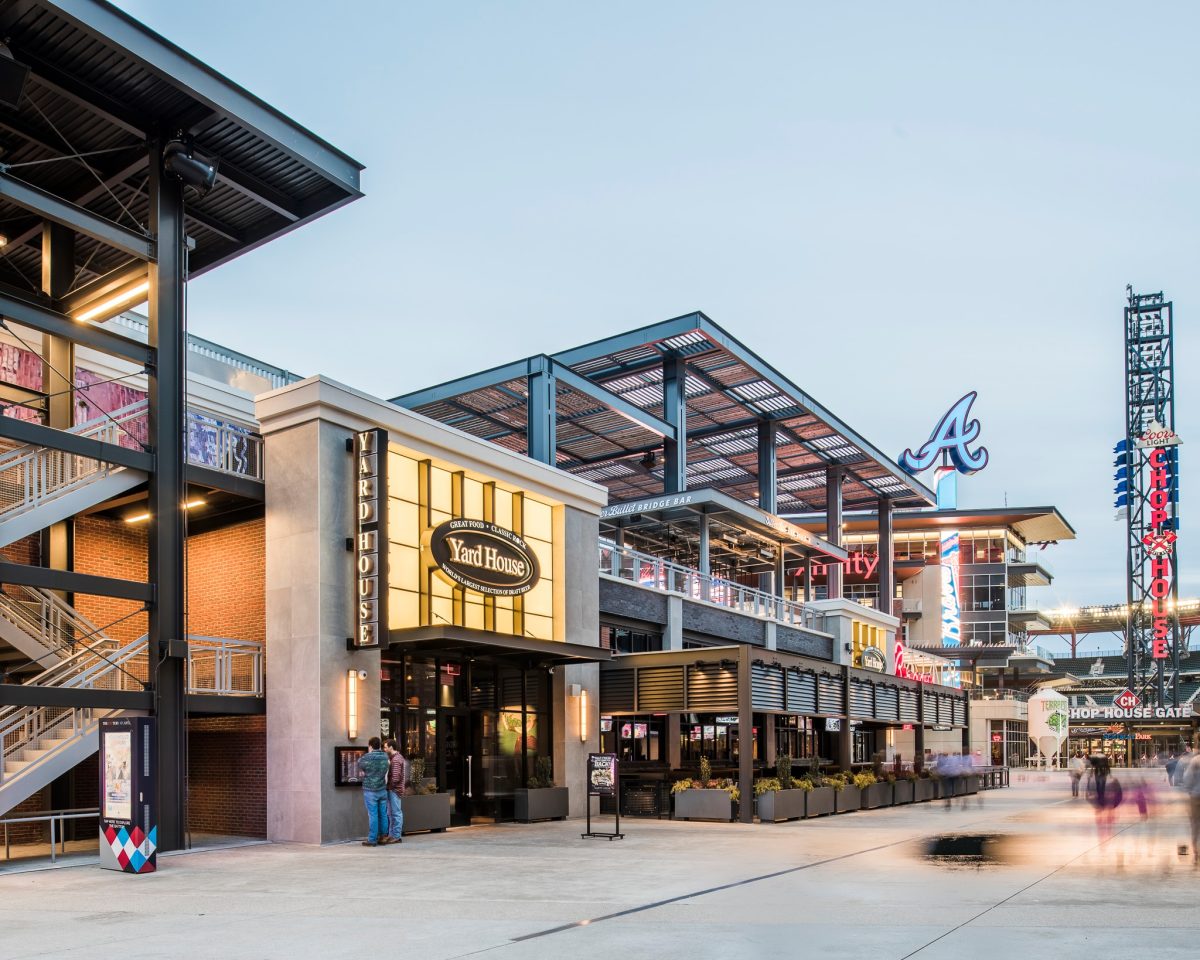
The Battery Atlanta is a mixed-use development surrounding Truist Park, home of the Atlanta Braves. It combines sports, entertainment, dining, retail, and residential living in one integrated area.
This example illustrates how mixed-use developments can leverage sports and entertainment to create vibrant communities that attract both locals and visitors. It shows how lifestyle-driven developments thrive when different functions are seamlessly connected.
Benefits of Mixed Use Development
Mixed-use development provides several practical advantages, making it a preferred model for modern urban planning.
First, it enhances convenience by reducing the need for long commutes. Residents can live near workspaces, grocery stores, gyms, and entertainment venues. This improves work-life balance and encourages healthier lifestyles.
Second, it boosts economic activity. With a concentration of businesses, restaurants, and retail stores, mixed-use areas generate jobs and attract investment. Property values in these communities often appreciate faster due to high demand.
Third, mixed-use development fosters social interaction. Public spaces, parks, and cultural venues bring people together, strengthening community bonds. Unlike isolated suburbs, mixed-use neighborhoods encourage diverse populations to interact daily.
Lastly, it supports sustainability. By encouraging walking, biking, and public transportation, these developments help reduce traffic congestion and carbon emissions. Incorporating green building practices further enhances their environmental benefits.
Role of Technology in Mixed Use Development
Technology has significantly improved the efficiency and appeal of mixed-use projects. Smart building systems monitor energy consumption, enhance security, and provide automated controls for lighting, heating, and cooling.
In addition, digital infrastructure enables residents and businesses to stay connected. High-speed internet, smart access systems, and app-based services make urban living more seamless. For example, residents can book shared amenities or access maintenance services through digital platforms.
Virtual reality and 3D modeling are also used during the planning stages. These technologies allow architects and planners to visualize how spaces interact, ensuring better design outcomes before construction even begins.
Use Cases: How Mixed Use Development Solves Urban Challenges
Mixed-use developments solve multiple real-world problems that cities face today.
For instance, urban sprawl and long commutes are reduced by integrating living and working spaces in one area. This reduces traffic congestion and pollution while improving residents’ quality of life.
Another challenge they address is economic stagnation in declining districts. By redeveloping old industrial zones or underutilized spaces, cities can inject new vitality and attract businesses, tourists, and residents.
Additionally, they improve safety and vibrancy. Areas that are active during both day and night tend to be safer and more welcoming than those that are empty after business hours. Mixed use keeps foot traffic steady throughout the day.
Frequently Asked Questions
Q1. What is the main purpose of mixed-use development?
The main purpose is to integrate residential, commercial, and recreational spaces to create vibrant, walkable, and sustainable communities.
Q2. Are mixed-use developments sustainable?
Yes, they promote sustainability by reducing reliance on cars, encouraging efficient land use, and often incorporating eco-friendly building practices.
Q3. What challenges do mixed-use projects face?
Challenges include high development costs, complex planning regulations, and the need to balance diverse interests such as residential comfort and commercial activity.