Urban Property Development Trends, Benefits, and Real-World Examples
Urban property development is the process of designing, planning, and constructing residential, commercial, and mixed-use projects within cities. It plays a critical role in shaping how people live, work, and interact in increasingly dense environments. Unlike suburban or rural property development, urban development focuses on maximizing limited land resources while addressing infrastructure, housing demand, and sustainability challenges.
At its core, urban property development is not just about building physical structures. It’s about creating livable environments that respond to the needs of diverse populations. Developers must consider accessibility, public amenities, green spaces, transportation, and cultural identity while executing projects. This makes urban property development one of the most complex yet rewarding fields in real estate.
Key Elements of Urban Property Development
A successful urban property development project includes multiple components that work together to enhance city life. Residential spaces form the foundation, providing housing for growing populations. These may range from high-rise apartments to affordable housing units designed for inclusivity.
Commercial zones are another important element, offering office spaces, retail outlets, and business hubs that drive economic activity. Cultural and recreational facilities, such as parks, theaters, and museums, are often integrated to enrich community life. Finally, connectivity is vital-urban projects thrive when they are linked to efficient public transportation and smart infrastructure.
Sustainability has become a defining element in modern urban property development. Incorporating energy-efficient designs, renewable energy, and green building certifications ensures projects meet environmental goals while remaining attractive to future generations.
Real-World Examples of Urban Property Development
1. Hudson Yards, New York City
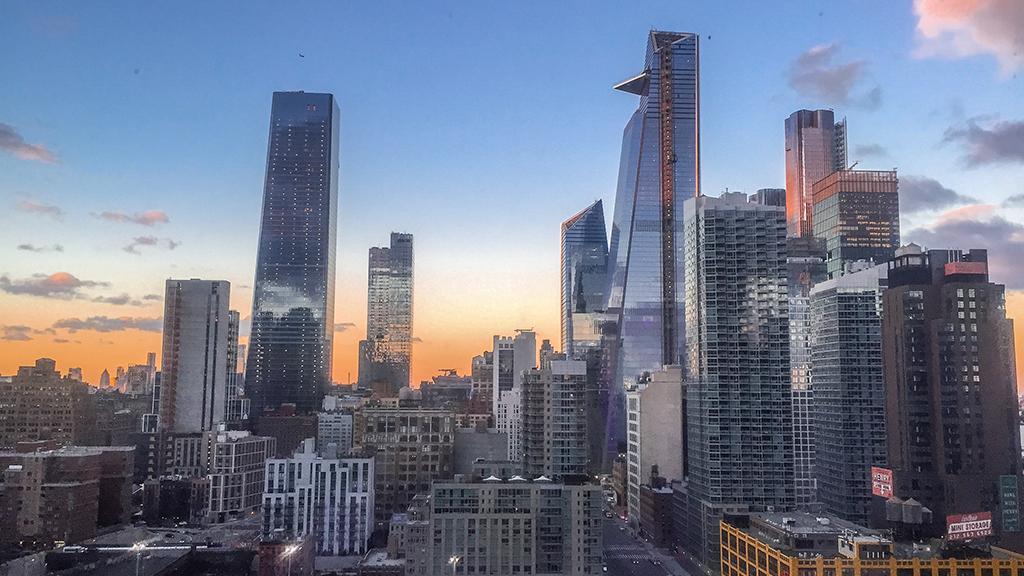
Hudson Yards is one of the most ambitious urban property development projects in the United States. Built on Manhattan’s West Side, this development includes luxury residences, office spaces, retail complexes, cultural centers, and green parks. It is a city within a city, designed to meet the demands of modern urban living.
Its relevance lies in its ability to transform underutilized land into a thriving urban hub. Hudson Yards demonstrates how property development can integrate residential, commercial, and cultural needs seamlessly while boosting the economy of an entire district.
2. Canary Wharf, London
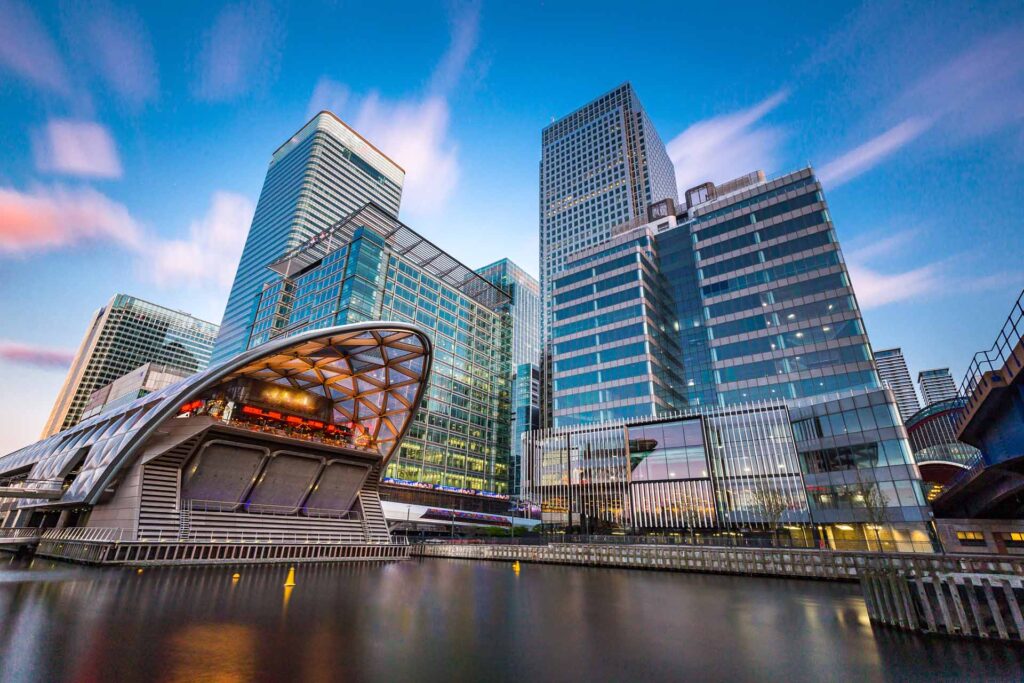
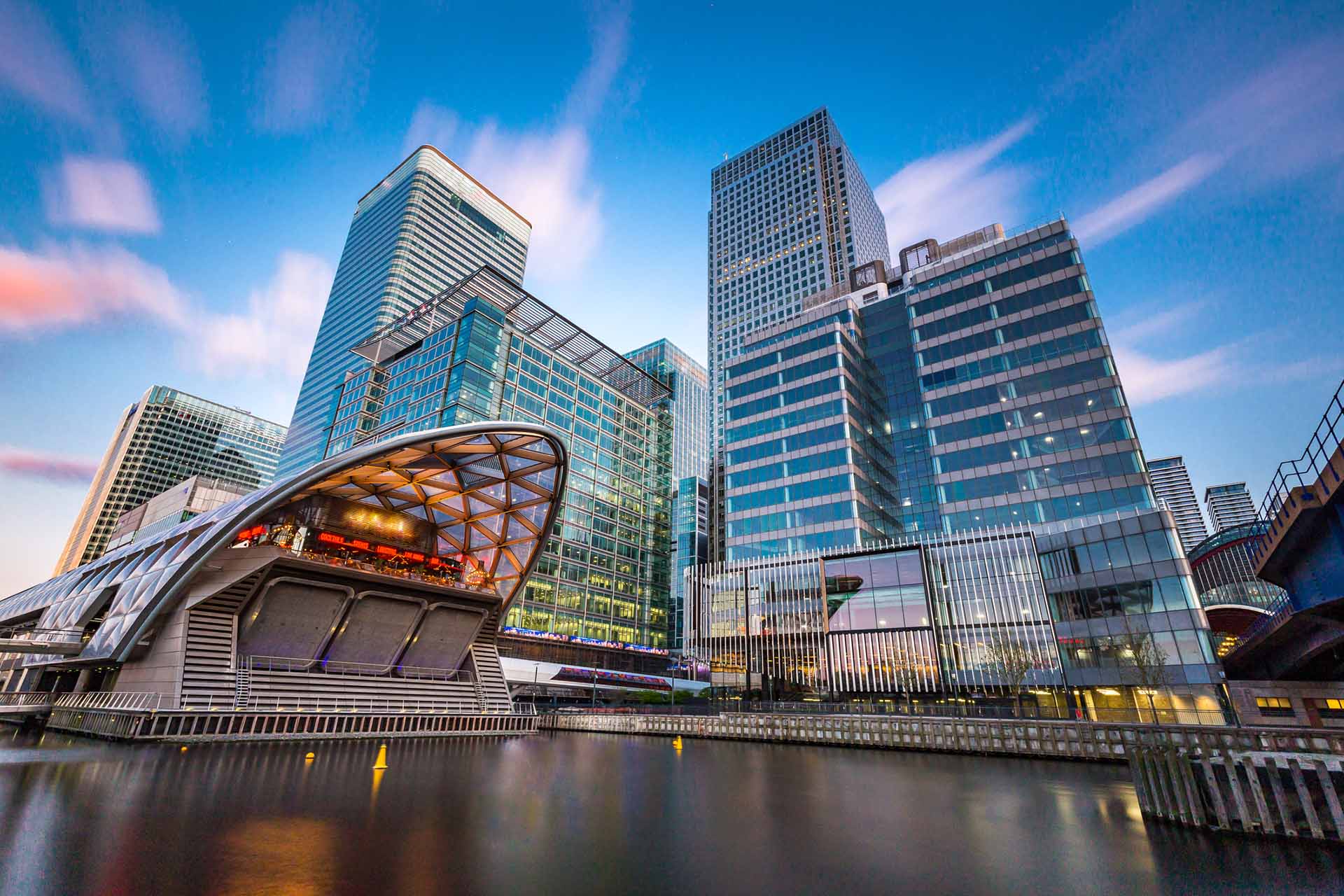
Canary Wharf stands as a model of successful urban redevelopment. Once a declining dockland area, it has been transformed into one of London’s most prominent financial districts. The development includes skyscrapers, luxury residences, retail centers, and cultural venues.
This project shows the power of urban property development to revitalize neglected areas. By bringing businesses, housing, and leisure facilities together, Canary Wharf has become a global example of urban regeneration and economic growth.
3. Marina Bay Sands, Singapore
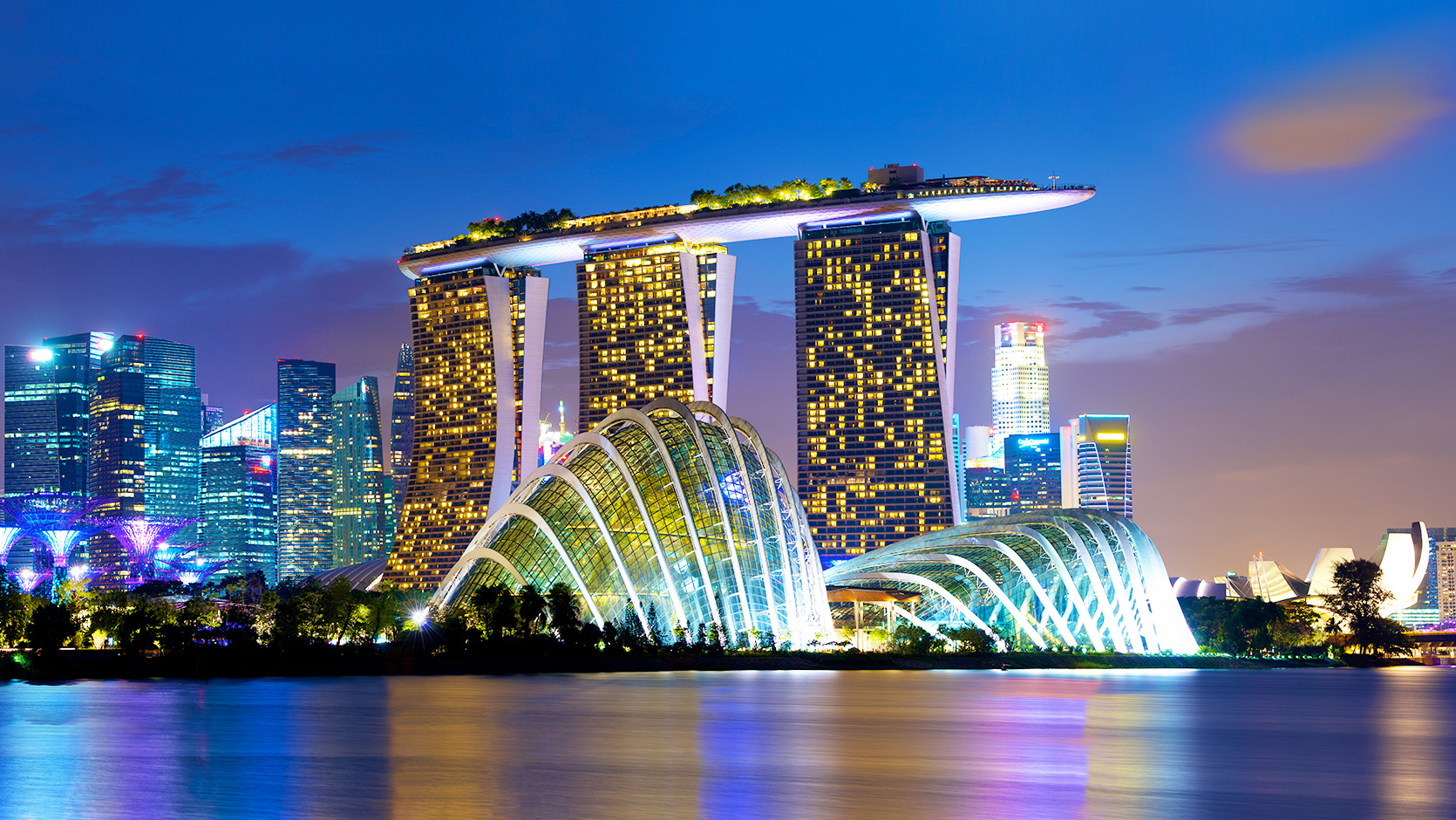
Marina Bay Sands is more than a hotel; it is an integrated property development project that combines hospitality, retail, entertainment, and convention spaces. Its striking architecture and iconic rooftop infinity pool have made it a landmark of Singapore’s urban skyline.
The significance of Marina Bay Sands is its multi-functional nature. It provides economic value through tourism and business while showcasing how urban development can enhance a city’s global identity.
4. The Barangaroo Project, Sydney
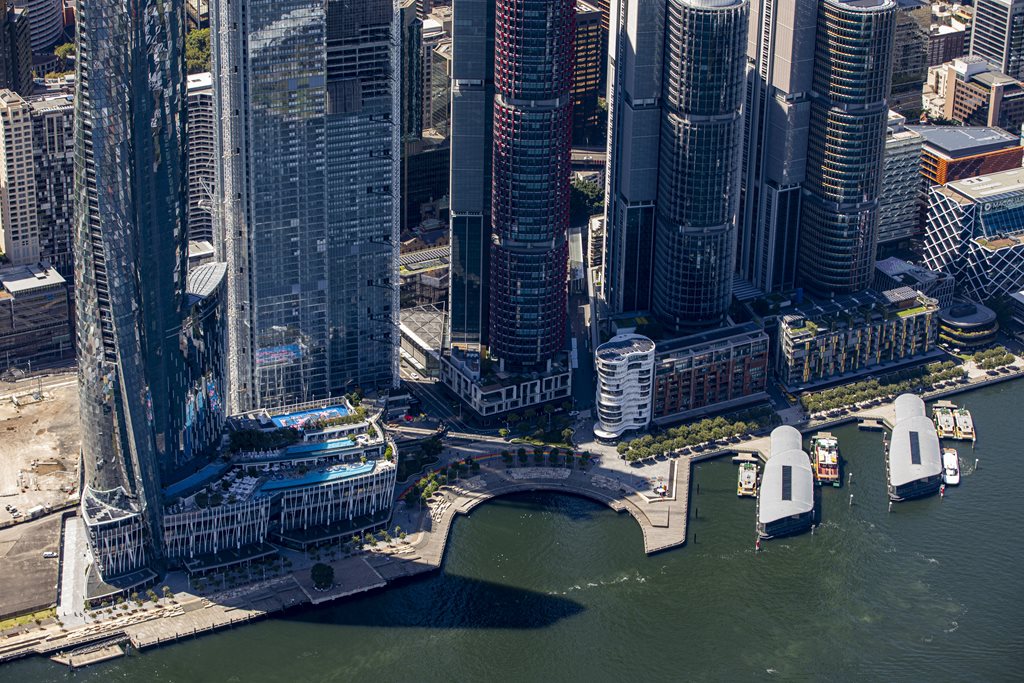
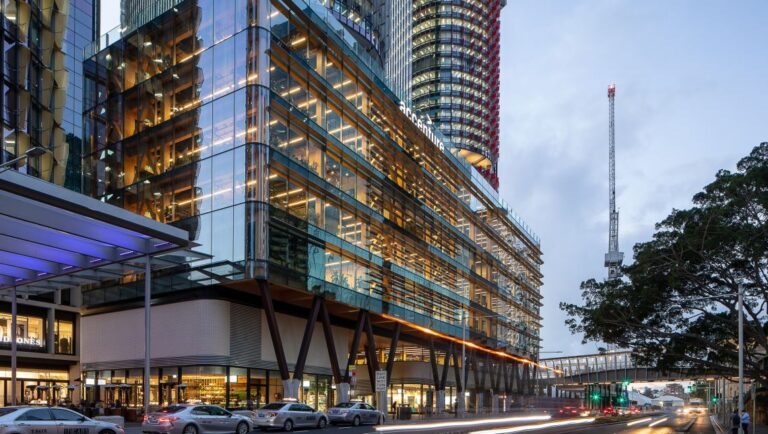
Barangaroo is one of Australia’s largest urban redevelopment projects. Located on Sydney Harbour, it integrates office towers, residential apartments, parks, and cultural facilities. With a strong focus on sustainability, Barangaroo aims to be one of the most environmentally friendly developments in the world.
This project highlights how modern urban property development can prioritize green infrastructure while delivering vibrant commercial and residential spaces. Its approach has set new benchmarks for eco-conscious urban planning.
Benefits of Urban Property Development
Urban property development offers significant advantages for cities, residents, and businesses. One of the main benefits is improved housing availability. With rising urban populations, property development ensures there is enough residential space to accommodate diverse income groups and lifestyles.
Another advantage is economic stimulation. New developments create jobs during construction and generate long-term employment in offices, retail outlets, and cultural venues. Cities with robust property development projects also attract international investment, strengthening their financial ecosystems.
Additionally, urban property development improves quality of life. Integrated designs that include parks, cultural spaces, and public transport reduce commuting times, encourage social interactions, and foster healthier lifestyles. By prioritizing community needs, these projects enhance urban livability and long-term sustainability.
The Role of Technology in Urban Property Development
Technology has become a vital driver in the success of modern property development. Smart building technologies allow developers to create energy-efficient and environmentally friendly projects. Automated lighting, temperature control, and water management systems reduce operational costs while minimizing ecological impact.
Digital tools also transform the design and planning process. Virtual reality and 3D modeling help architects and stakeholders visualize projects before construction, ensuring efficient use of space and better design outcomes. Geographic Information Systems (GIS) aid in analyzing urban layouts, enabling developers to make informed decisions about site selection and infrastructure integration.
Furthermore, the rise of proptech (property technology) solutions has streamlined project management and tenant services. From app-based maintenance requests to smart security systems, technology enhances convenience, safety, and overall resident satisfaction.
Use Cases: How Urban Property Development Solves Real-World Problems
Urban property development directly addresses pressing challenges faced by cities worldwide. Housing shortages are one of the most significant issues in growing urban areas. By developing high-density residential projects, cities can accommodate rising populations without expanding into rural land.
Another problem is urban decay in neglected districts. Through redevelopment initiatives, old industrial areas or abandoned zones can be revitalized into thriving communities, boosting local economies and reducing crime rates.
Traffic congestion is also reduced when mixed-use and well-planned developments prioritize walkability and access to public transport. By integrating workplaces, housing, and retail in one area, residents no longer rely solely on cars, improving environmental sustainability.
Finally, urban property development plays a key role in disaster resilience and climate adaptation. Projects designed with green infrastructure, flood defenses, and renewable energy sources can help cities withstand environmental challenges while maintaining long-term livability.
Frequently Asked Questions
Q1. What is urban property development?
Urban property development is the process of planning, designing, and constructing residential, commercial, and mixed-use spaces within cities to meet population growth, economic, and sustainability needs.
Q2. Why is urban property development important?
It is important because it addresses housing demand, boosts economic growth, revitalizes neglected areas, and improves overall urban quality of life through thoughtful planning and infrastructure integration.
Q3. What are the biggest challenges in urban property development?
Challenges include high construction costs, complex regulatory approvals, land scarcity, and balancing sustainability goals with economic feasibility. Developers must navigate these factors to deliver successful projects.