Smart Homes Projects Complete Guide to Benefits, Use Cases, and Real-World Examples
Smart Homes Projects are transforming the way people live by integrating technology into everyday living spaces. From lighting and heating automation to advanced security and energy management, these projects create convenient, efficient, and secure environments. Understanding smart home projects requires exploring how the technology works, the benefits it offers, and the ways it’s already changing real households across the world.
Understanding Smart Homes Projects
Smart home projects refer to planned integrations of technology that make residential properties more intelligent and automated. These projects may include individual solutions, such as installing a smart thermostat, or comprehensive setups that integrate multiple systems like lighting, appliances, security, and entertainment under a single network.
Unlike traditional homes, smart homes rely on connected devices powered by Wi-Fi, Bluetooth, or specialized protocols like Zigbee and Z-Wave. These systems are controlled through smartphones, voice assistants, or centralized hubs, allowing homeowners to manage their properties more efficiently.
Developers, architects, and homeowners are increasingly incorporating smart home objects into construction plans. This shift isn’t just about luxury—it’s about improving everyday living by making homes more adaptive, energy-efficient, and secure.
Key Technologies Behind Smart Homes Projects
Smart home objects integrate a wide range of technologies, often working together seamlessly. These include:
-
Smart Lighting Systems – Automated lights that can be scheduled, dimmed, or activated by motion sensors.
-
Smart Security Solutions – Cameras, motion detectors, and alarms that offer real-time alerts and remote monitoring.
-
Energy Management Systems – Devices like smart thermostats and energy meters that reduce energy waste.
-
Voice Assistants and Hubs – Alexa, Google Home, and Apple HomeKit serve as command centers.
-
Connected Appliances – Refrigerators, washing machines, and ovens that can be controlled remotely or via automation.
These technologies form the backbone of smart home devices, enabling customized and intelligent living spaces.
Benefits of Smart Homes Projects
Smart home devices bring a variety of practical benefits that go beyond convenience.
Enhanced Energy Efficiency
Energy management is one of the most important advantages of smart homes. Devices like smart thermostats and automated lighting systems help reduce energy waste by learning homeowner behaviors and adjusting settings accordingly. For instance, lights can automatically turn off when no one is in the room, and thermostats can optimize heating or cooling schedules.
Improved Home Security
Smart homes are equipped with connected cameras, motion sensors, and locks that offer real-time alerts and remote access. Homeowners can monitor their property even when away, providing peace of mind and faster responses to potential intrusions.
Greater Convenience and Comfort
Automation makes life easier by removing repetitive tasks. With voice assistants, you can dim lights, play music, or lock the doors without lifting a finger. Scheduling features also allow personalized experiences, such as having coffee ready when you wake up.
Long-Term Cost Savings
Though initial investments can be higher, smart home products often reduce long-term costs by saving energy and avoiding unnecessary repairs. For example, smart water leak detectors can prevent costly damage by sending alerts when leaks occur.
Real-World Examples of Smart Homes Projects
To understand the impact of smart home projects, it’s helpful to look at real-world solutions already available today.
1. Nest Learning Thermostat
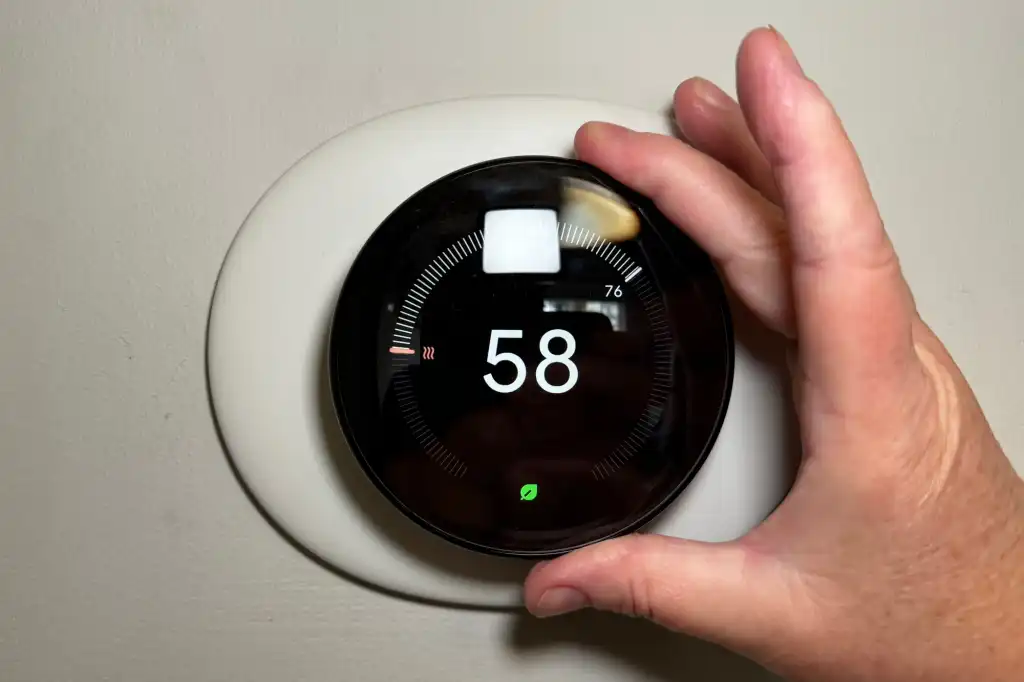
The Nest Learning Thermostat is a prime example of how smart technology improves energy efficiency. It learns the user’s schedule and preferences, automatically adjusting the temperature to save energy while maintaining comfort. Many homeowners report significant savings on heating and cooling bills after installation. The thermostat also integrates with other smart home systems, creating a cohesive automation ecosystem.
2. Philips Hue Smart Lighting System
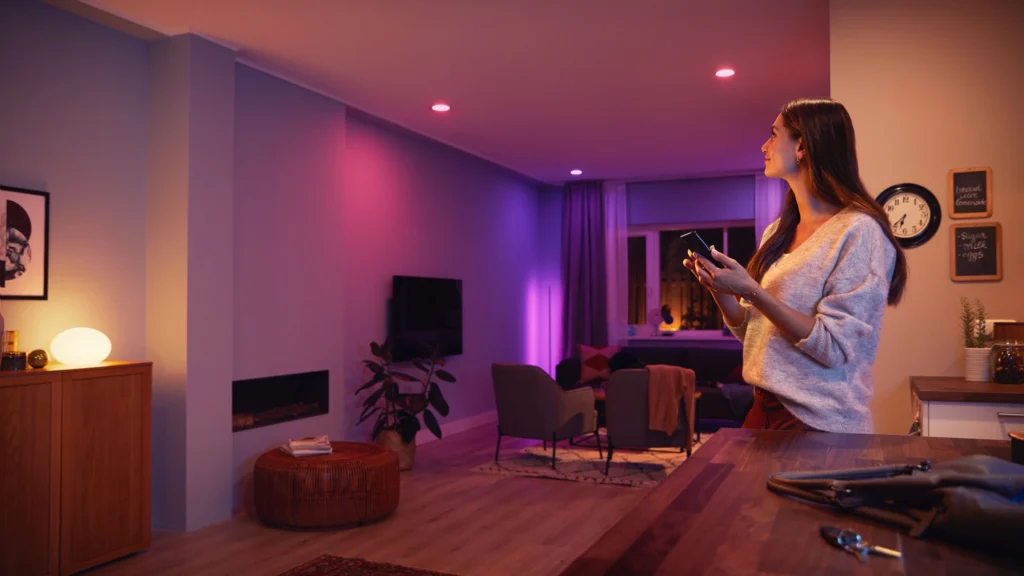
Philips Hue has become one of the most popular choices for smart lighting projects. With customizable color options, scheduling, and app or voice control, it allows homeowners to personalize the ambiance while cutting down on unnecessary electricity use. The system also supports geofencing, meaning lights can turn on or off depending on your location, enhancing both convenience and security.
3. Ring Video Doorbell
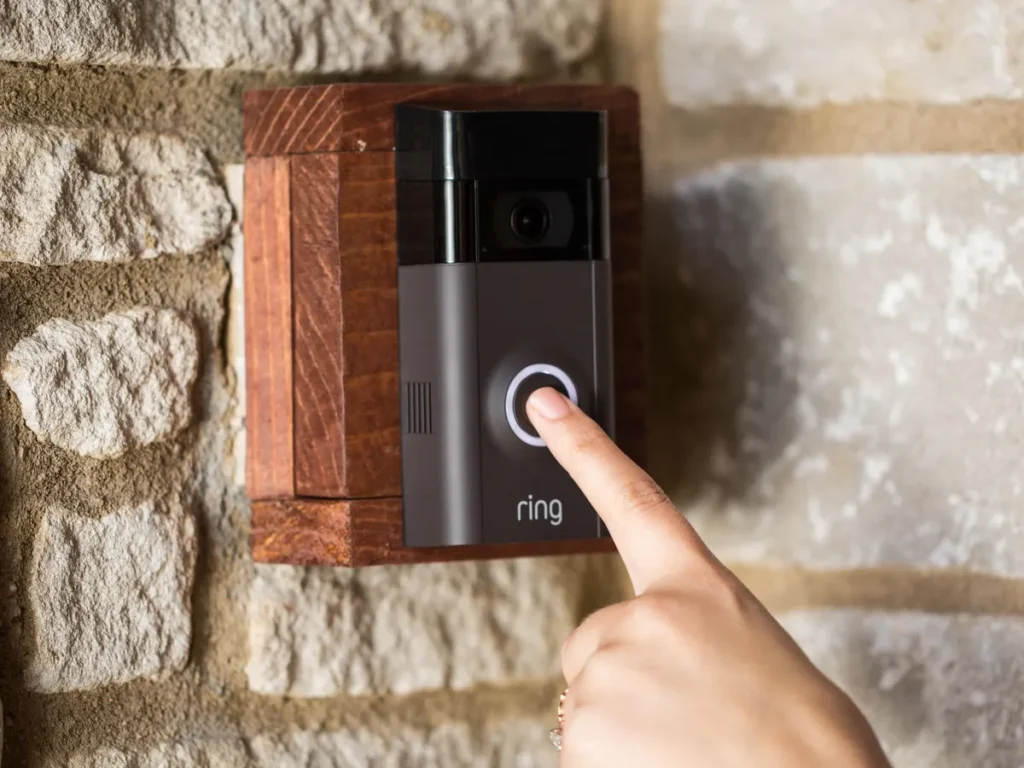
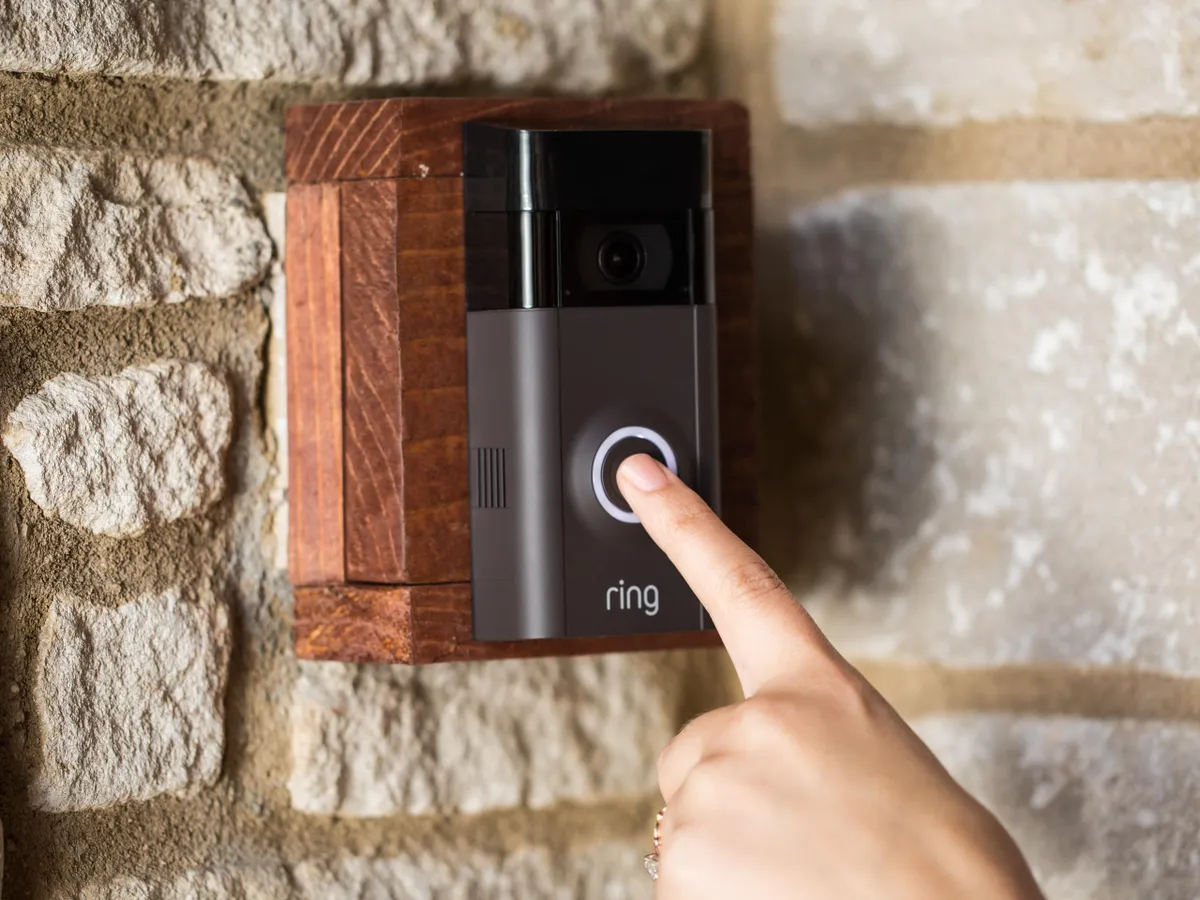
The Ring Video Doorbell demonstrates how smart home security projects improve safety. It provides real-time video and audio so homeowners can see and speak with visitors remotely. With motion detection and cloud storage, it records suspicious activities and integrates with broader smart security systems. This solution has become a standard in modern home safety.
4. Samsung SmartThings Hub
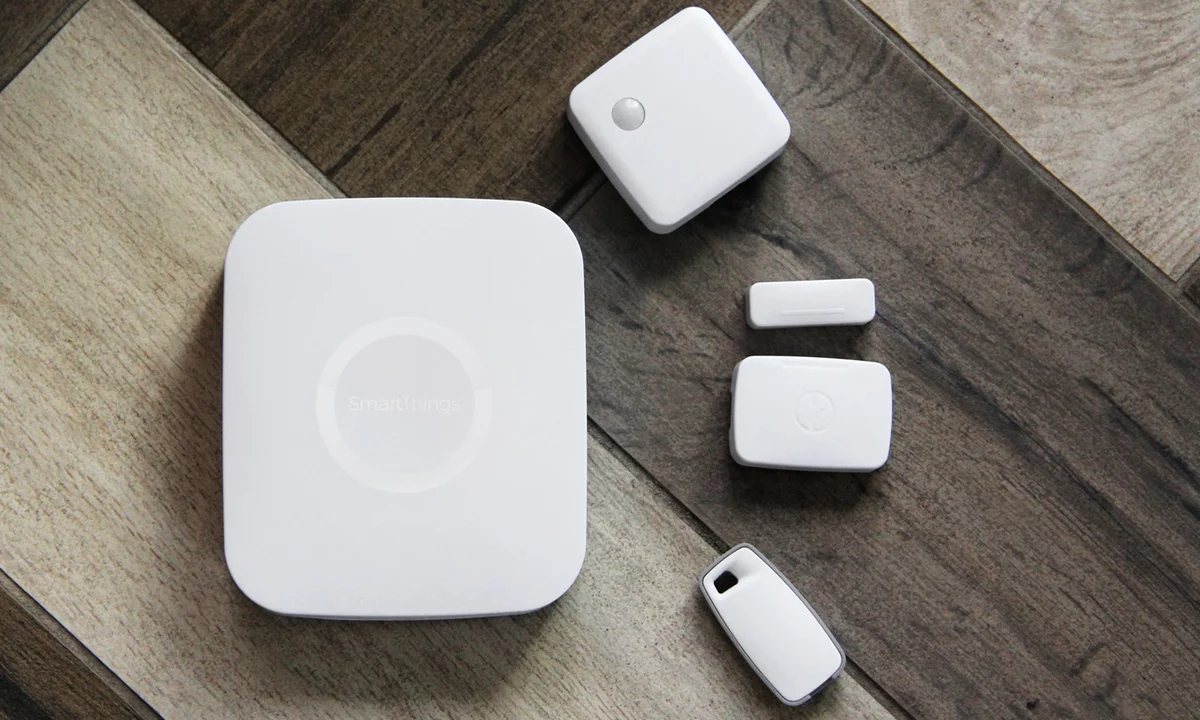
Samsung’s SmartThings Hub acts as the control center for various smart devices. It allows integration of sensors, lights, thermostats, and appliances into a single platform, making it one of the most comprehensive smart home project tools. This level of integration simplifies management, allowing homeowners to create automation routines for nearly every aspect of their home.
Practical Use Cases of Smart Homes Projects
Energy Management in Urban Homes
Urban households often struggle with high utility bills. Smart home projects like installing energy monitors and thermostats help cut down monthly expenses by providing insights into usage and automatically reducing waste. This is especially useful for apartments where energy management is a priority.
Security for Families
Families with young children or elderly members benefit greatly from smart security systems. Real-time video monitoring, automated locks, and motion sensors provide peace of mind. Parents can check in on their kids arriving home from school, while elderly relatives are safer with fall detection systems and emergency alerts.
Comfort for Remote Work Environments
With more people working from home, smart home projects play a major role in creating productive environments. Automated lighting systems can adjust brightness for work hours, while smart speakers and devices streamline routines. Home offices become more comfortable and efficient with the right automation setup.
Sustainability in Eco-Friendly Living
For eco-conscious homeowners, smart home projects align with sustainability goals. Automated irrigation systems, energy-saving appliances, and solar-powered integrations reduce environmental impact. These projects combine comfort with responsible energy use.
Challenges and Considerations in Smart Homes Projects
While the advantages are compelling, smart home projects also come with considerations. Security and privacy are critical, as connected devices can be vulnerable to hacking if not properly secured. Compatibility between devices is another concern-some systems may not integrate seamlessly, requiring careful planning.
Additionally, the upfront cost of installing multiple smart devices can be a barrier for some households. However, with long-term savings and growing affordability, more people are adopting smart home technology each year.
Frequently Asked Questions
Q1. What are smart hohomerojects?
Smart home projects involve integrating technologies like smart lighting, thermostats, security systems, and appliances into homes. These projects create automated, efficient, and secure living environments.
Q2. Are smart homes expensive to set up?
Initial setup can be costly, especially for large-scale projects, but many devices like smart bulbs or thermostats are affordable. Long-term savings on energy and maintenance often outweigh the upfront investment.
Q3. Do smart homes require constant internet access?
Most smart home projects rely on internet connectivity for full functionality. However, some devices continue to work locally, with limited features, even without internet access.