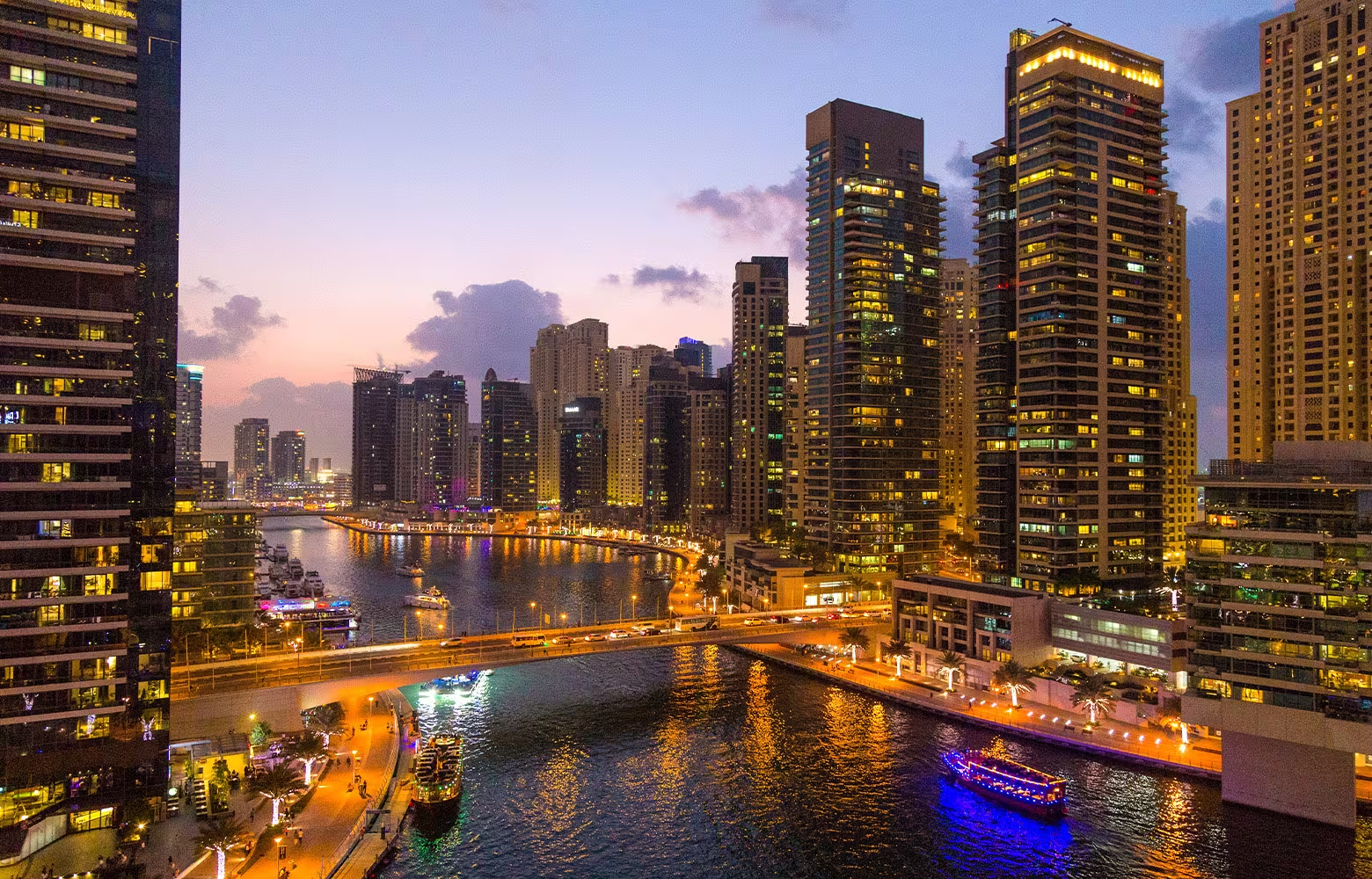
Real Estate Investment Projects Benefits, Examples, and Practical Insights
Real estate investment projects have become one of the most dynamic opportunities in today’s global economy. These projects range from residential developments and commercial complexes to mixed-use spaces that combine retail, office, and living areas. For investors, developers, and even end-users, real estate investment projects represent a pathway to financial growth, community development, and long-term sustainability.
As demand for urbanization, modern housing, and commercial infrastructure increases, understanding how real estate investment projects work and what benefits they bring is crucial. This article explores the fundamentals of such projects, the advantages they provide, and several real-world examples that highlight their significance.
Understanding Real Estate Investment Projects
Real estate investment projects involve the development, acquisition, or management of property to generate returns. These returns can be in the form of rental income, capital appreciation, or a combination of both. Unlike individual property purchases, investment projects often involve large-scale developments funded by investors, companies, or consortia.
They typically encompass different categories:
-
Residential Projects – Apartments, condominiums, and housing estates.
-
Commercial Projects – Office towers, business parks, and retail spaces.
-
Mixed-Use Projects – Developments combining residential, office, and retail.
-
Industrial Projects – Warehousing, logistics hubs, and manufacturing parks.
These projects are vital to shaping cities, driving economic activity, and providing spaces for people to live, work, and thrive.
Benefits of Real Estate Investment Projects
Stable and Tangible Assets
Unlike other forms of investment, real estate projects offer tangible assets. Investors gain ownership of physical property that often appreciates over time, providing a sense of security and stability compared to volatile financial markets.
Long-Term Income Potential
Rental income from residential or commercial projects provides a consistent cash flow. Many large-scale real estate projects are structured to deliver reliable returns over long periods, making them attractive to institutional and private investors alike.
Community Development
These projects contribute to urban growth by providing modern housing, infrastructure, and commercial spaces. Real estate investment projects not only benefit investors but also enhance communities by improving living standards and creating jobs.
Integration of Smart Technology
Today’s projects often incorporate technology for efficiency and sustainability. From smart building management systems to energy-saving features, technology integration enhances both property value and user experience.
Real-World Examples of Real Estate Investment Projects
1. Hudson Yards – New York, USA
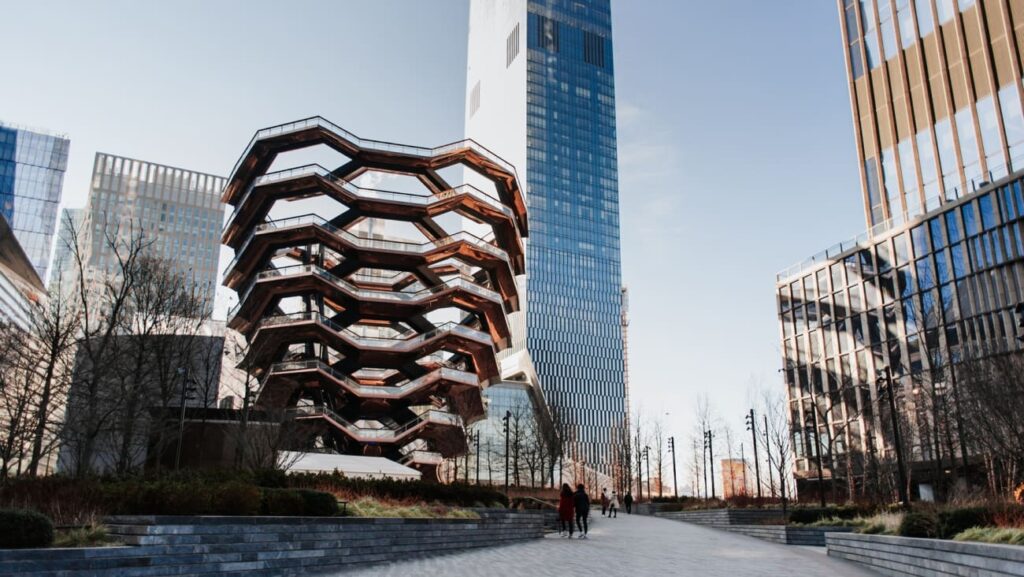
Hudson Yards is one of the largest private real estate investment projects in the United States. Located in Manhattan, it integrates residential towers, office buildings, retail centers, and cultural venues. This project showcases how large-scale developments can transform entire city districts, creating both financial opportunities for investors and lifestyle benefits for residents. The project also incorporates smart technologies such as energy-efficient systems and advanced security.
2. Canary Wharf – London, UK
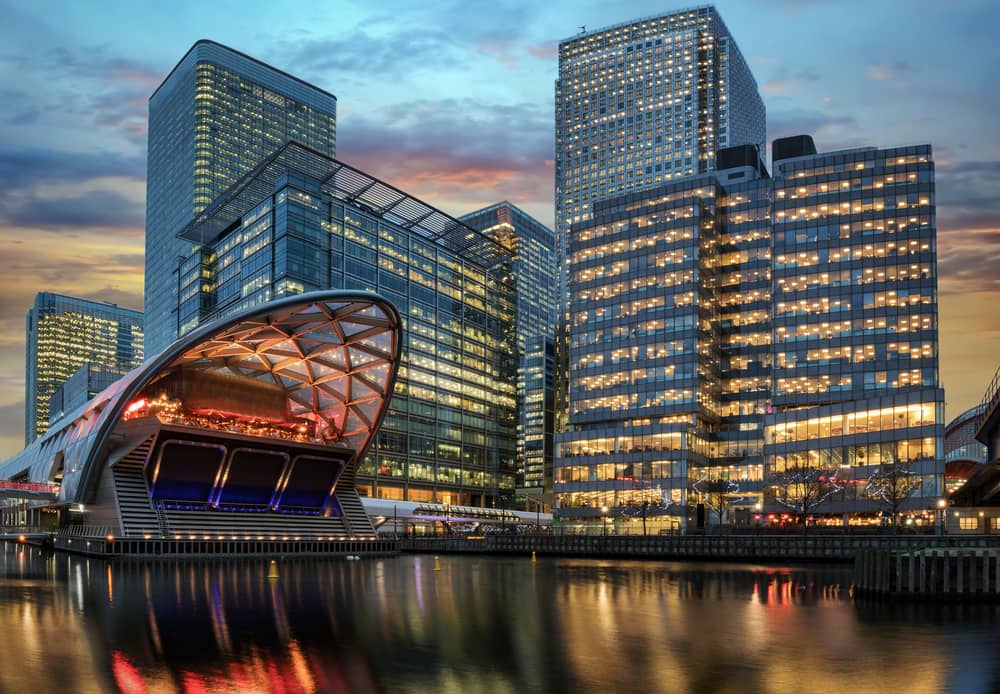
Canary Wharf is an iconic example of a commercial and mixed-use real estate investment project. What was once an underutilized dockland has been transformed into one of London’s premier financial districts. With high-rise office towers, shopping malls, and residential properties, Canary Wharf demonstrates the value of long-term investment vision and urban regeneration. It stands as proof that strategic development projects can redefine city economies.
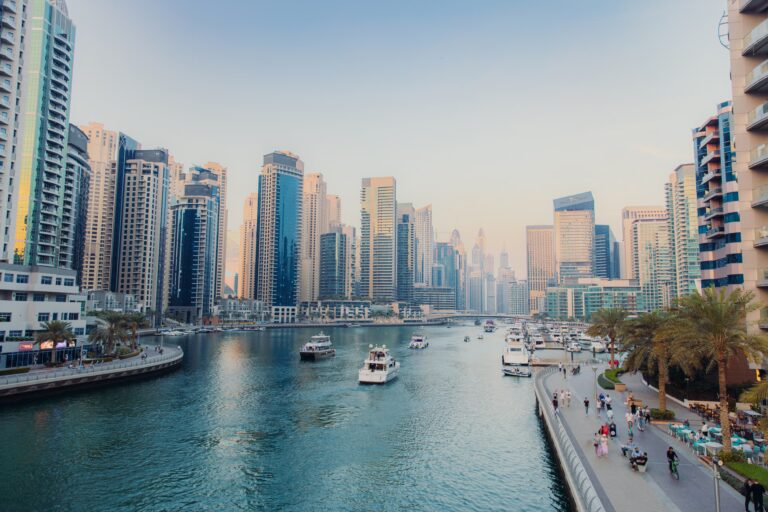
3. Dubai Marina – Dubai, UAE
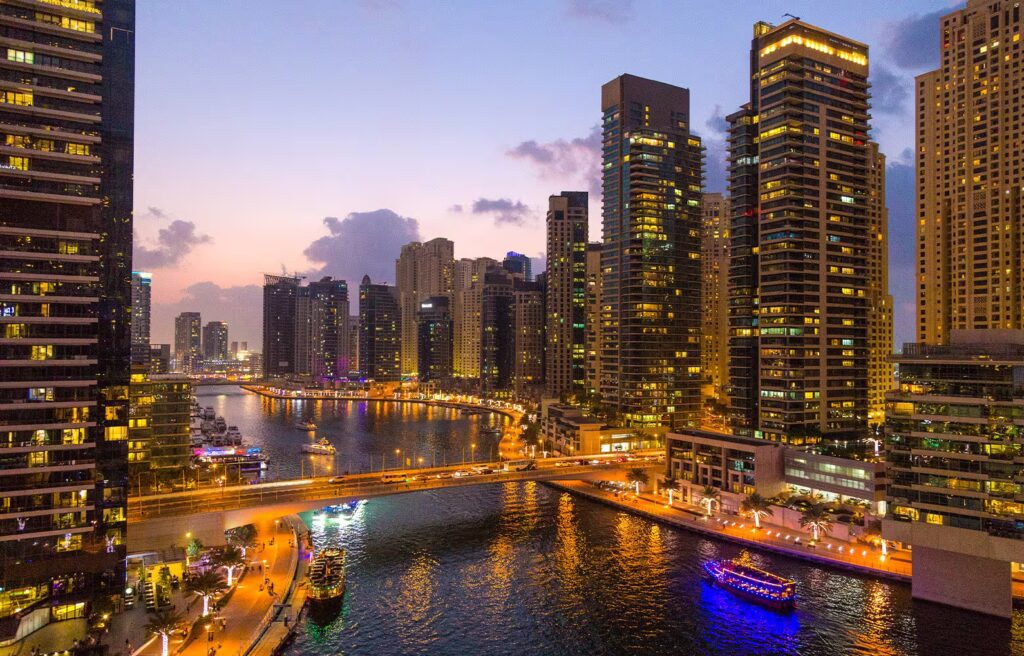
Dubai Marina is a prime real estate investment project that blends residential living with tourism and commercial spaces. The development includes luxury apartments, hotels, retail centers, and waterfront attractions. Beyond its architectural appeal, the project integrates sustainability measures, including energy-efficient lighting and smart infrastructure, making it attractive for global investors and residents seeking modern living.
4. Songdo International Business District – South Korea
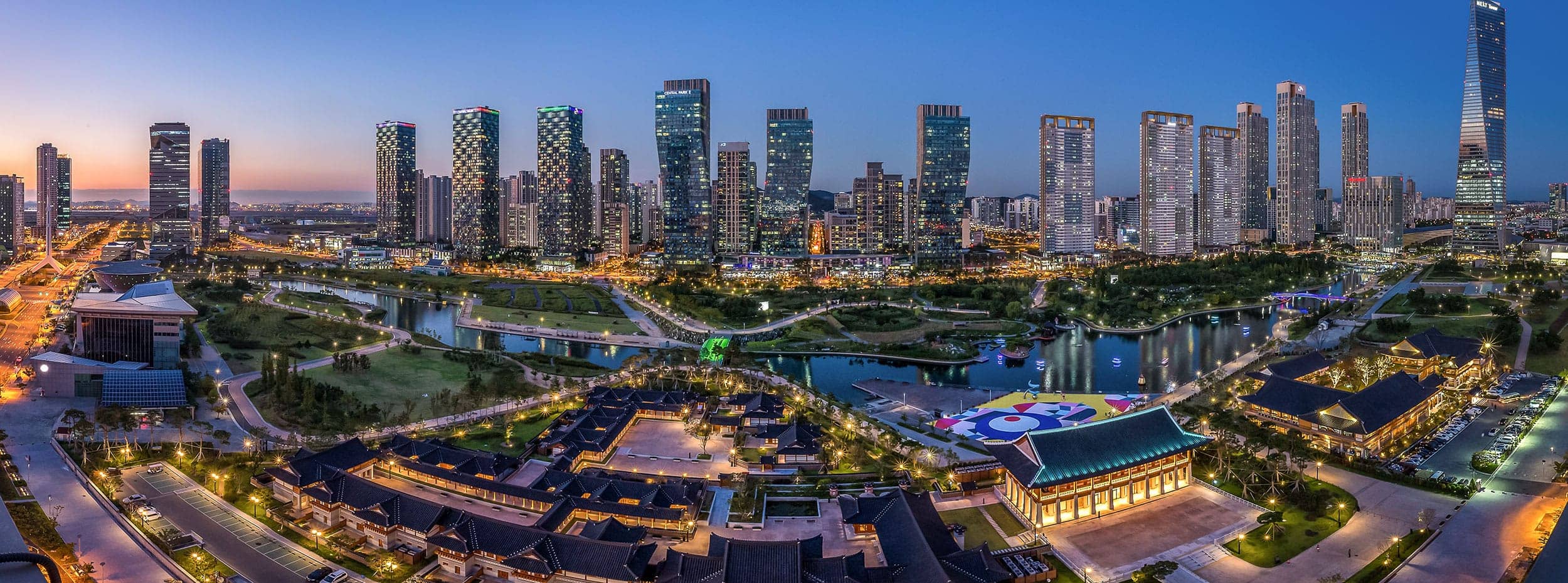
Songdo is a futuristic smart city project built from the ground up. It combines residential complexes, office buildings, schools, and green spaces in a highly integrated ecosystem. The entire district is connected through advanced IoT systems for traffic management, energy monitoring, and waste reduction. As one of the most technologically advanced real estate investment projects, Songdo illustrates how technology and sustainability can work together to shape the future of cities.
Technology in Real Estate Investment Projects
Modern real estate investment projects are defined by their integration of technology, which adds value and ensures sustainability.
Smart Building Management
Building management systems use sensors and automation to control lighting, heating, cooling, and security. This reduces costs, improves efficiency, and enhances the experience for residents and tenants.
Energy Efficiency and Sustainability
Solar panels, energy-efficient insulation, and green certifications are now standard features in many projects. These not only reduce environmental impact but also attract eco-conscious investors and tenants.
Digital Connectivity
IoT-enabled devices, high-speed internet infrastructure, and app-based controls make living and working in new complexes more convenient. Residents can control lighting or heating from smartphones, while businesses enjoy advanced digital services.
Data-Driven Decision Making
Developers use data analytics to design and manage properties effectively. From predicting tenant needs to optimizing rental yields, technology-driven insights maximize investment returns.
Practical Use Cases of Real Estate Investment Projects
Urban Regeneration
Many projects breathe new life into neglected areas. Developments like Canary Wharf or Hudson Yards demonstrate how investment projects can transform old industrial zones into thriving economic hubs.
Affordable Housing Solutions
Some projects focus on creating affordable housing for growing urban populations. By scaling residential development, these projects address housing shortages while offering investors stable returns.
Sustainable Smart Cities
Projects like Songdo illustrate how sustainability and technology create smarter, greener urban environments. Such investment projects are essential for addressing climate change and rapid urbanization.
Global Investment Opportunities
Real estate investment projects attract international investors seeking diversification. Large projects in global cities provide opportunities for cross-border investment and long-term growth.
Challenges in Real Estate Investment Projects
While offering immense opportunities, they also face challenges.
-
High Capital Requirements – Large-scale projects require significant funding, which can limit access for smaller investors.
-
Regulatory Barriers – Zoning laws, permits, and local regulations often delay projects.
-
Market Volatility – Economic downturns or changing demand can impact returns.
-
Sustainability Concerns – Without proper planning, projects may harm the environment or fail to meet sustainability goals.
Overcoming these challenges requires careful planning, strong financial backing, and a focus on long-term value creation.
Frequently Asked Questions
Q1. What are real estate investment projects?
They are large-scale property developments or acquisitions designed to generate financial returns. These projects can include residential buildings, commercial towers, or mixed-use developments.
Q2. Why are real estate investment projects attractive to investors?
They provide tangible assets, long-term income potential, and capital appreciation. They also enhance community infrastructure, making them beneficial for both investors and residents.
Q3. How does technology benefit real estate investment projects?
Technology improves efficiency, sustainability, and tenant experience. Smart building systems, IoT connectivity, and energy-saving features enhance property value and reduce operational costs.