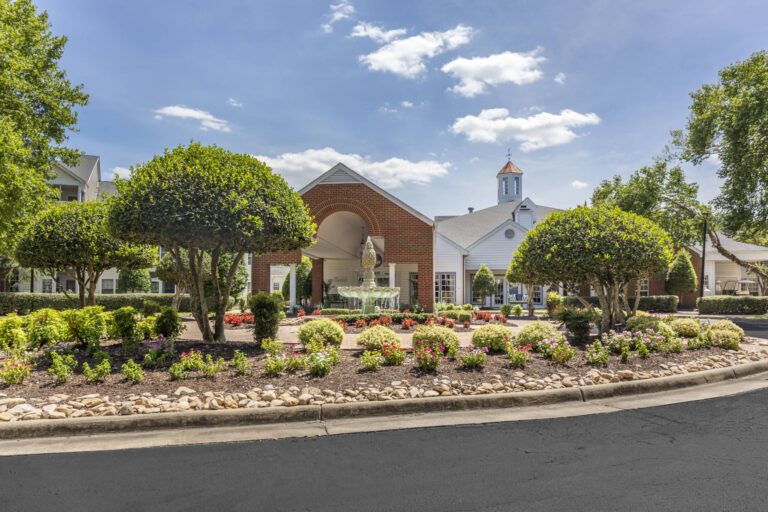
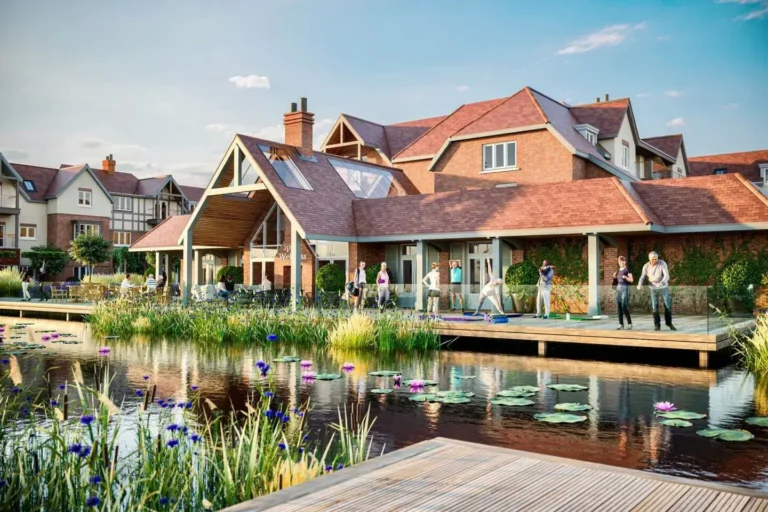
Affordable Retirement Homes A Complete Guide to Comfortable and Budget-Friendly Senior Living
Finding the right retirement home is one of the most important decisions for seniors and their families. For many, the ideal option balances affordability with comfort, safety, and access to essential services. Affordable retirement homes provide seniors with a supportive environment that allows them to live independently while enjoying community, care, and convenience-all without overwhelming financial stress.
This comprehensive guide explores what affordable retirement homes are, their features, benefits, real-world examples, and how they address common challenges faced by retirees today.
Understanding Affordable Retirement Homes
Affordable retirement homes are senior housing communities designed to provide cost-effective living without compromising on essential services or comfort. These residences offer apartments or small homes within communities that may include dining services, housekeeping, recreational facilities, and social programs.
The affordability comes from careful planning, either through smaller housing units, community living arrangements, or partnerships with organizations that provide subsidies or reduced rental rates. While luxury retirement homes focus on upscale amenities, affordable retirement homes prioritize essential services, safety, and a supportive community at lower costs.
Key Features of Affordable Retirement Homes
Affordable retirement homes are designed to ensure seniors can enjoy a comfortable lifestyle at a manageable cost. Common features include:
-
Compact, functional living spaces tailored for accessibility
-
Shared dining rooms with nutritious meals available
-
On-site staff offering assistance when needed
-
Organized activities, fitness classes, and social gatherings
-
Safety features like emergency call systems and secure entry points
-
Transportation services for appointments, shopping, and recreation
These features make affordable retirement homes a practical solution for seniors who want both independence and support.
Real-World Examples of Affordable Retirement Homes
1. Holiday by Atria
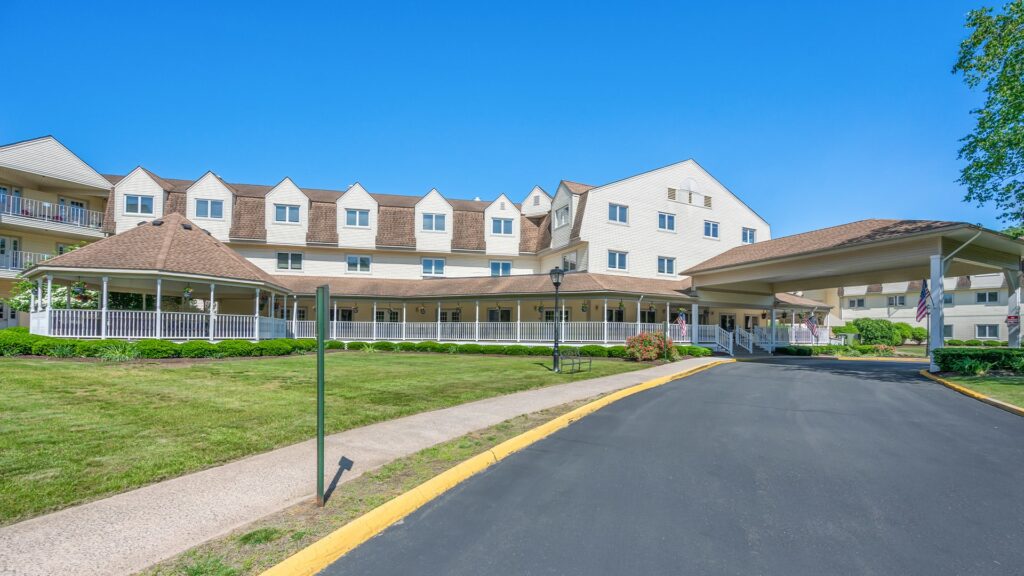
Holiday by Atria provides affordable retirement communities across North America. Their all-inclusive approach bundles rent, meals, housekeeping, and social activities into one predictable cost, making budgeting easier for retirees.
Residents enjoy vibrant communities with opportunities to engage in events, exercise programs, and shared meals. Holiday focuses on simplicity, ensuring that seniors have access to core amenities without unnecessary expenses.
2. National Church Residences
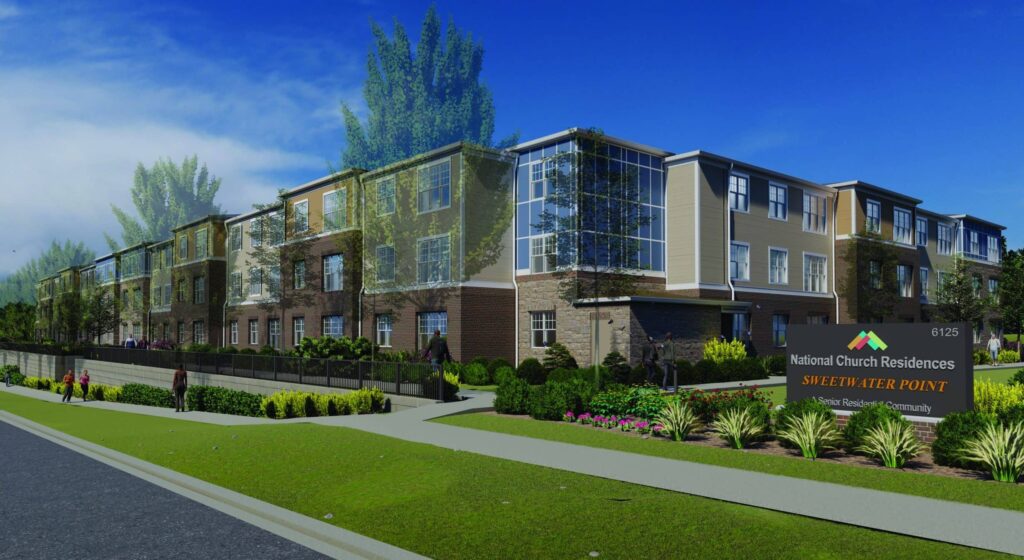
National Church Residences operates affordable retirement homes across the United States, often supported by nonprofit funding. Their communities combine independent living with optional assistance, ensuring flexibility for seniors with varying needs.
This model emphasizes affordability by offering income-based rental programs while still maintaining high-quality housing standards. Their communities also often integrate spiritual support, wellness programs, and strong neighborhood connections.
3. Good Samaritan Society Senior Housing
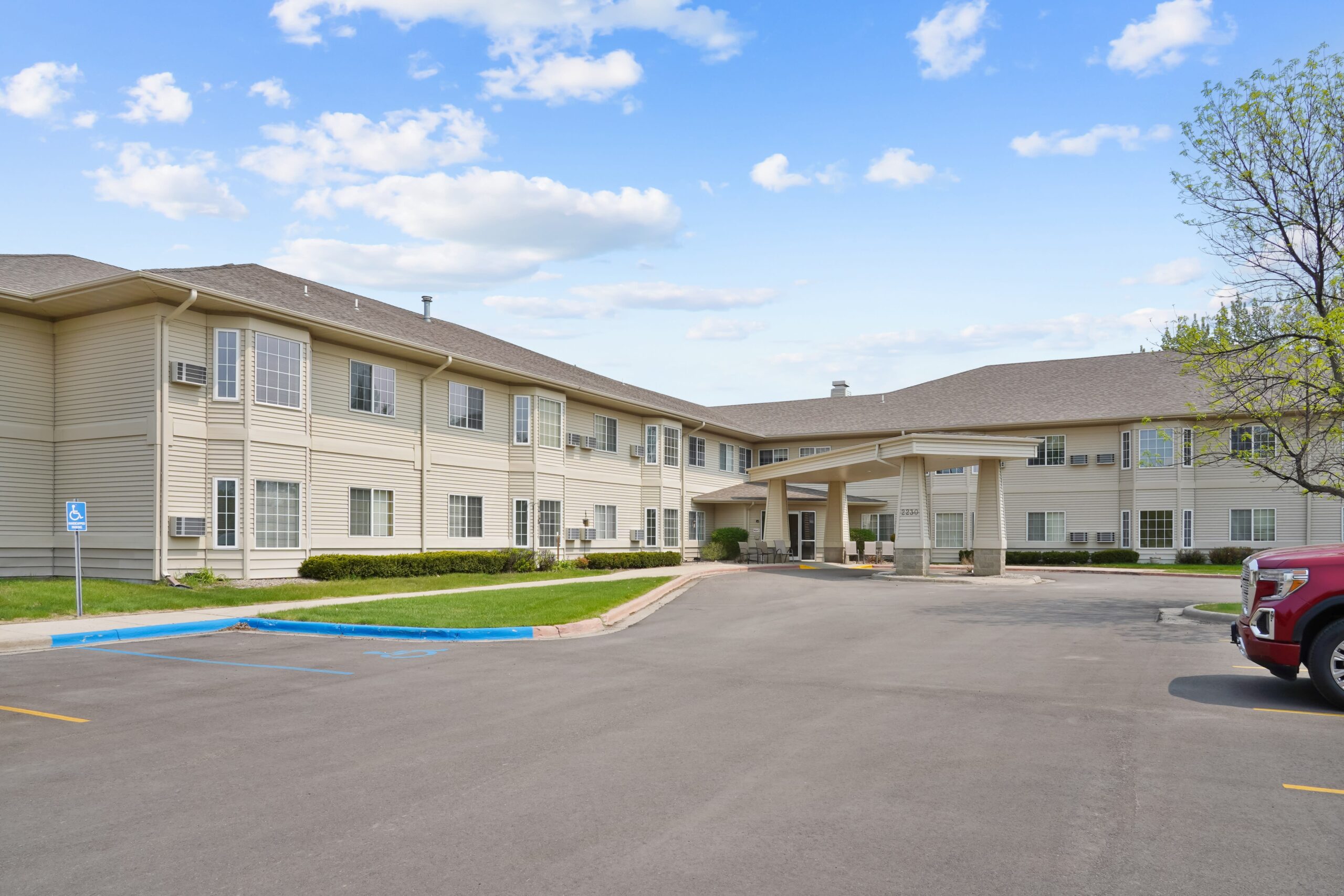
The Good Samaritan Society manages retirement homes that focus on affordability while providing essential care and community life. Their housing options are tailored for seniors with limited income but who desire an engaging and safe living environment.
These communities often feature shared recreational spaces, group activities, and volunteer-driven support systems, which help keep costs lower while maintaining a strong sense of community and companionship.
4. Mercy Housing Senior Living
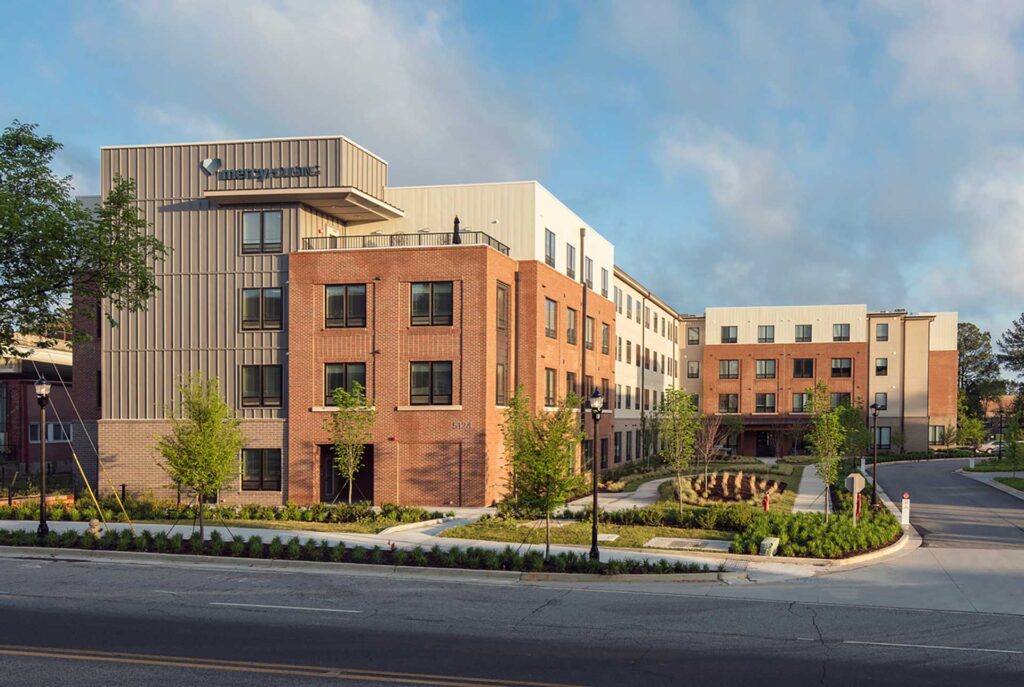
Mercy Housing provides affordable housing for seniors across multiple states, focusing on financial accessibility for older adults with lower incomes. Their retirement homes emphasize independence, safety, and social well-being.
These communities are often located in urban and suburban areas, giving residents access to public resources, healthcare facilities, and transportation options. Mercy Housing’s focus on affordability ensures that even seniors on fixed incomes can enjoy quality housing.
5. Volunteers of America Senior Housing
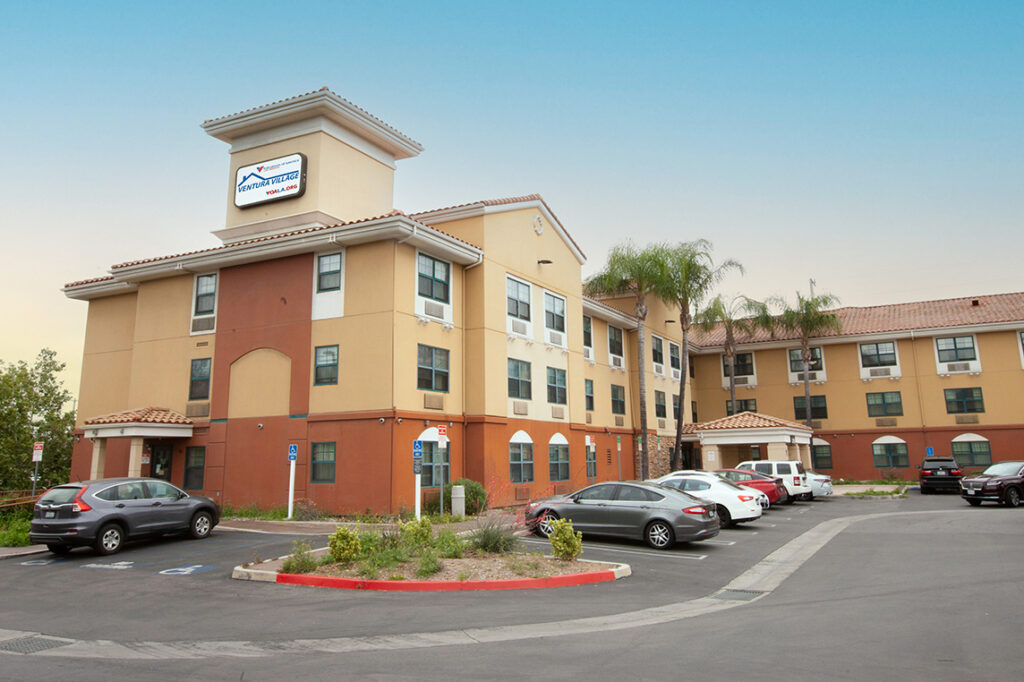
Volunteers of America operates affordable retirement homes that provide safe, welcoming communities for seniors across the country. Their model blends independent living with supportive services while maintaining budget-friendly housing.
They prioritize affordability through nonprofit funding, community partnerships, and efficient housing design. Residents benefit from accessible housing options, organized activities, and staff support, making these homes a popular choice for cost-conscious retirees.
Benefits of Affordable Retirement Homes
Affordable retirement homes offer several important benefits that directly improve the quality of life for seniors:
-
Financial peace of mind: Predictable, budget-friendly housing costs ensure retirees can manage expenses effectively on fixed incomes.
-
Community living: Seniors can engage with others, reducing feelings of isolation and loneliness.
-
Safety and support: On-site staff and emergency systems ensure that help is available whenever needed.
-
Simplified lifestyle: With services like housekeeping and meals provided, daily living becomes easier and less stressful.
-
Access to activities: Social programs and group events encourage active living and help seniors stay physically and mentally healthy.
These benefits highlight why affordable retirement homes are increasingly in demand as more seniors look for practical, cost-effective housing options.
How Technology Enhances Affordable Retirement Homes
Technology plays a growing role in making safer, more efficient, and more engaging. While luxury retirement communities often showcase high-tech amenities, affordable retirement homes are adopting smart yet cost-effective solutions.
For instance, emergency call systems and wearable devices ensure quick responses during medical situations. Telehealth services reduce the need for frequent hospital visits, saving both time and money. Digital platforms help residents stay connected with family and friends, while community apps inform them about upcoming events and services.
By integrating practical technology, we can improve both safety and quality of life without significantly raising costs.
Use Cases of Affordable Retirement Homes
Affordable retirement homes address several real-world challenges for seniors and their families.
-
Problem: Rising housing costs for retirees.
Affordable retirement homes provide cost-controlled housing, ensuring seniors don’t face financial strain. -
Problem: Social isolation among older adults.
These communities create opportunities for interaction, group dining, and recreational activities, helping combat loneliness. -
Problem: Difficulty managing daily tasks.
Affordable retirement homes often include housekeeping, meal services, and transportation, making life easier for seniors with mobility or energy limitations. -
Problem: Limited healthcare access.
By integrating telehealth services and partnerships with local healthcare providers, affordable retirement homes ensure seniors receive the care they need at manageable costs.
These use cases demonstrate how provide practical solutions for common senior living challenges.
Frequently Asked Questions
Q1. How are affordable retirement homes different from luxury retirement homes?
Focus on essential services and community living at lower costs, while luxury retirement homes emphasize upscale amenities like spas, fine dining, and premium wellness centers.
Q2. Who qualifies for affordable retirement homes?
Eligibility varies, but many affordable retirement homes are open to seniors on fixed or moderate incomes. Some communities offer income-based rental options supported by nonprofit organizations or government subsidies.
Q3. Do affordable retirement homes still provide quality care?
Yes. While they may not include luxury amenities, prioritize safety, essential services, and community engagement to ensure seniors live comfortably and securely.