Beach Houses Design, Benefits, and Real-World Examples for Coastal Living
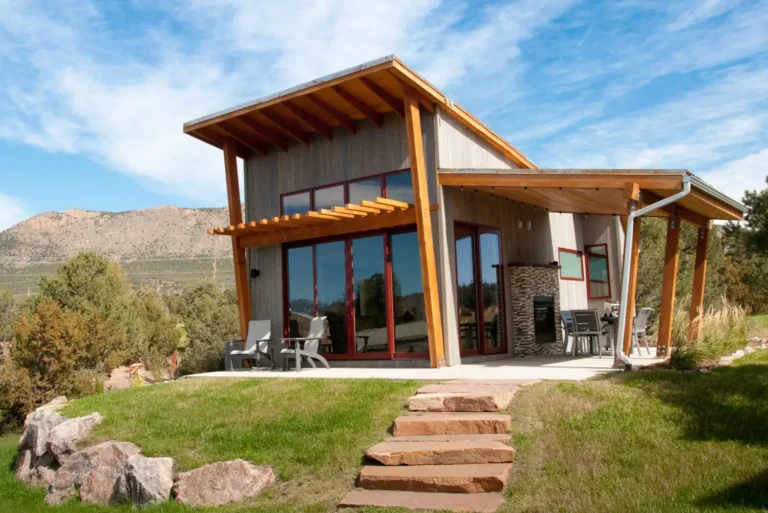
Beach houses have always carried a unique allure, combining relaxation, natural beauty, and architectural creativity. For many, a beach house is more than just a property; it represents a lifestyle rooted in tranquility, outdoor living, and connection with the sea. These homes are often designed with open layouts, large windows, and outdoor terraces to maximize scenic views and natural light.
Beyond aesthetics, beach houses also provide functional benefits. They can serve as vacation retreats, primary residences, or even rental properties for seasonal visitors. The architecture adapts to local climate conditions, often incorporating weather-resistant materials, raised foundations, and sustainable design features to handle the challenges of coastal environments.
Key Features of Beach House Architecture
One of the most defining elements of beach houses is their architectural style. These homes often feature:
-
Large Glass Panels and Windows: To frame panoramic ocean views and create a sense of openness.
-
Outdoor Living Spaces: Decks, patios, and verandas that extend the home’s footprint to the outdoors.
-
Elevated Foundations: To protect against flooding and rising tides.
-
Natural Materials: Wood, stone, and bamboo are commonly used to blend seamlessly with the coastal environment.
Beach houses can vary greatly depending on location. For instance, a New England beach house may highlight shingle-style architecture with muted tones, while a tropical beach house in Southeast Asia may use bamboo, palm leaves, and open-air floor plans for ventilation.
Real-World Applications of Beach Houses
1. The Classic New England Beach House
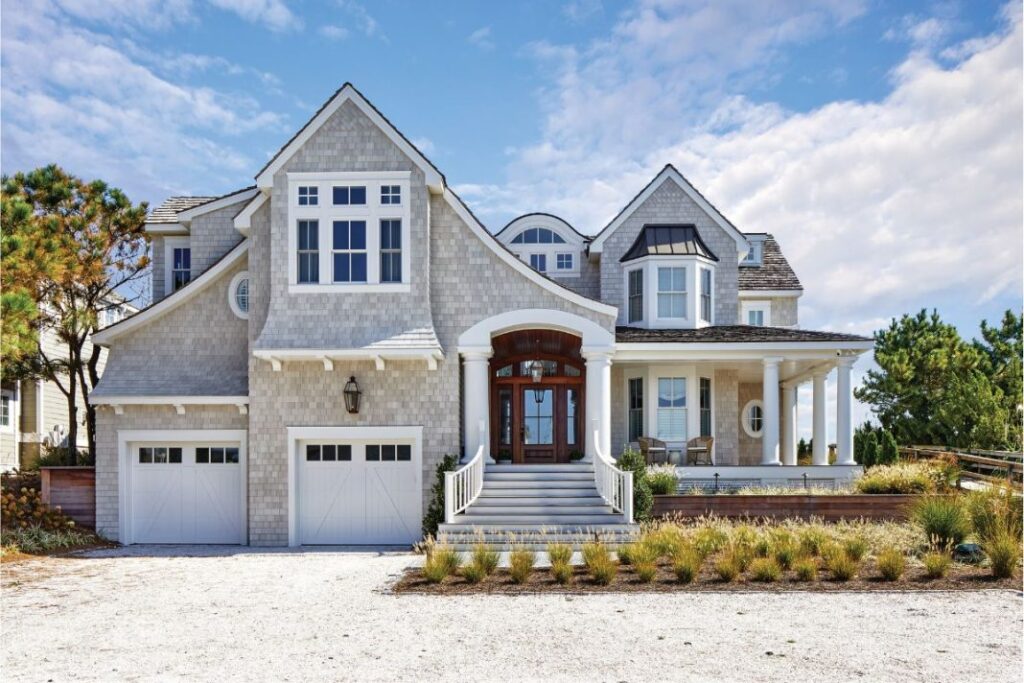
A classic New England-style beach house showcases timeless design with cedar shingles, pitched roofs, and wide porches. These homes are built to withstand cold coastal winds and stormy weather, often incorporating durable wood siding and raised designs.
Living in a New England beach house offers charm and tradition, with interiors that typically feature nautical themes, light color palettes, and cozy fireplaces. This type of beach house is ideal for families seeking a balance between historical design and modern coastal living.
2. The Modern Minimalist Beach House
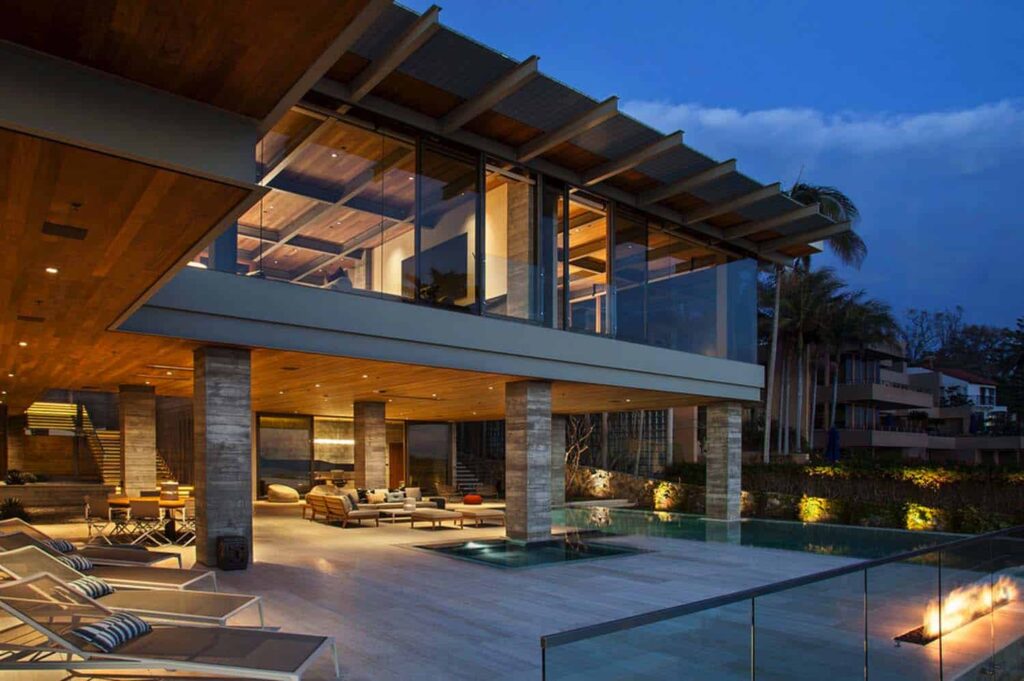
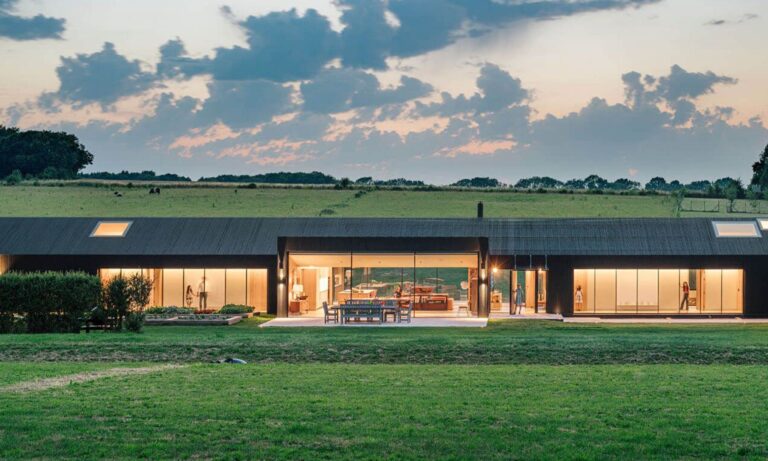
Modern beach houses often embrace minimalist design, focusing on clean lines, open floor plans, and sustainability. These properties are characterized by floor-to-ceiling windows, eco-friendly materials, and seamless integration between indoor and outdoor spaces.
For instance, a minimalist beach house on the coast of California might include solar panels, recycled wood finishes, and smart home systems to control temperature and lighting. The design highlights simplicity while still prioritizing comfort, making it attractive to eco-conscious homeowners who value efficiency and style.
3. Tropical Beach Houses in Southeast Asia
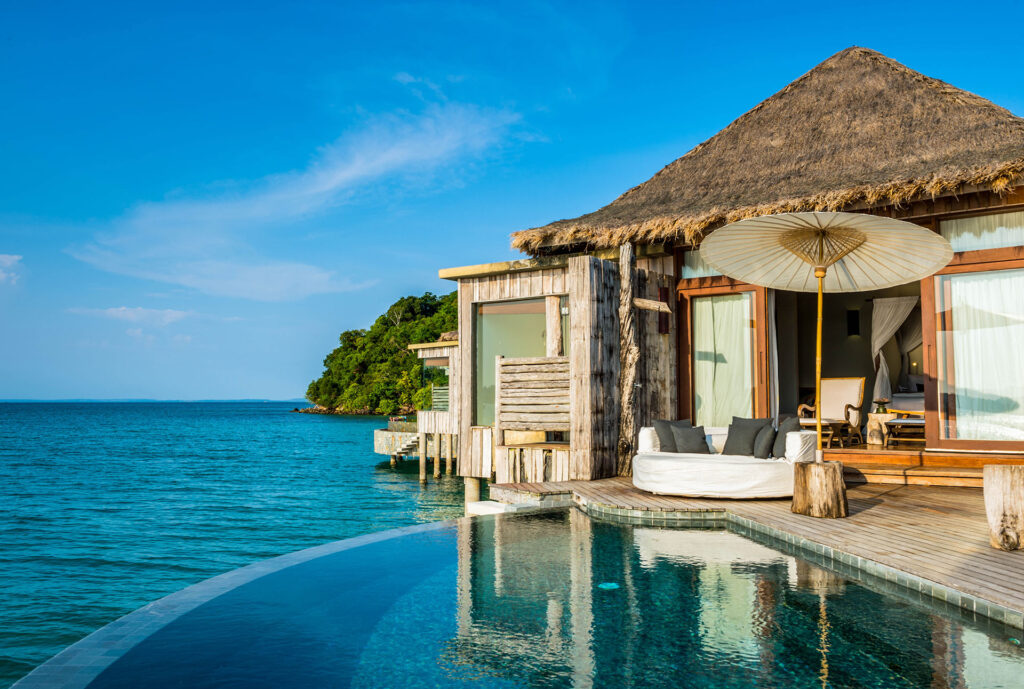
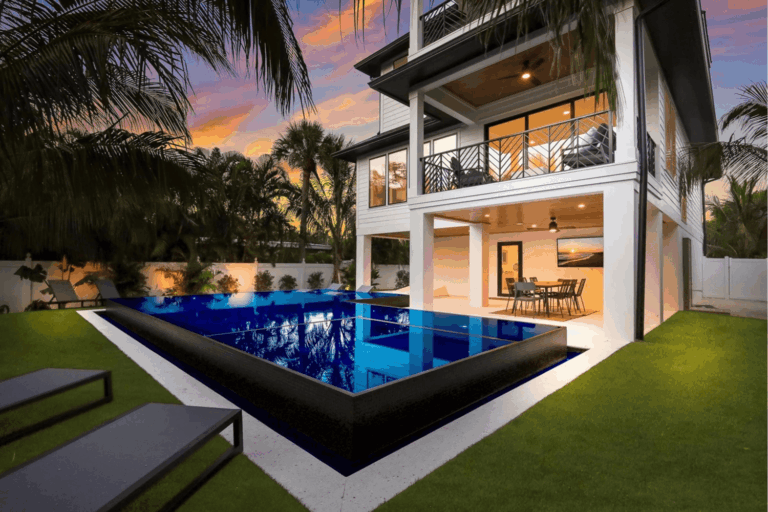
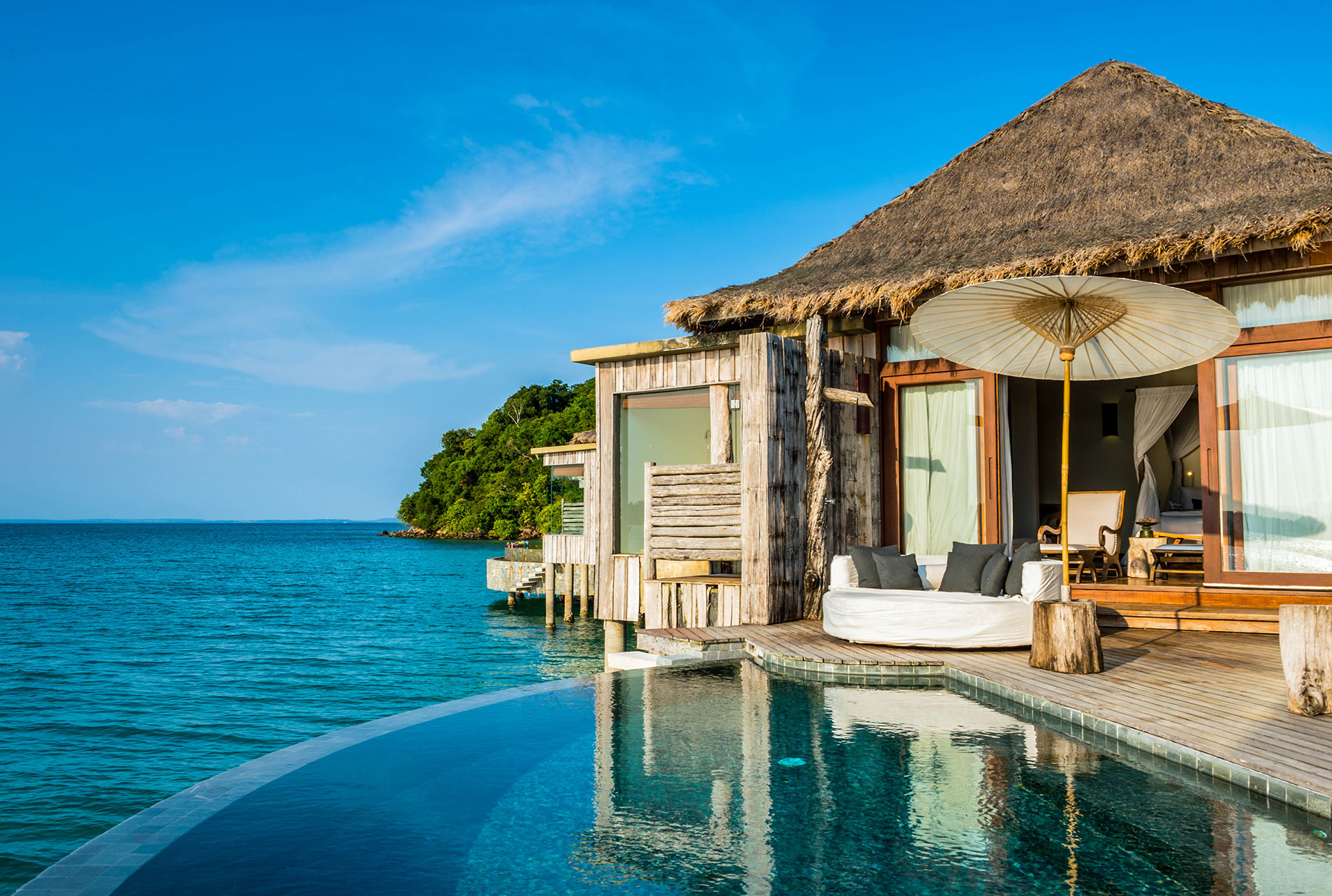
In regions like Bali or the Philippines, tropical beach houses are built to adapt to warm, humid climates. These homes often feature open-air floor plans, natural ventilation, and materials such as bamboo, teak, and thatched roofing.
A tropical beach house offers a serene environment where nature blends seamlessly with architecture. These homes often include infinity pools, garden courtyards, and open kitchens to promote relaxation. They are designed to complement the natural environment while ensuring maximum comfort in hot and humid conditions.
4. Mediterranean Beach Villas
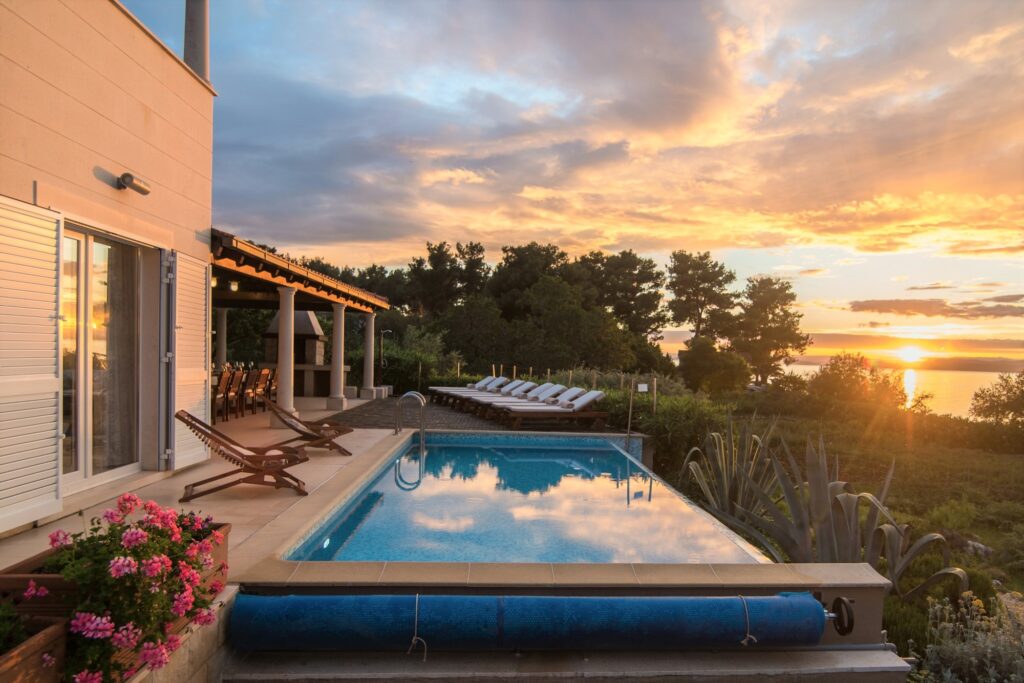
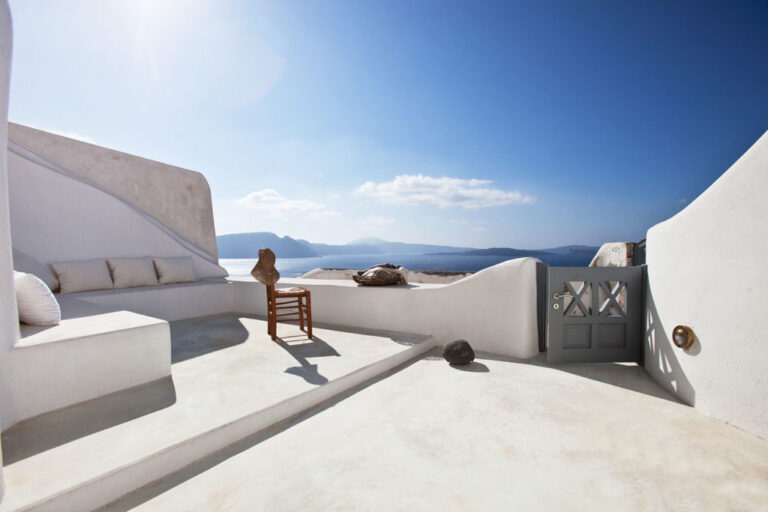
Mediterranean beach houses, often found in Greece or Spain, highlight whitewashed walls, arched windows, and terracotta roofs. These homes are built with thick walls to regulate indoor temperature, keeping them cool in summer and warm in winter.
A Mediterranean-style beach villa often incorporates lush gardens, balconies, and terraces that overlook the coastline. These properties emphasize outdoor living, with shaded pergolas and dining areas that make them perfect for family gatherings and social events.
Benefits of Beach Houses in Modern Living
Beach houses are not only visually appealing but also practical in many ways. Some of the key benefits include:
-
Health and Wellness: Living near the ocean has been linked to reduced stress, better sleep, and improved mental health. The fresh air and calming sound of waves contribute to overall well-being.
-
Natural Lighting and Ventilation: Large windows and open layouts maximize natural airflow and daylight, reducing the need for artificial cooling and lighting.
-
Recreational Lifestyle: A beach house encourages outdoor activities like swimming, surfing, beach volleyball, or simply walking along the shore.
-
Potential for Investment: Many serve as profitable rental properties due to the high demand for coastal vacations.
These benefits make beach houses more than just a retreat—they can become long-term solutions for healthier and more enjoyable living.
Use of Technology in Beach Houses
Modern technology has transformed beach houses into smarter, more sustainable spaces. Features such as:
-
Smart Home Integration: Voice-controlled lighting, temperature, and security systems.
-
Solar Panels and Renewable Energy: Reduce electricity costs and environmental impact.
-
Storm-Resistant Materials: Advanced construction methods ensure durability in harsh weather.
-
Water Management Systems: Collecting and filtering rainwater for sustainable use.
Technology not only enhances convenience but also ensures that we are better equipped to withstand the environmental challenges of coastal regions.
Practical Use Cases of Beach Houses
Beach houses solve multiple real-life challenges for individuals and families. For instance:
-
Stress Reduction and Health Retreats – Families or individuals seeking mental health benefits can use beach houses as retreats. The proximity to nature encourages relaxation and mindfulness.
-
Remote Work and Digital Nomadism – With more people working remotely, offer inspiring environments where productivity and relaxation meet.
-
Multigenerational Living – Spacious allows families to spend extended time together, accommodating both elderly relatives and younger generations.
-
Vacation Rentals and Income Generation – Owners can transform their beach houses into seasonal rentals, benefiting from steady income while still enjoying personal use of the property.
Frequently Asked Questions
Q1. What is the best location for building a beach house?
The best location depends on climate, accessibility, and coastal conditions. Tropical regions offer year-round warmth, while temperate climates like New England provide seasonal charm. Choosing a location should also consider flood zones and long-term environmental changes.
Q2. How do beach houses withstand harsh weather conditions?
Beach houses are typically built with weather-resistant materials, elevated foundations, and reinforced roofing. Many modern beach houses incorporate technology like storm shutters and flood prevention systems to provide added protection.
Q3. Are beach houses a good long-term investment?
Yes, beach houses can be excellent investments, especially in high-demand coastal areas. They provide both personal use benefits and rental income opportunities. However, maintenance and insurance costs should be factored into the investment decision.