
Comprehensive Guide to Construction Companies Industry Insights, Technological Advancements, and Real-World Applications
The construction industry is a cornerstone of global economic development, encompassing a wide range of activities from residential buildings to large-scale infrastructure projects. Construction companies play a pivotal role in transforming architectural designs into tangible structures that serve various purposes.
Evolution of Construction Practices
Over the centuries, construction methods have evolved significantly. From the use of rudimentary tools and materials in ancient civilizations to the adoption of advanced machinery and techniques in modern times, the industry has witnessed remarkable transformations. This evolution has been driven by the need for efficiency, safety, and sustainability.
Key Players in the Construction Sector
Construction companies vary in size and specialization, ranging from small local contractors to large multinational corporations. These companies are categorized based on the services they offer, such as general contracting, specialty contracting, and construction management. Understanding the different types of construction companies is essential for recognizing their unique contributions to the industry.
Technological Advancements in Construction
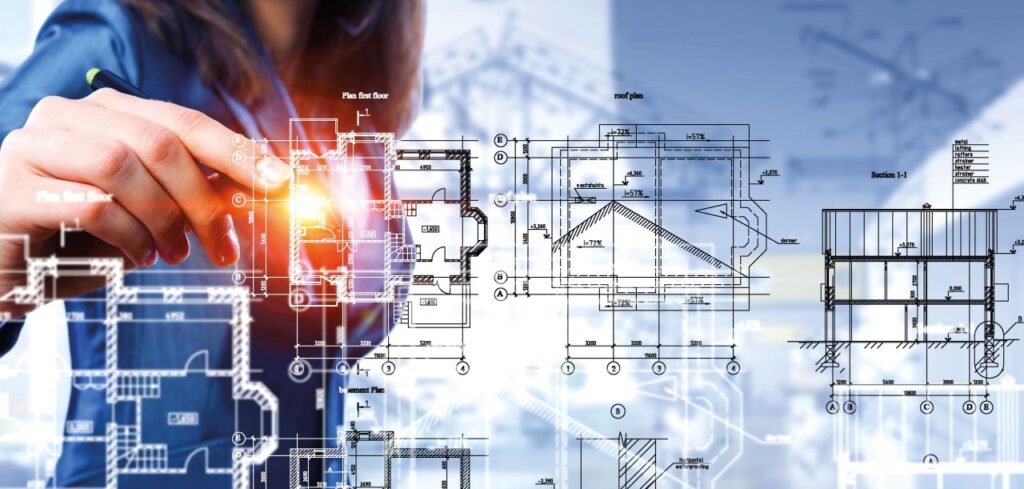
Technology has revolutionized the construction industry, introducing innovative tools and methodologies that enhance productivity and quality.
Building Information Modeling (BIM)
Building Information Modeling (BIM) is a digital representation of the physical and functional characteristics of a facility. BIM allows construction professionals to plan, design, and manage buildings more efficiently. By providing a 3D model, BIM facilitates better visualization, coordination, and collaboration among stakeholders.
Drones and Aerial Imaging
Drones equipped with high-resolution cameras are increasingly used in construction for surveying and monitoring job sites. Aerial imaging provides real-time data, enabling project managers to track progress, identify potential issues, and ensure safety compliance.
Robotics and Automation
Robotic technologies are being integrated into construction processes to perform tasks such as bricklaying, welding, and demolition. Automation reduces labor costs, minimizes human error, and accelerates project timelines.
Sustainable Construction Technologies
With growing environmental concerns, sustainable construction practices have gained prominence. Technologies like solar panels, energy-efficient HVAC systems, and green building materials contribute to reducing the ecological footprint of construction projects.
Real-World Applications of Construction Technologies
The implementation of advanced technologies in construction has led to the successful completion of numerous projects worldwide.
1. Smart Cities

Smart cities leverage IoT devices, data analytics, and automation to improve urban living. Construction companies are instrumental in developing the infrastructure necessary for smart cities, including smart roads, energy-efficient buildings, and intelligent transportation systems.
2. Prefabricated Housing

Prefabricated housing involves assembling components of a house in a factory setting before transporting them to the construction site. This method reduces construction time and costs while maintaining quality control.
3. Infrastructure Development

Large-scale infrastructure projects, such as bridges, highways, and airports, benefit from technological advancements that ensure precision and safety. The use of advanced materials and construction techniques enhances the durability and functionality of these structures.
Benefits of Technology in Construction
The integration of technology in construction offers several advantages that contribute to the industry’s growth and development.
Enhanced Efficiency
Automation and digital tools streamline construction processes, reducing the time required to complete projects. This efficiency leads to cost savings and the ability to undertake more projects simultaneously.
Improved Safety
Technological innovations, such as wearable devices and real-time monitoring systems, enhance safety on construction sites. These technologies help in identifying hazards and ensuring compliance with safety regulations.
Quality Control
Advanced technologies enable precise measurements and quality assessments, ensuring that construction projects meet the desired standards. This focus on quality leads to increased client satisfaction and reduced rework.
Environmental Sustainability
Sustainable construction technologies minimize resource consumption and waste generation, contributing to environmental conservation. Green building practices also result in long-term operational cost savings for building owners.
Frequently Asked Questions (FAQs)
Q1. What are the primary services offered by construction companies?
Construction companies provide a range of services, including general contracting, project management, design-build services, and specialty contracting. These services encompass various stages of a construction project, from planning and design to execution and maintenance.
Q2. How do construction companies ensure safety on job sites?
Construction companies implement safety protocols such as regular training, hazard assessments, and the use of personal protective equipment (PPE). Additionally, technologies like drones and wearable devices are employed to monitor safety conditions in real-time.
Q3. What role do construction companies play in urban development?
Construction companies are integral to urban development by building residential, commercial, and infrastructure projects that support growing populations and economic activities. They collaborate with urban planners and government agencies to create sustainable and functional urban environments.