Modern Housing Projects A Complete Guide to Innovative Urban Living
Modern housing projects are redefining the way people live, combining architecture, technology, and sustainability to meet the evolving needs of urban populations. Unlike traditional housing, these projects emphasize energy efficiency, smart design, and community-centric planning.
Urbanization and population growth have created demand for housing that is not only functional but also environmentally conscious, affordable, and technologically integrated. Address these needs by blending aesthetic design with practical solutions for contemporary living.
This guide will provide an in-depth look at modern housing projects, their benefits, real-world examples, use cases, and the role of technology in shaping the future of residential development.
What Are Modern Housing Projects?
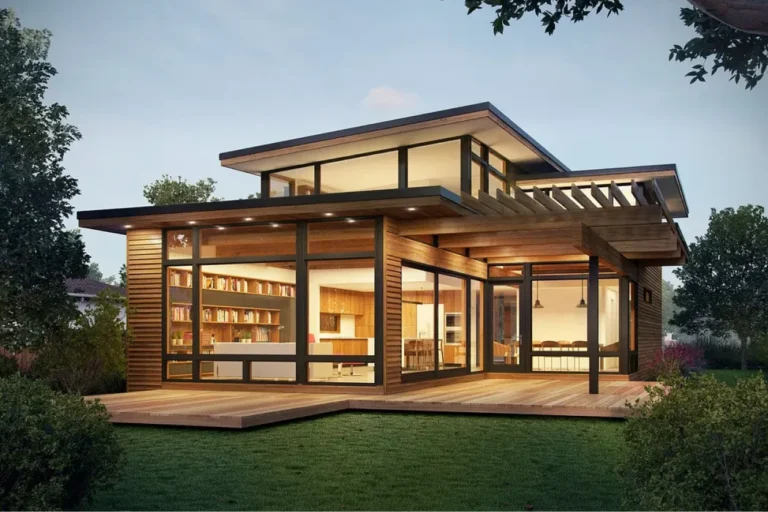
Modern housing projects refer to residential developments designed using contemporary architectural principles, sustainable materials, and smart technologies. These projects often consist of single-family homes, apartments, or integrated communities with shared amenities.
The primary focus is on efficiency, comfort, and environmental responsibility. Unlike older housing models, modern projects emphasize natural lighting, ventilation, green spaces, and energy-saving features. Developers aim to create homes that are functional, aesthetically pleasing, and adaptable to evolving lifestyles.
They are also community-oriented, offering common areas such as parks, playgrounds, fitness centers, and co-working spaces to encourage social interaction and convenience for residents.
Why Modern Housing Projects Are Important
The rise of modern housing projects is driven by urban challenges and changing consumer expectations.
Urban Population Growth
Rapid urbanization has created the need for compact, sustainable, and efficient housing. Modern projects optimize land use while providing quality living spaces for more residents.
Environmental Sustainability
These projects integrate energy-efficient systems, eco-friendly materials, and renewable energy sources to minimize environmental impact.
Technological Integration
From smart home automation to advanced security systems, enhance convenience, safety, and efficiency.
Lifestyle Enhancement
By combining aesthetics, amenities, and functional design, these projects offer a higher quality of life and cater to diverse demographics, including young professionals, families, and retirees.
Benefits of Modern Housing Projects
Modern housing projects provide numerous advantages for residents, investors, and communities.
Energy Efficiency and Sustainability
These projects utilize solar panels, energy-efficient lighting, and water-saving systems. This reduces utility costs while minimizing environmental impact, supporting sustainable living.
Smart Living Solutions
Homes are often equipped with smart thermostats, lighting controls, and security systems that enhance comfort and convenience for residents.
Community and Social Integration
Modern housing projects create cohesive communities with shared spaces that encourage interaction, fitness, and recreational activities.
Increased Property Value
Well-planned and sustainable housing projects often appreciate faster, providing long-term investment potential for owners.
Reduced Maintenance Burden
Developers manage communal areas, landscaping, and facilities, allowing residents to focus on daily life without worrying about upkeep.
Real-World Examples of Modern Housing Projects
To illustrate how we are shaping contemporary urban living, here are some notable examples.
1. EcoWorld Damansara Heights (Malaysia)
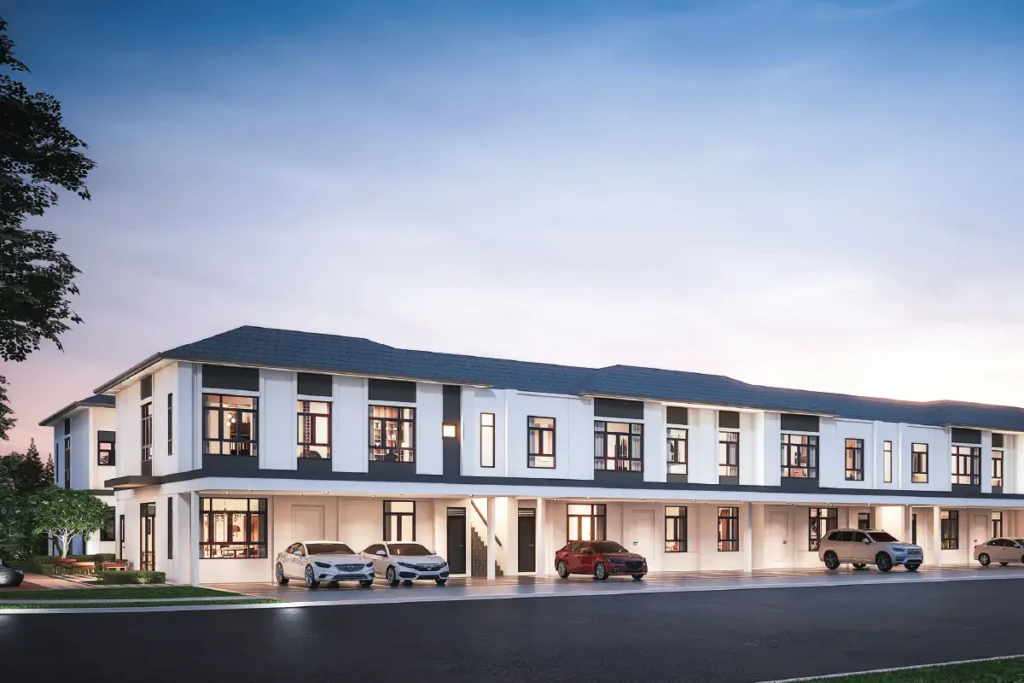
This development focuses on sustainable luxury living. EcoWorld Damansara Heights features energy-efficient homes, landscaped gardens, and shared amenities such as swimming pools and fitness centers.
The project emphasizes green architecture, natural lighting, and eco-conscious materials, demonstrating how to merge sustainability with comfort. Residents benefit from both environmental responsibility and high-quality urban living.
2. Songdo International Business District (South Korea)
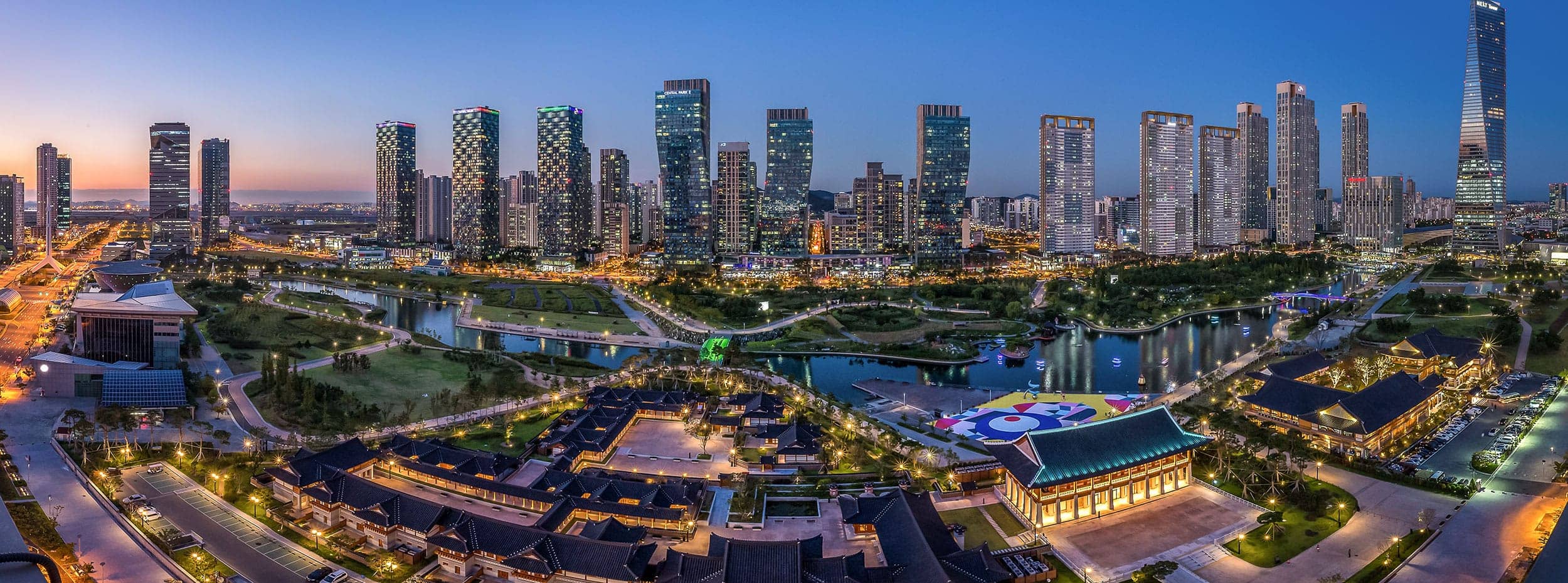
Songdo is a purpose-built smart city with residential, commercial, and recreational zones. It includes energy-efficient apartments with smart home integration and advanced waste management systems.
Songdo showcases how technology and urban planning can create self-sustaining communities, where residents enjoy convenience, connectivity, and environmental benefits.
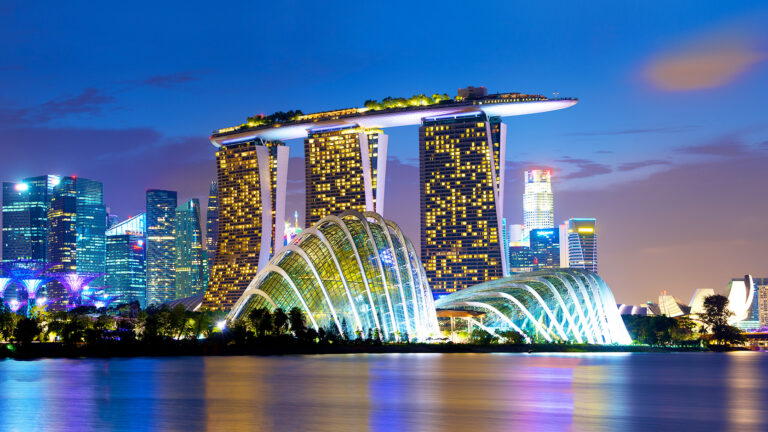
3. Marina One Residences (Singapore)
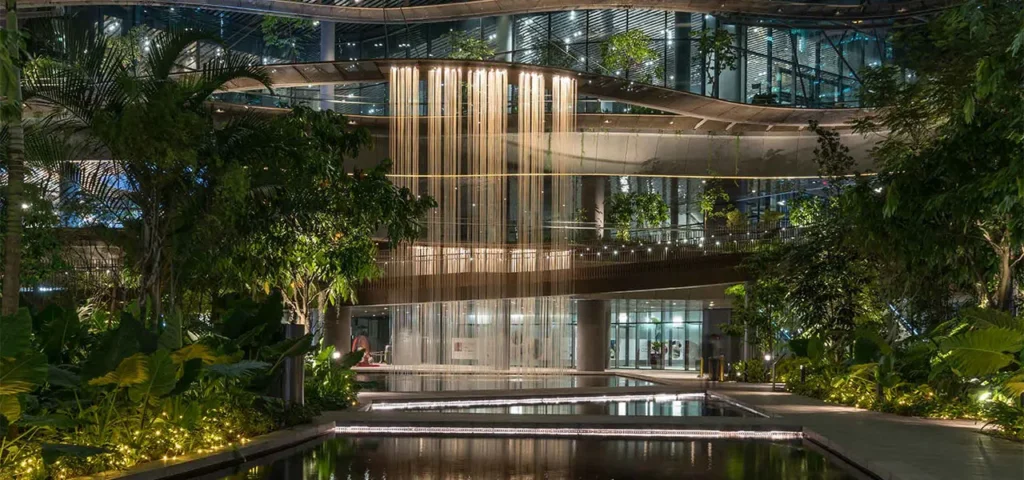
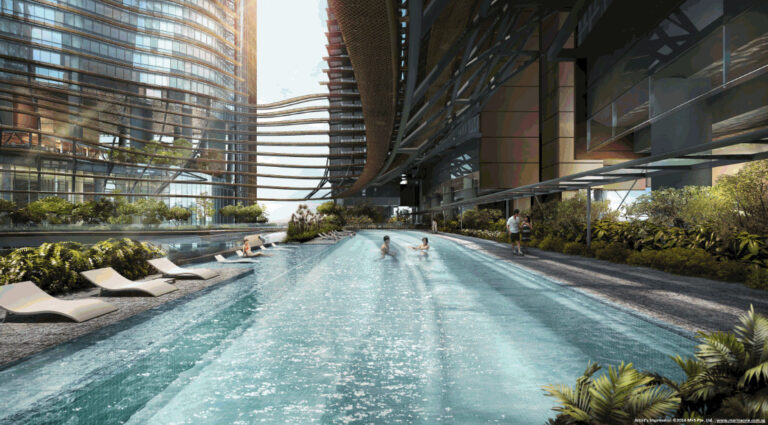
Marina One combines modern design with sustainability. Its residential towers feature sky gardens, water-efficient systems, and high-tech security.
This project exemplifies how modern housing integrates green spaces within urban landscapes, providing residents with a balanced lifestyle that emphasizes wellness and connectivity.
4. The Ellinikon Project (Athens, Greece)
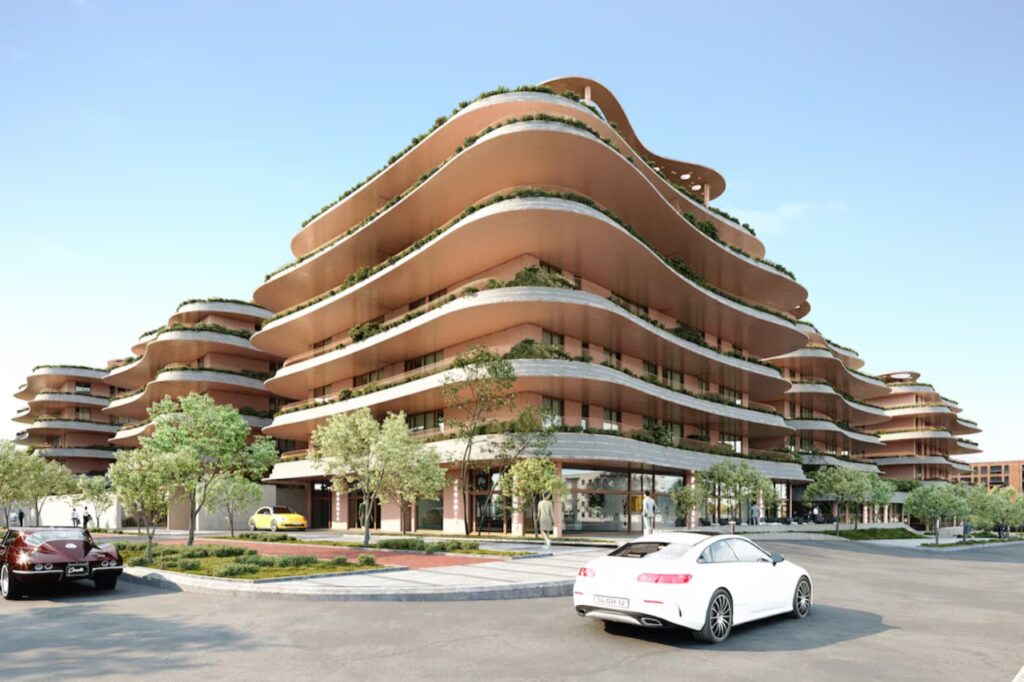
The Ellinikon Project is a large-scale urban regeneration initiative featuring modern housing, parks, and cultural spaces. Residences incorporate energy-saving features, open layouts, and sustainable materials.
It demonstrates the potential to revitalize underutilized areas, offering both lifestyle and investment opportunities.
Technology in Modern Housing Projects
Technology enhances the functionality, safety, and efficiency
These include automated lighting, temperature controls, and home security, allowing residents to manage their homes conveniently via smartphones or voice commands.
Sustainable Building Technology
Solar panels, rainwater harvesting, and efficient HVAC systems contribute to energy savings and environmental sustainability.
Construction Innovations
Prefabricated components, 3D modeling, and AI-driven project management reduce construction errors, timelines, and costs, resulting in higher-quality outcomes.
Connectivity and Community Platforms
Developers provide apps for residents to book shared amenities, communicate with management, and monitor energy usage, fostering both convenience and community engagement.
Use Cases of Modern Housing Projects
Addressing Urban Housing Shortages
Modern housing projects maximize land efficiency and provide compact, functional homes in high-density cities.
Promoting Sustainable Living
Eco-friendly design and renewable energy systems help reduce residents’ carbon footprint and utility expenses.
Enhancing Lifestyle Quality
Shared amenities and smart technology support fitness, leisure, and social interactions, improving overall well-being.
Investment and Asset Appreciation
Sustainable, well-designed housing projects attract buyers and tenants, leading to property value growth over time.
Urban Regeneration
Transform underutilized or deteriorated neighborhoods into vibrant communities with economic, social, and environmental benefits.
Frequently Asked Questions
Q1. What defines a modern housing project?
A modern housing project is a residential development designed with contemporary architecture, energy efficiency, smart technology, and community-focused planning.
Q2. How does technology improve modern housing projects?
Technology enhances convenience, security, and efficiency through smart home systems, energy management, construction innovations, and digital community platforms.
Q3. Why are modern housing projects considered sustainable?
They integrate eco-friendly materials, renewable energy systems, efficient water management, and green spaces to minimize environmental impact while reducing operating costs for residents.