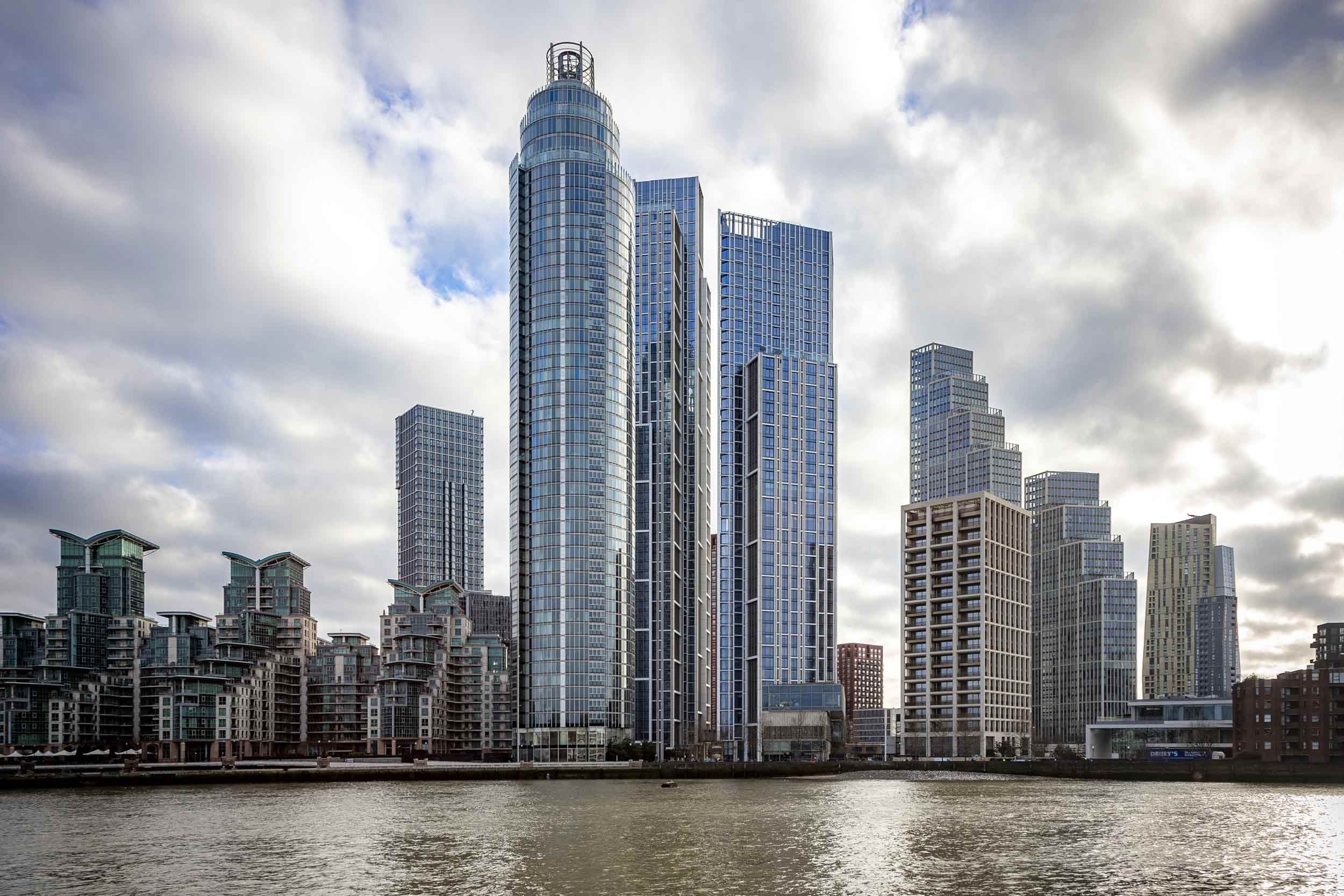
New Apartment Complexes Modern Living, Benefits, and Real-World Examples
New apartment complexes are reshaping the way people live in cities and suburban areas. These developments are more than just residential spaces-they combine modern architecture, advanced amenities, and smart technologies to provide comfort, convenience, and sustainable living. With rising demand for urban housing, new apartment complexes are becoming symbols of efficient design and lifestyle innovation.
What Defines New Apartment Complexes
New apartment complexes are multi-unit residential developments designed with modern standards, often featuring upgraded construction materials, energy-efficient systems, and state-of-the-art amenities. Unlike older housing structures, these complexes focus on integrated living, blending residential units with shared spaces such as gyms, co-working areas, green courtyards, and retail outlets.
Architects and developers are increasingly prioritizing sustainability, technology, and community-driven design. These factors make new apartment complexes appealing not only for first-time homebuyers and young professionals but also for retirees seeking convenience and access to services in one location.
Key Features of New Apartment Complexes
Modern apartment developments are built around a set of features that distinguish them from older residential buildings.
-
Smart Technology Integration – Automated lighting, heating, and security systems for better convenience.
-
Energy Efficiency – Advanced insulation, solar panels, and eco-friendly construction methods reduce energy waste.
-
Community Amenities – Shared gyms, rooftop gardens, swimming pools, and co-working areas foster community living.
-
Sustainable Design – Use of green building certifications, eco-friendly materials, and rainwater collection systems.
-
Safety and Security – Smart access control, 24/7 surveillance, and fire-safety systems enhance resident protection.
These features ensure that new apartment complexes don’t just provide housing but create an entire lifestyle ecosystem.
Benefits of Living in New Apartment Complexes
Enhanced Comfort and Convenience
New complexes are designed with resident comfort in mind. Smart layouts, high-quality construction, and modern finishes make living spaces more enjoyable. Automated systems like smart thermostats and voice-controlled lighting add a layer of convenience that older apartments often lack.
Improved Energy Efficiency
Energy-efficient appliances, LED lighting, and smart meters reduce both costs and environmental impact. Many complexes now integrate renewable energy sources, lowering dependency on traditional power. For environmentally conscious residents, this makes new developments particularly attractive.
Stronger Community and Lifestyle Opportunities
Shared amenities encourage interaction among residents. Rooftop lounges, gyms, and social areas foster a sense of belonging, which is essential in urban environments where isolation can be common.
Better Security
Smart locks, video surveillance, and access control systems provide peace of mind. Compared to traditional apartment buildings, these security upgrades make residents feel safer while protecting property.
Real-World Examples of New Apartment Complexes
To understand the impact of new apartment complexes, let’s look at some real-world projects that demonstrate their design and technology integration.
1. Hudson Yards – New York City, USA
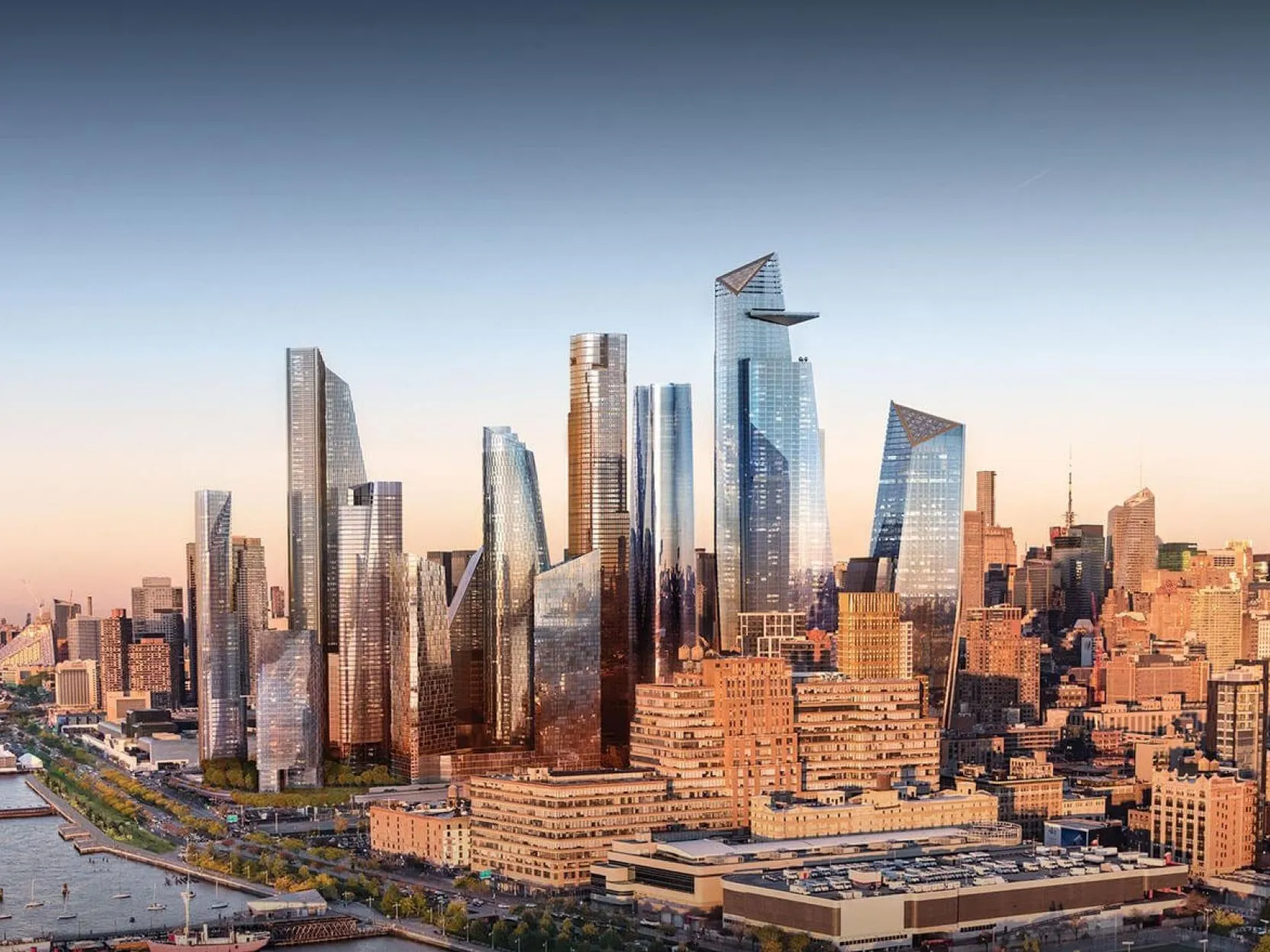
Hudson Yards is one of the most ambitious residential and commercial projects in New York. It combines luxury apartment complexes with shopping centers, green spaces, and cultural hubs. The apartments are equipped with advanced automation systems, sustainable design elements, and premium amenities. Hudson Yards highlights how new complexes can redefine entire neighborhoods by blending residential living with business and recreation.
2. One Nine Elms – London, UK
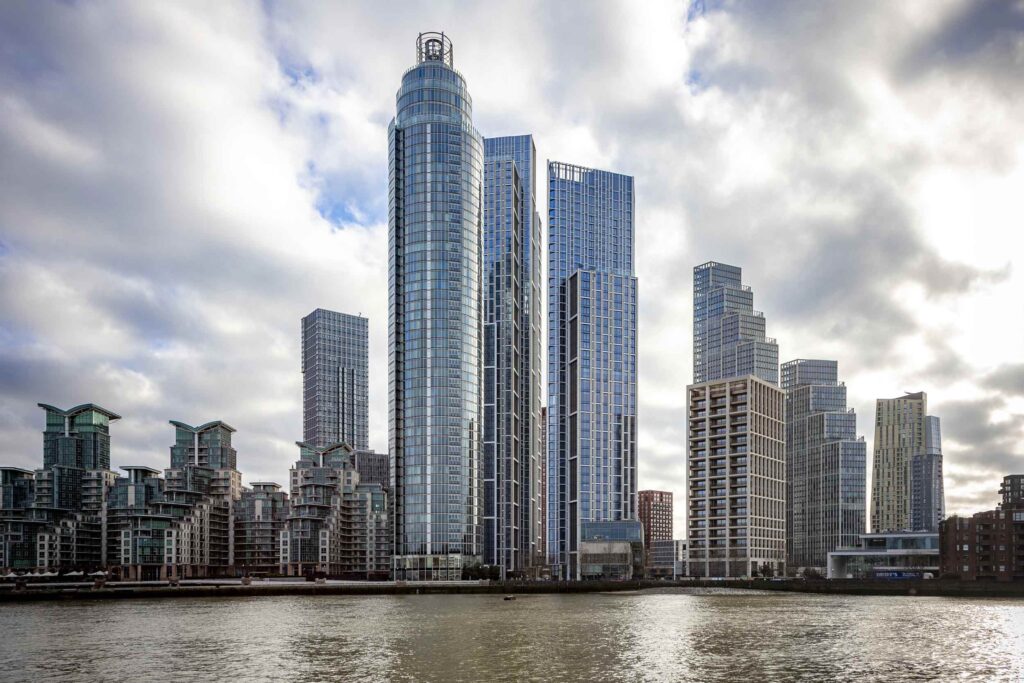
One Nine Elms is a modern apartment development in central London featuring twin towers with luxury residences. It integrates energy-efficient building systems, smart home technology, and wellness amenities like gyms and spas. Residents benefit from a mix of convenience, sustainability, and connectivity, reflecting the future of high-rise urban living.
3. Marina One Residences – Singapore
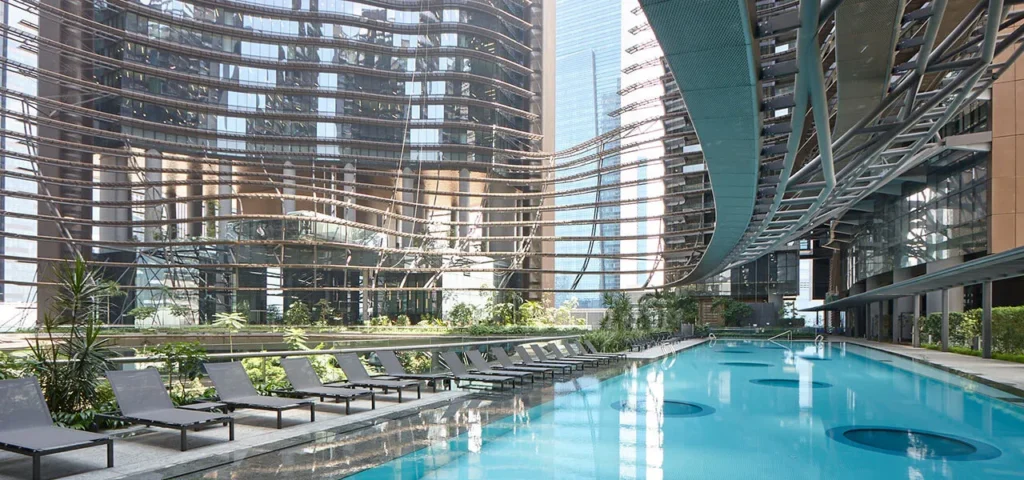
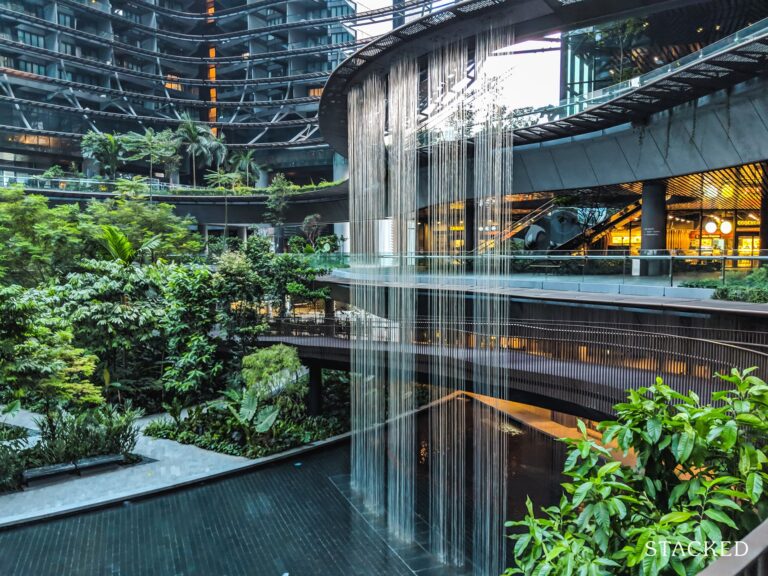
Marina One combines residential apartments with office spaces, retail, and lush green courtyards. The complex is designed with eco-friendly principles, including natural ventilation, rainwater harvesting, and sky gardens. This project demonstrates how new apartment complexes can balance modern architecture with environmental responsibility, creating an urban sanctuary.
4. EcoWorld’s Eco Grandeur – Malaysia
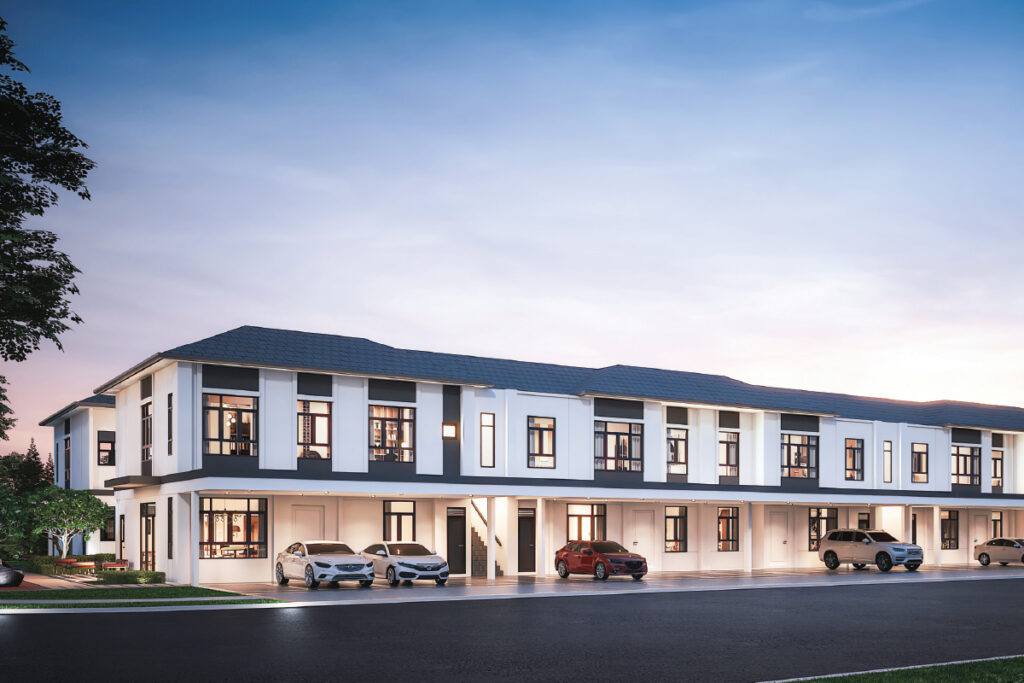
Eco Grandeur is a residential development focused on sustainable living. Its apartments feature solar energy systems, water-saving technologies, and community-centered layouts. The project highlights how new apartment complexes in Southeast Asia are embracing green living while catering to the rising demand for urban housing.
Use Cases of New Apartment Complexes
Urban Housing Demand
In fast-growing cities, housing demand continues to rise. New apartment complexes offer scalable solutions by housing hundreds of residents within smaller footprints. This helps combat urban sprawl while keeping people closer to city centers and workplaces.
Sustainable Living Solutions
With climate change concerns, sustainability has become a priority. Complexes with green building certifications and renewable energy solutions address environmental issues while lowering utility bills for residents.
Lifestyle-Oriented Housing
Modern residents look for more than just a place to live—they want lifestyle experiences. New apartment complexes with gyms, swimming pools, and communal spaces fulfill this demand, creating a blend of work, leisure, and social living.
Safety and Smart Living
Safety concerns in urban environments drive demand for complexes equipped with advanced surveillance and controlled access. Smart home integrations also make daily life more efficient, providing solutions for busy professionals, families, and retirees.
Technology in New Apartment Complexes
The role of technology in modern complexes is more important than ever.
Smart Security Systems
From biometric entry systems to app-based door locks, smart security makes complexes safer. Residents can grant access remotely, monitor cameras in real-time, and receive instant alerts about unusual activities.
Smart Energy Management
Complexes integrate IoT-based systems that manage electricity, water, and heating more efficiently. Automated lighting systems, smart thermostats, and renewable energy sources lower consumption.
Connected Living Spaces
Voice assistants, smart appliances, and centralized hubs make daily routines seamless. For example, a resident can set up automation routines where lights dim, the thermostat adjusts, and doors lock automatically before bedtime.
Challenges and Considerations
While new apartment complexes offer numerous advantages, they also come with challenges. Affordability is a major concern, as advanced features often raise costs. Compatibility of different smart systems is another issue, requiring careful planning to avoid inefficiencies.
Additionally, privacy and data protection are vital. With smart devices collecting user data, developers and residents must ensure that systems follow proper cybersecurity standards.
Frequently Asked Questions
Q1. What makes new apartment complexes different from older ones?
New complexes are designed with modern construction methods, smart technology, and sustainable features. They often include lifestyle amenities such as gyms, pools, and green spaces that older buildings lack.
Q2. Are new apartment complexes eco-friendly?
Yes, many new developments prioritize sustainability. Features such as energy-efficient appliances, solar panels, and rainwater collection systems reduce their environmental footprint.
Q3. Do new apartment complexes cost more to live in?
The rent or purchase price can be higher due to advanced features and premium amenities. However, residents often save on energy bills and benefit from improved comfort, security, and convenience in the long term.