New Real Estate Projects Comprehensive Insights for Investors and Homebuyers
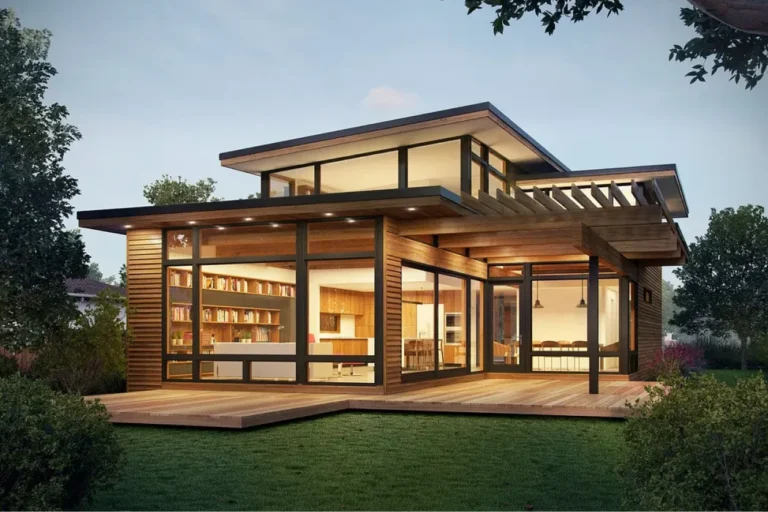
New real estate projects refer to recently planned or under-construction properties in residential, commercial, or mixed-use sectors. These developments often incorporate modern architecture, sustainable practices, and innovative amenities aimed at enhancing the quality of life for residents or providing lucrative investment opportunities for buyers.
One defining aspect of new real estate projects is their focus on contemporary needs and trends. Developers consider factors such as urban expansion, population growth, lifestyle changes, and technology adoption. These projects can range from high-rise apartments and gated communities to commercial hubs and mixed-use townships, reflecting the evolving demands of modern cities.
Key Features of Modern Real Estate Developments
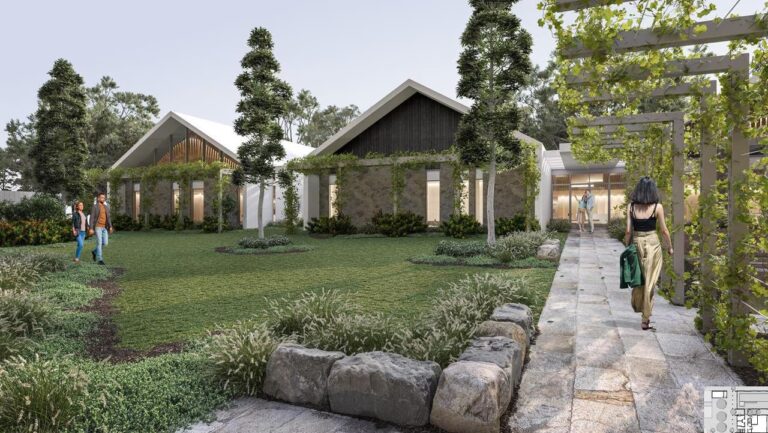
Modern real estate projects are often designed with sustainability and efficiency in mind. Features like energy-efficient building materials, green spaces, rainwater harvesting systems, and solar panels are increasingly common. Such features not only reduce environmental impact but also enhance property value and appeal to eco-conscious buyers.
Additionally, these projects often emphasize community-centric design. Walkable layouts, shared recreational spaces, fitness centers, and retail zones within or near the development encourage social interaction and convenience. For commercial projects, smart office layouts, flexible spaces, and integrated digital infrastructure help attract businesses and improve operational efficiency.
Benefits of Technology in New Real Estate Projects
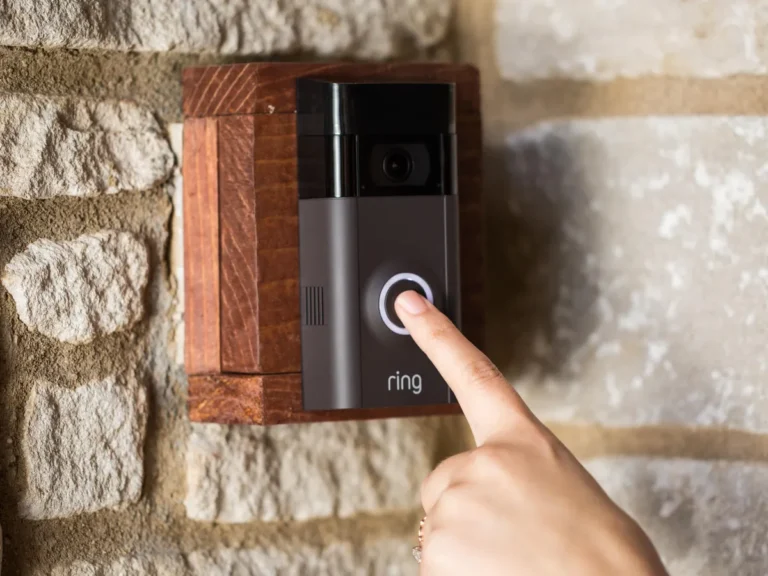
Technology plays a pivotal role in modern real estate. Smart home integrations, such as automated lighting, climate control, and security systems, provide comfort, safety, and energy efficiency. Residents can monitor and control their homes remotely, reducing maintenance concerns and enhancing convenience.
Beyond individual homes, technology also supports community management. Smart building systems monitor utilities, security, and waste management efficiently. For commercial and mixed-use projects, IoT-enabled infrastructure optimizes building operations, improving energy usage and reducing costs for occupants.
Real-World Examples and Use Cases
1. Hudson Yards, New York
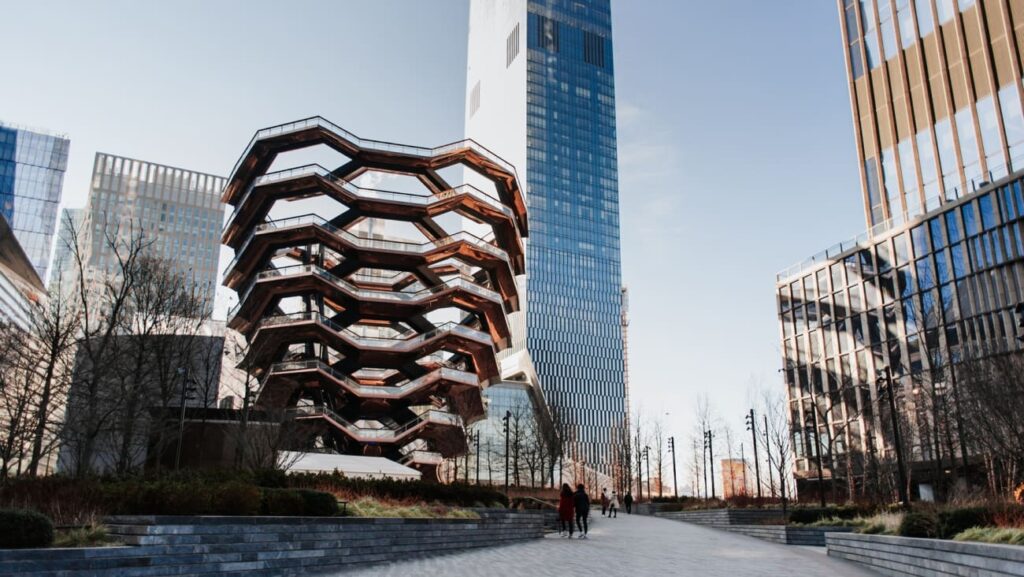
Hudson Yards, New York – A massive mixed-use development in Manhattan, Hudson Yards combines residential towers, office spaces, shopping centers, and cultural venues. The project demonstrates how large-scale urban real estate projects can integrate luxury living with commercial opportunities while using innovative architectural design and modern infrastructure.
2. Palm Jumeirah developments, Dubai
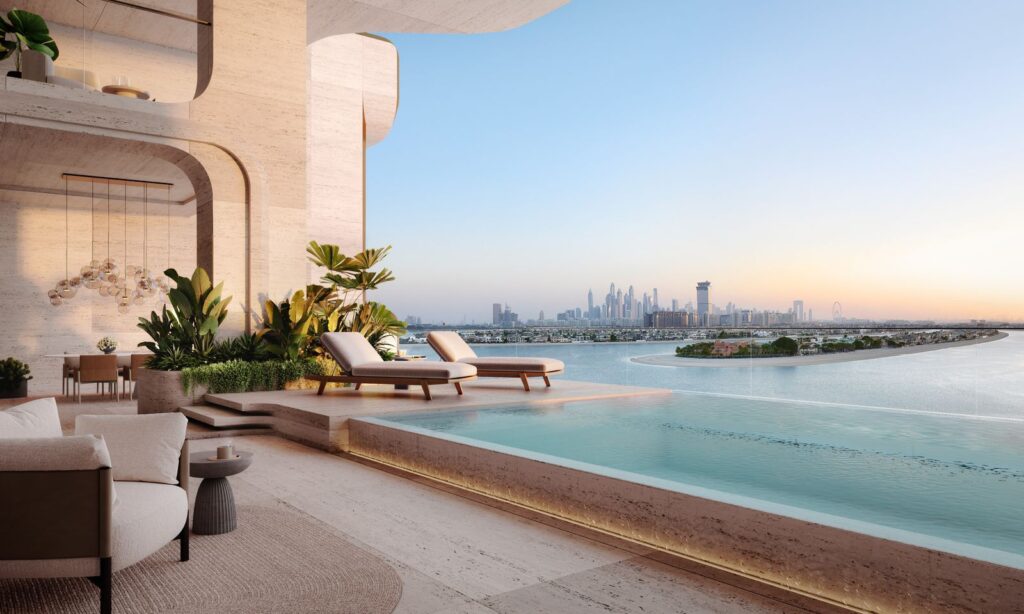
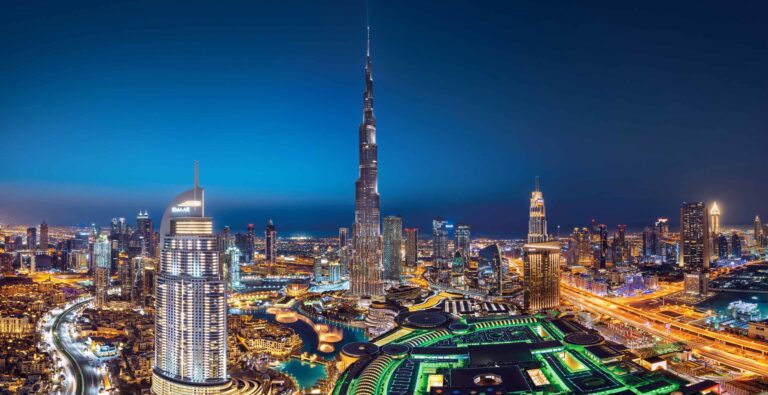
Palm Jumeirah, Dubai – This iconic man-made island project showcases luxury residential and hospitality offerings. With waterfront properties, resorts, and entertainment zones, it exemplifies how real estate projects can create lifestyle-focused communities that attract both residents and investors globally.
3. Battersea Power Station, London
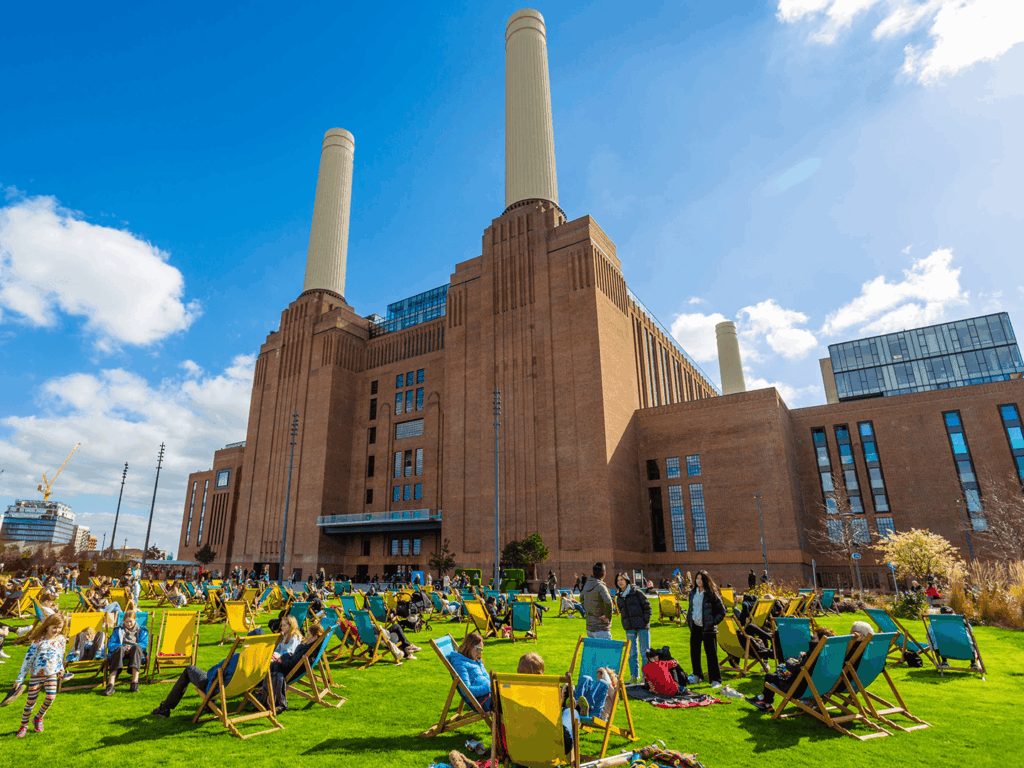
Battersea Power Station, London – A landmark redevelopment, this project transformed a historical power station into a mixed-use development with residential apartments, offices, retail spaces, and cultural venues. It highlights the potential for revitalizing old urban areas into modern, functional spaces.
4. Marina One, Singapore
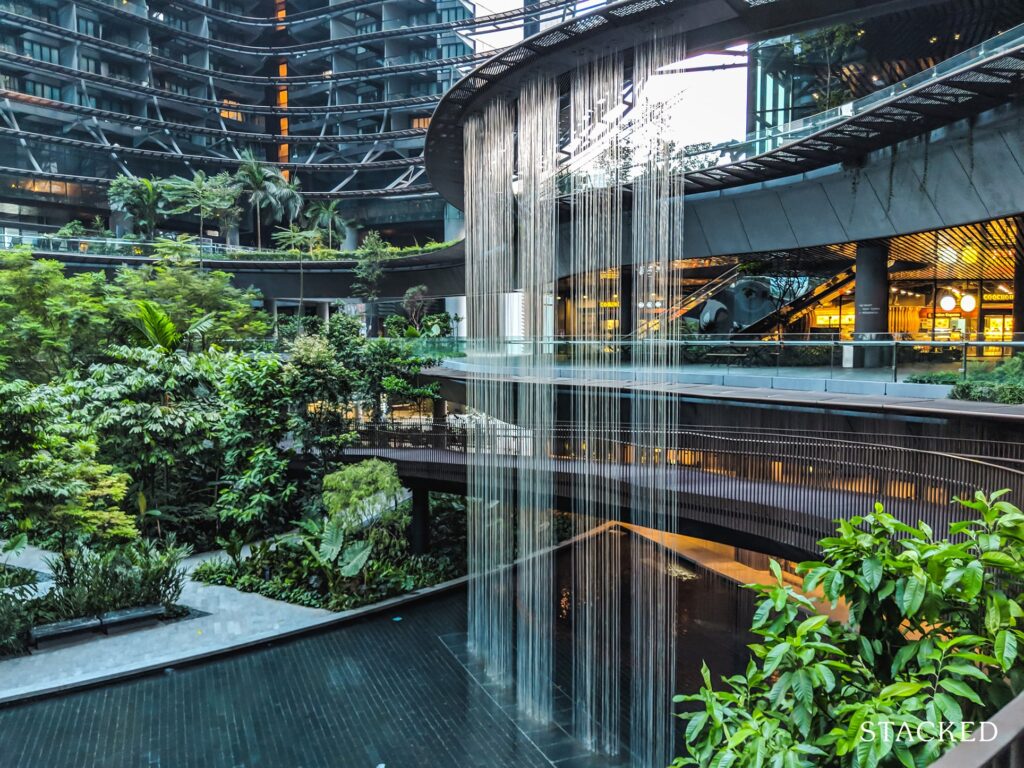
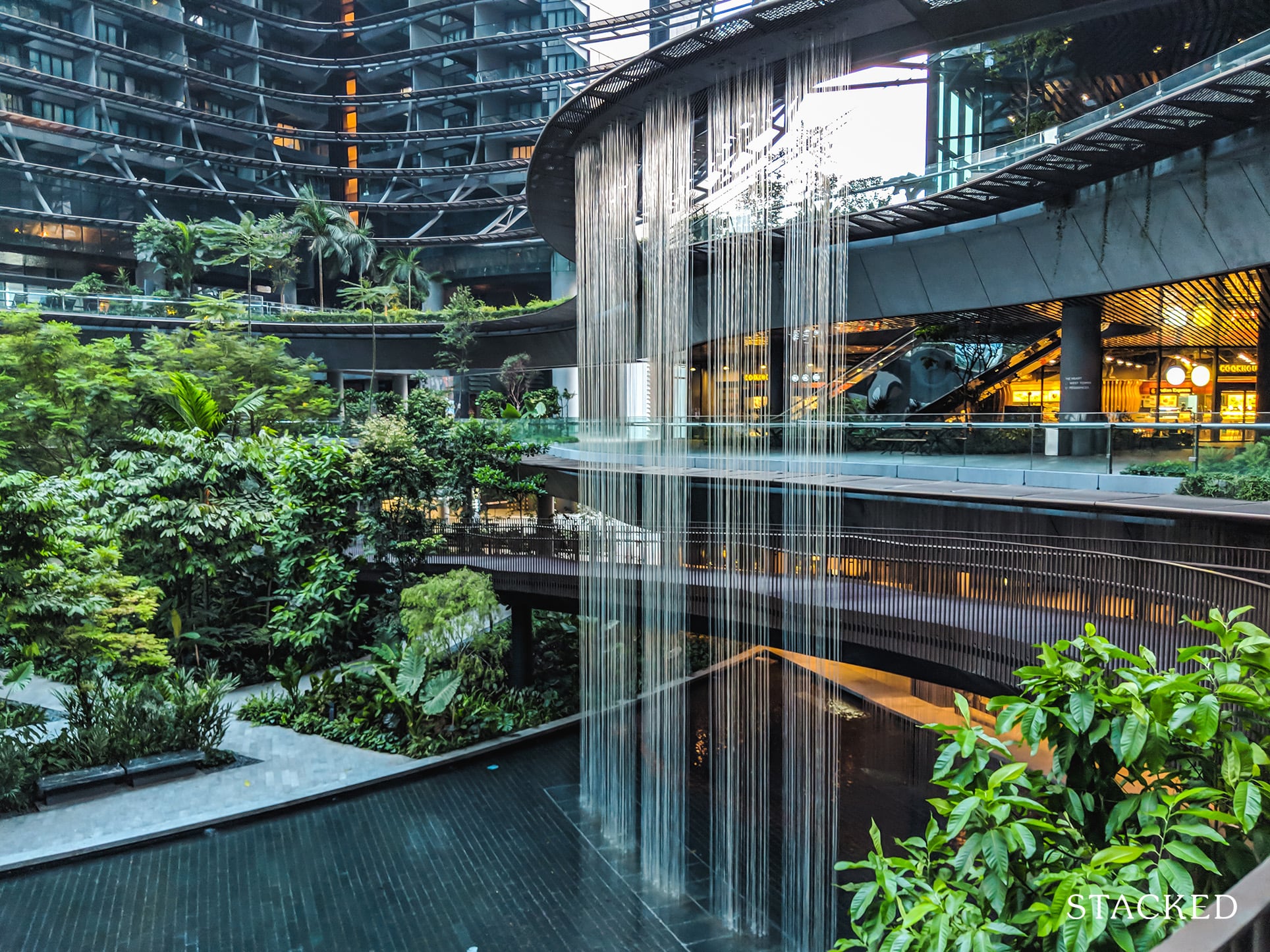
Marina One, Singapore – A contemporary mixed-use development featuring residential, commercial, and green spaces, Marina One integrates sustainable architecture with high-tech building management systems. It illustrates how new projects can balance urban density with environmental considerations.
5. Songdo International Business District, South Korea
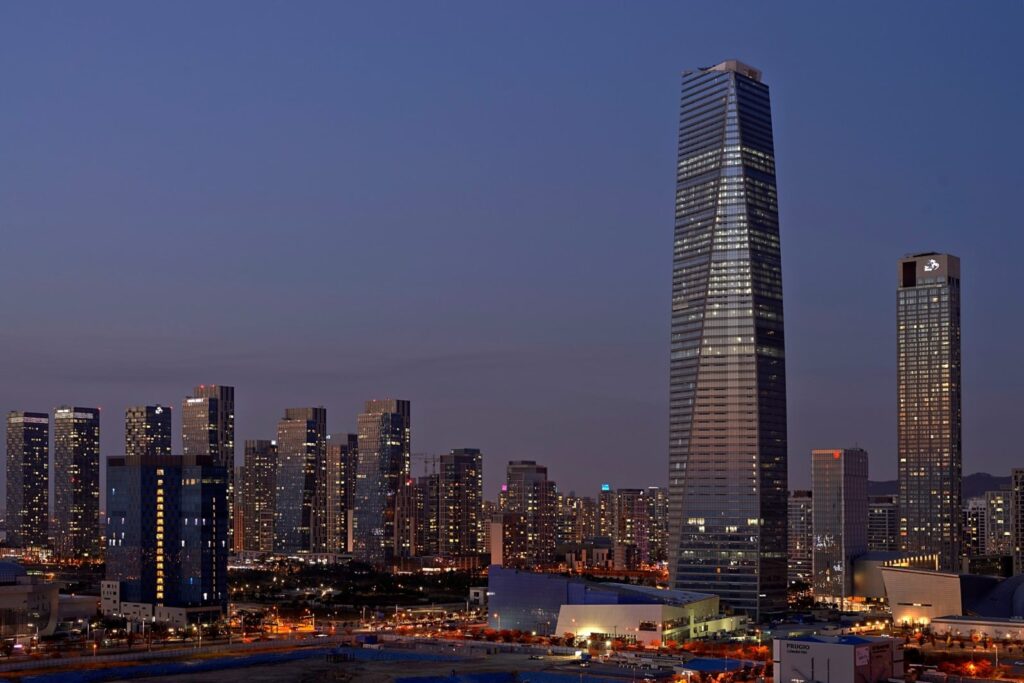
Songdo International Business District, South Korea – A smart city project designed from scratch, Songdo incorporates advanced technology, sustainable infrastructure, and integrated urban planning. The project serves as a model for technology-driven real estate developments worldwide.
Practical Use Cases and Benefits in Daily Life
New real estate projects address multiple challenges in modern urban living. For residents, these developments provide efficient, comfortable, and safe housing with modern amenities, minimizing maintenance stress and enhancing lifestyle quality.
For investors, new projects offer opportunities for capital appreciation and rental income, particularly when they incorporate high-demand features like sustainability, smart technology, and community-focused designs. The integration of retail, office, and recreational spaces further enhances the value proposition, creating a self-contained ecosystem that meets various needs within a single location.
Advantages of New Real Estate Projects
Residents benefit from modern architecture, smart home technology, and lifestyle-centric planning, which collectively improve comfort, convenience, and safety. Well-planned layouts reduce commuting times, encourage community engagement, and provide access to essential services and amenities.
For businesses, commercial spaces in new projects offer advanced infrastructure, flexible layouts, and connectivity that enhance operational efficiency. Urban planning and technology integration also improve sustainability and long-term cost efficiency. Overall, new real estate projects provide holistic solutions for living, working, and investing in contemporary urban environments.
FAQs About New Real Estate Projects
Q1: Why should I consider investing in new real estate projects?
New projects often offer modern amenities, sustainable design, and potential for high returns due to contemporary demand trends. Early investments can yield long-term appreciation as the area develops further.
Q2: How do technology integrations benefit residents in new real estate projects?
Smart home systems and community management technologies enhance safety, comfort, and convenience. They also optimize energy use, reduce costs, and allow remote control of property features.
Q3: Can new real estate projects improve the quality of life?
Yes. Thoughtfully planned projects provide access to green spaces, recreational facilities, and community activities, promoting social interaction, wellness, and an overall higher standard of living.