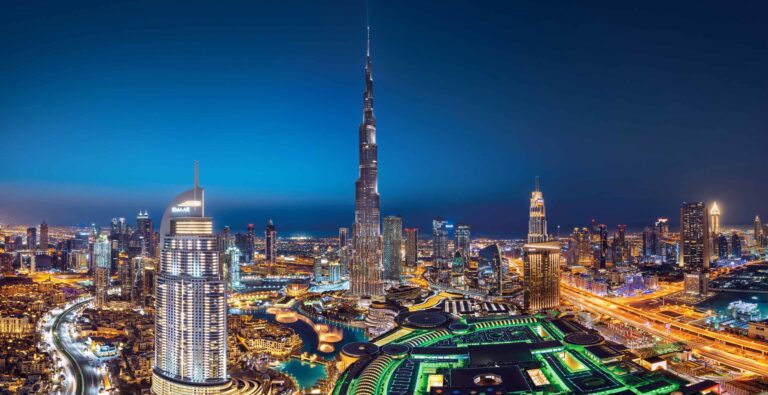
Property Development In-Depth Insights into Modern Real Estate Projects
Property development is the process of improving land or buildings to create valuable real estate assets. It involves planning, designing, constructing, and managing residential, commercial, or mixed-use projects. Property development plays a crucial role in shaping urban landscapes, meeting housing needs, and driving economic growth.
This field includes multiple stages: land acquisition, feasibility studies, design, construction, and marketing. Developers assess market demand, zoning regulations, and environmental considerations to ensure that a project is both profitable and sustainable. The ultimate goal is to transform a raw or underutilized property into a functional, aesthetically appealing, and high-value asset.
Types of Property Development
Property development can be broadly categorized into residential, commercial, and mixed-use projects. Residential developments focus on homes, apartments, and retirement communities, often targeting specific demographics like families or retirees. Commercial developments include office buildings, retail centers, and industrial spaces, designed to meet the needs of businesses and entrepreneurs.
Mixed-use developments combine residential, commercial, and recreational spaces within a single project. These projects are increasingly popular in urban areas because they provide convenience, reduce commuting times, and create vibrant, self-contained communities. Developers must carefully plan layouts, traffic flow, and public spaces to maximize usability and appeal.
The Role of Technology in Property Development
Modern property development increasingly relies on technology to improve efficiency, safety, and sustainability. Smart building systems allow developers to monitor energy usage, control lighting and HVAC, and manage security remotely. These systems enhance the comfort and convenience of residents or tenants while reducing operational costs.
Technology also supports design and construction phases. Tools like Building Information Modeling (BIM) and 3D visualization enable developers to plan projects accurately, anticipate challenges, and streamline collaboration among architects, engineers, and contractors. Drone surveys and AI-driven analytics further optimize site selection, project timelines, and cost management.
Real-World Examples and Use Cases
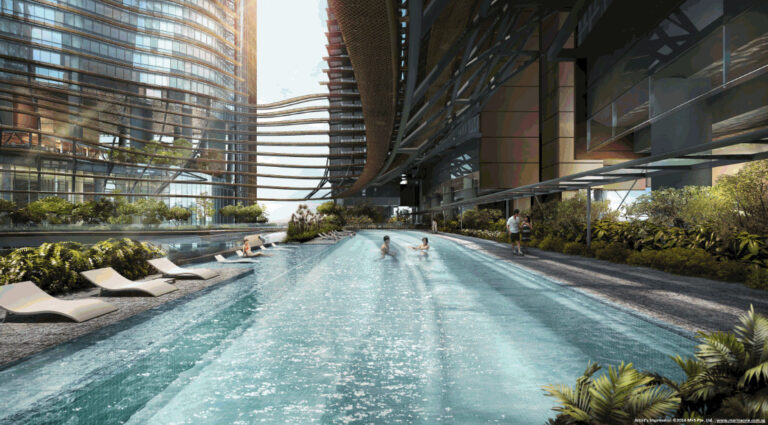
1. Marina Bay Sands, Singapore
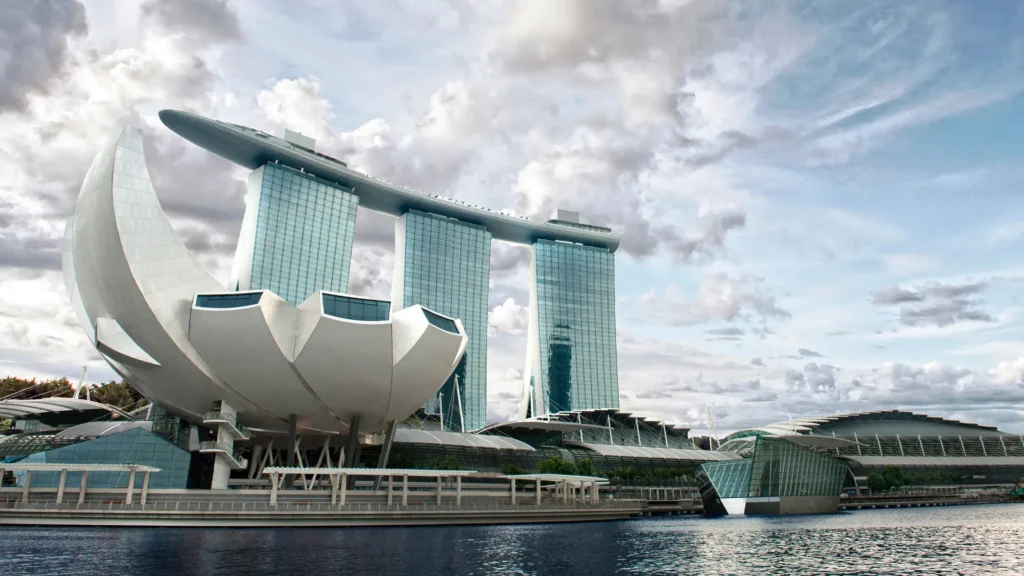
Marina Bay Sands, Singapore – A landmark mixed-use development combining hotels, retail spaces, convention centers, and entertainment facilities. This project demonstrates how property development can create iconic urban landmarks while integrating advanced technology for building management, sustainability, and visitor experience.
2. Canary Wharf, London
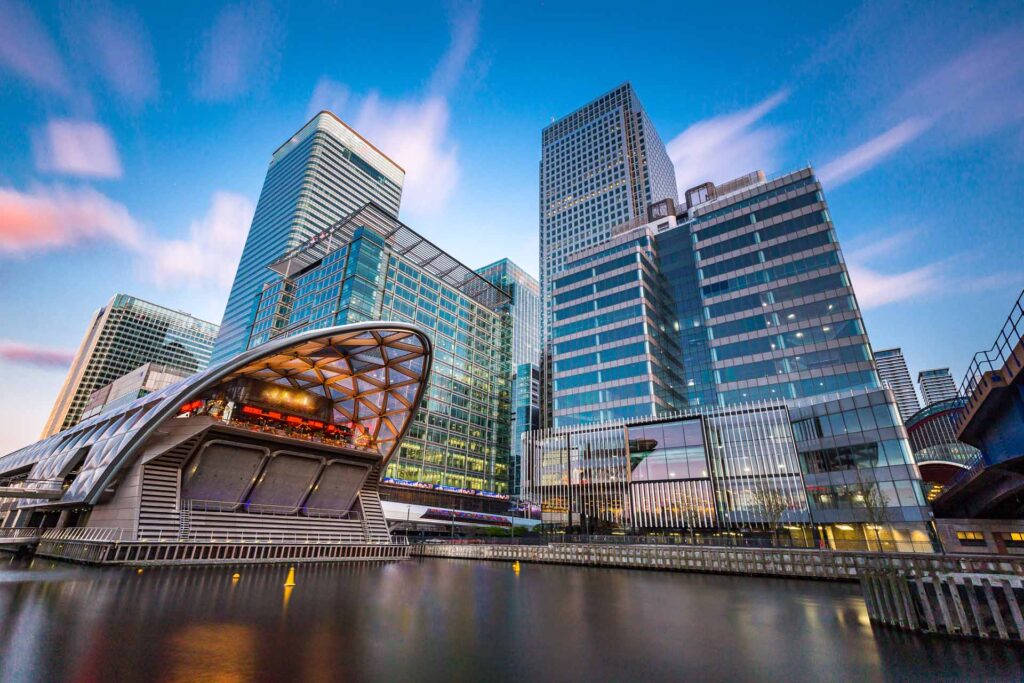
Canary Wharf, London – Originally a docklands redevelopment, Canary Wharf transformed underutilized industrial land into a thriving financial and commercial hub. This project illustrates how strategic property development can revitalize urban areas and attract global investment.
3. Hudson Yards, New York
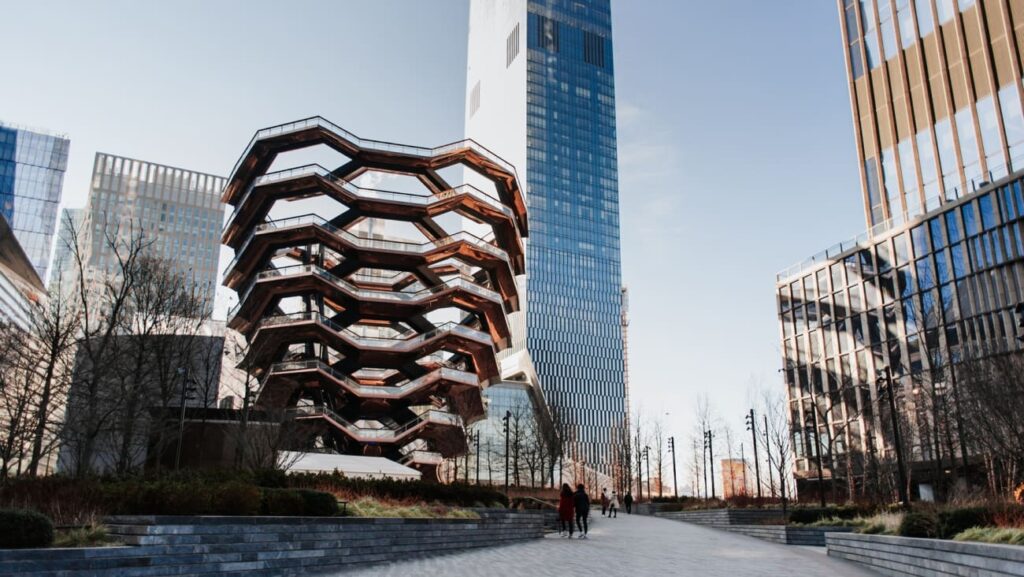
Hudson Yards, New York – One of the largest real estate developments in the U.S., combining luxury residences, offices, retail, and cultural spaces. The project integrates innovative architectural design, smart infrastructure, and community-focused amenities to maximize value and livability.
4. Songdo International Business District, South Korea
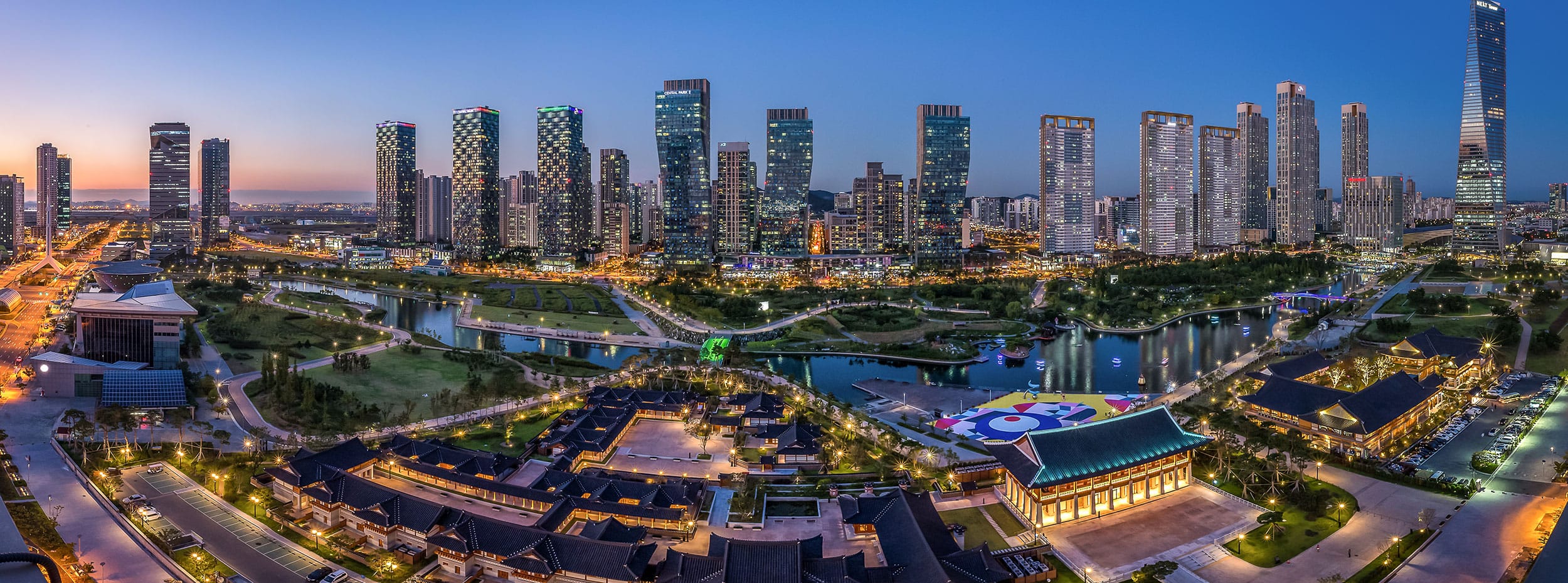
Songdo International Business District, South Korea – A fully planned smart city designed from scratch, emphasizing sustainability and technology integration. This example showcases how property development can create entire urban ecosystems that balance environmental responsibility with economic growth.
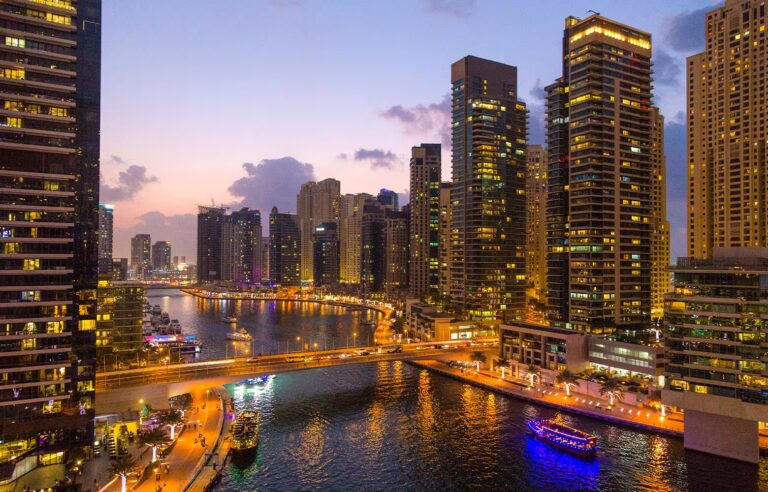
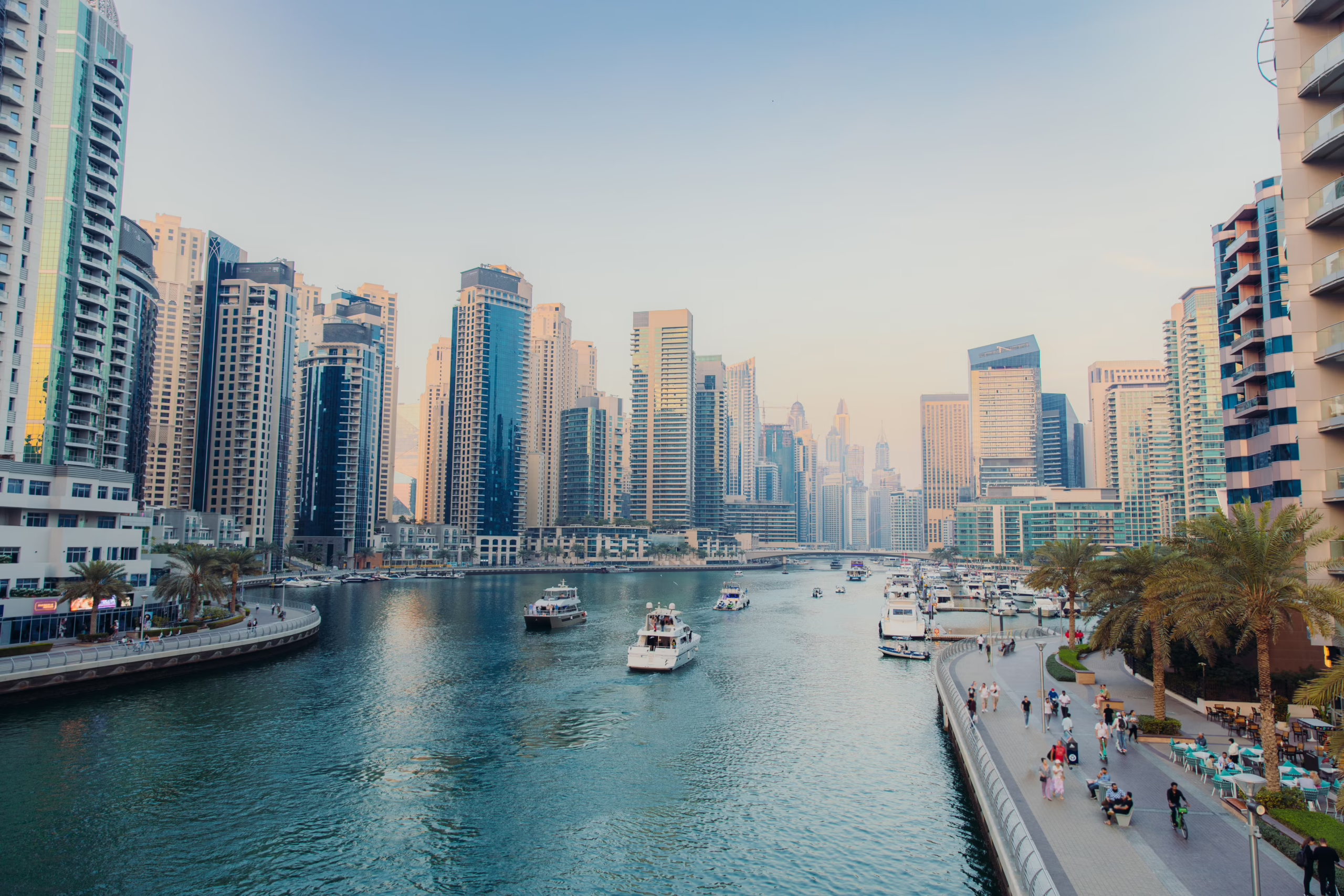
5. Dubai Marina, Dubai
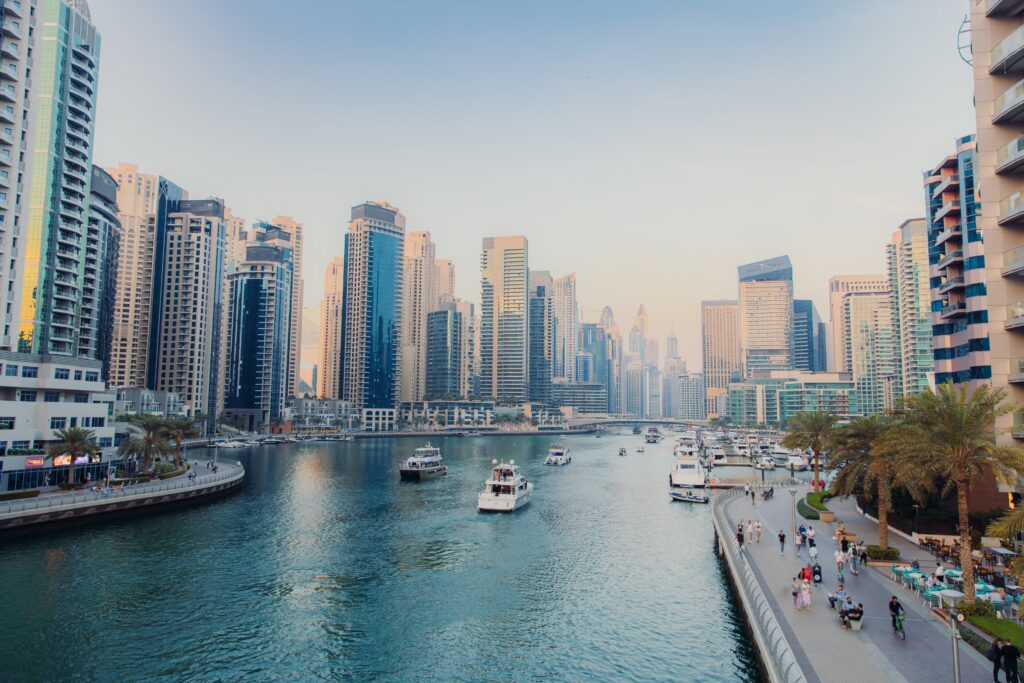
Dubai Marina, Dubai – A waterfront residential and commercial development that transformed reclaimed land into a high-density urban community. Dubai Marina highlights the role of property development in creating desirable urban environments and supporting population growth in metropolitan areas.
Practical Benefits of Property Development
Property development provides tangible benefits for residents, businesses, and investors. Well-planned developments offer modern amenities, sustainable infrastructure, and smart technology that improve safety, comfort, and convenience. Residents enjoy functional layouts, energy efficiency, and access to recreational and retail spaces within close proximity.
For businesses, commercial developments provide advanced infrastructure, flexible office spaces, and opportunities for high visibility and customer engagement. Investors benefit from capital appreciation and rental income potential, particularly when developments are strategically located in growing urban areas or emerging markets.
Real-Life Use Cases
Property development solves real-world challenges such as housing shortages, urban decay, and inefficient land use. Residential developments provide much-needed homes for growing populations, while commercial projects create employment opportunities and support local economies.
Mixed-use developments address urban lifestyle needs by combining work, leisure, and living spaces in a single location. This integration reduces commuting times, encourages community interaction, and fosters sustainable urban growth. Additionally, technology integration enhances safety, energy efficiency, and long-term operational performance, providing practical advantages for both residents and property managers.
Advantages of Modern Property Development
Modern property development creates high-value, functional, and sustainable real estate assets. By leveraging smart technology, environmentally friendly design, and community-focused planning, developers deliver projects that meet contemporary demands while ensuring long-term viability.
These developments also support economic growth, urban revitalization, and improved quality of life. For residents, they offer convenient access to services and amenities, while investors benefit from strong potential returns and asset appreciation. Thoughtfully executed projects foster vibrant, sustainable communities that respond effectively to both present and future urban needs.
FAQs About Property Development
Q1: What is the main purpose of property development?
The main purpose is to transform land or buildings into valuable, functional real estate assets. This includes creating homes, commercial spaces, or mixed-use developments that meet market demand and offer long-term value.
Q2: How does technology impact property development?
Technology improves design, construction, and operational efficiency. Smart building systems, BIM, AI analytics, and 3D modeling streamline project planning, reduce costs, enhance sustainability, and improve occupant experience.
Q3: Why is property development important for cities?
Property development addresses urban challenges like housing shortages, inefficient land use, and underutilized areas. It supports economic growth, revitalizes neighborhoods, and creates vibrant, sustainable communities that enhance residents’ quality of life.