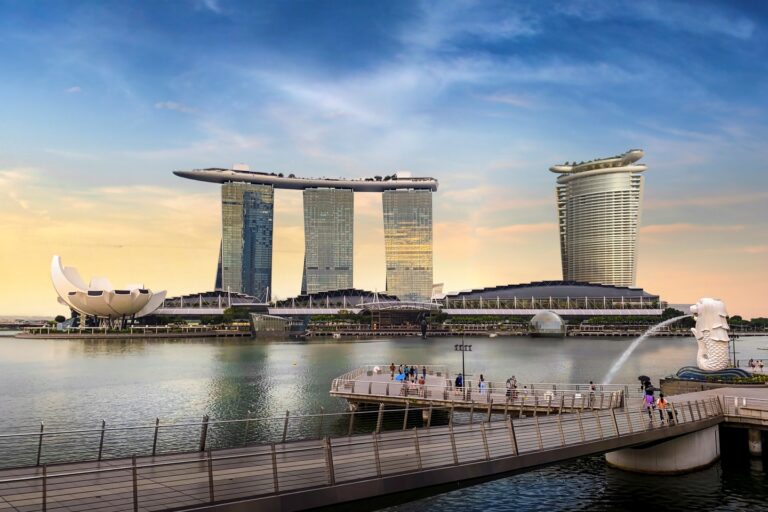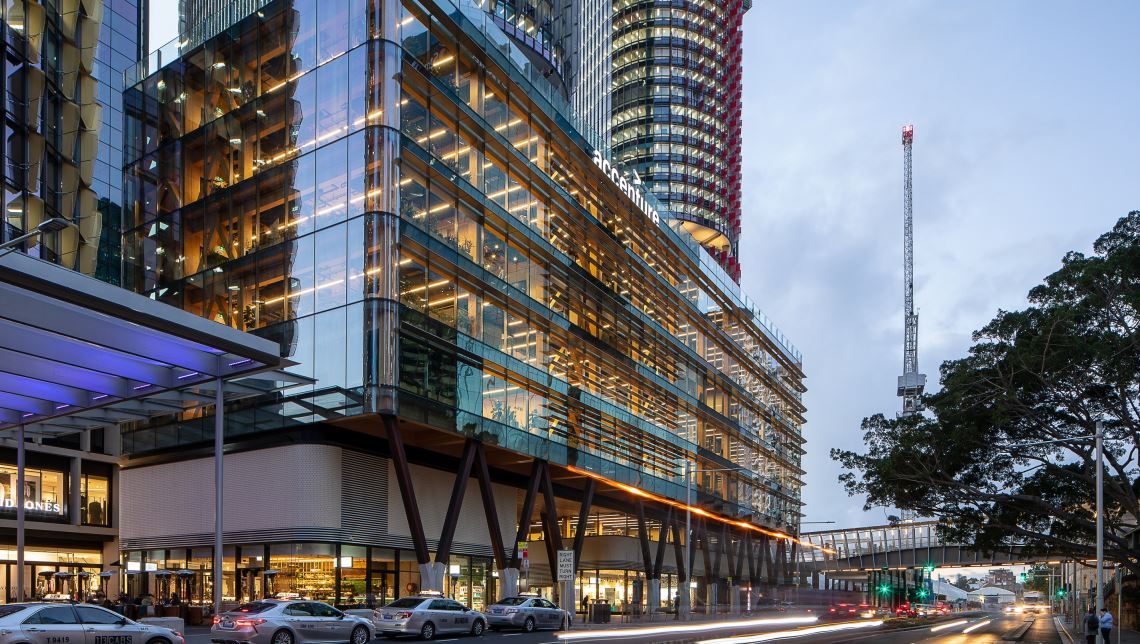
Real Estate Developers In-Depth Insights into Modern Property Projects
Real estate developers are professionals or companies responsible for transforming land and properties into functional and profitable real estate assets. They manage the entire process, from conceptualization and planning to construction and marketing, ensuring that projects meet both market demand and regulatory requirements.
The role of developers extends beyond construction management. They conduct feasibility studies, secure financing, negotiate with contractors, and oversee design implementation. Their goal is to create properties that offer value for investors, end-users, and communities, whether in residential, commercial, or mixed-use sectors.
Key Responsibilities of Real Estate Developers
Real estate developers are involved in every stage of a project. They start by identifying potential sites, analyzing market trends, and evaluating the financial viability of projects. Once a project is approved, developers coordinate with architects, engineers, and contractors to bring the vision to life.
Developers also ensure compliance with local zoning laws, building codes, and environmental regulations. They often negotiate contracts, manage budgets, and oversee marketing strategies to attract buyers or tenants. By balancing risk and opportunity, developers ensure that projects are both sustainable and profitable.
Benefits of Technology for Real Estate Developers
Modern real estate development increasingly relies on technology to streamline planning, construction, and management. Tools such as Building Information Modeling (BIM) and 3D visualization allow developers to plan projects accurately, detect potential issues early, and optimize resource use.
Smart building systems further enhance property value by integrating automated lighting, climate control, and security features. Technology also enables efficient project monitoring, predictive maintenance, and improved communication among teams, reducing costs and timelines while ensuring high-quality outcomes.
Real-World Examples and Use Cases
1. Emaar Properties, Dubai
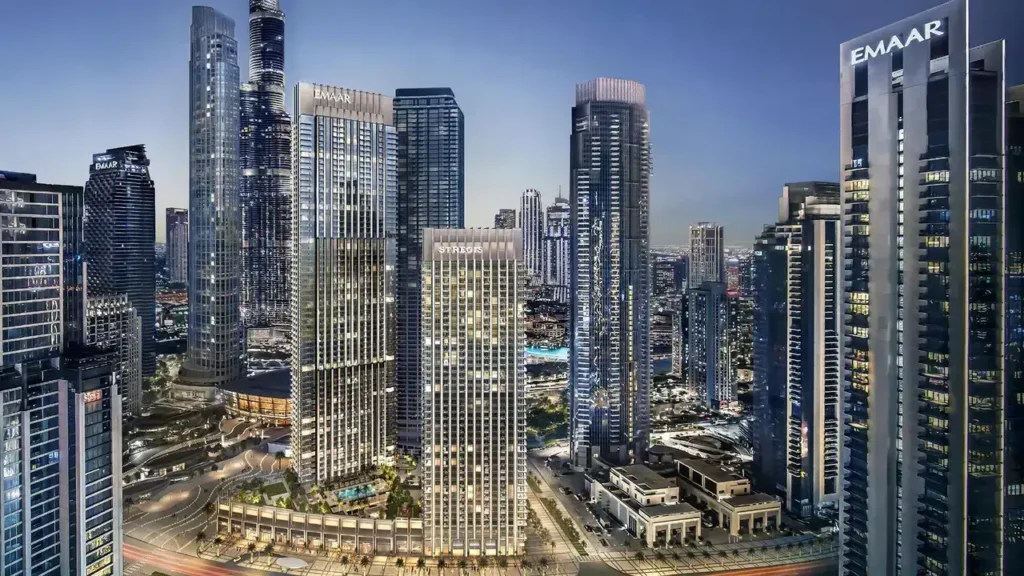
Emaar Properties, Dubai – Known for developing iconic projects like Burj Khalifa and Dubai Marina, Emaar exemplifies how developers create landmark urban spaces. Their projects combine luxury residential, commercial, and entertainment elements, demonstrating the transformative impact developers have on city landscapes.
2. DLF Limited, India
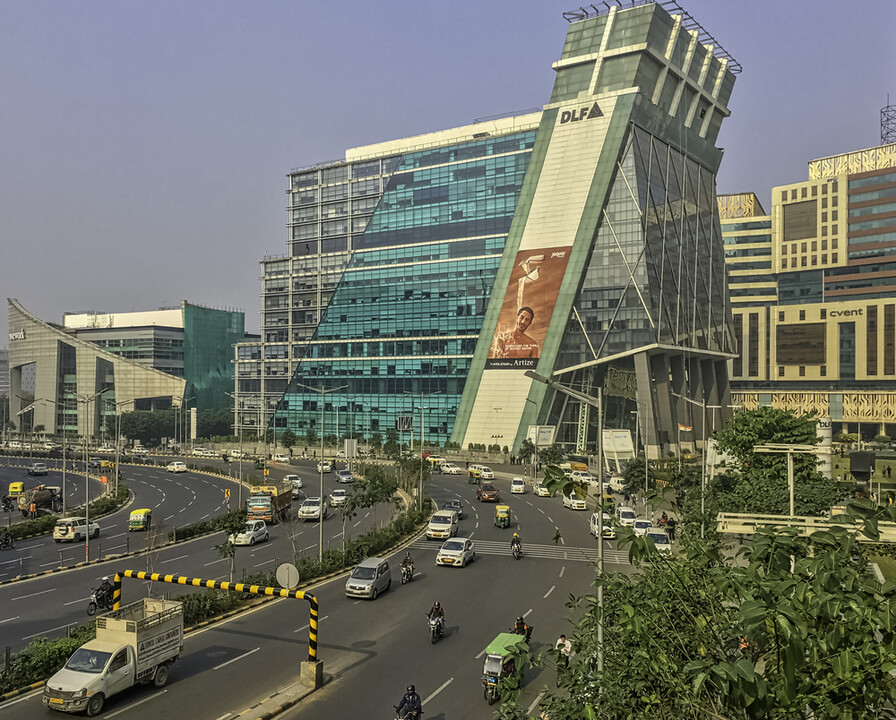
DLF Limited, India – A leading Indian developer, DLF focuses on residential, commercial, and mixed-use projects. Their expertise in large-scale urban developments showcases the role of developers in shaping metropolitan regions and meeting diverse market needs.
3. Hines, USA

Hines, USA – An international real estate development firm specializing in commercial and mixed-use properties. Hines integrates sustainable design, smart building technology, and strategic location planning, reflecting modern approaches to real estate development.
4. CapitaLand, Singapore
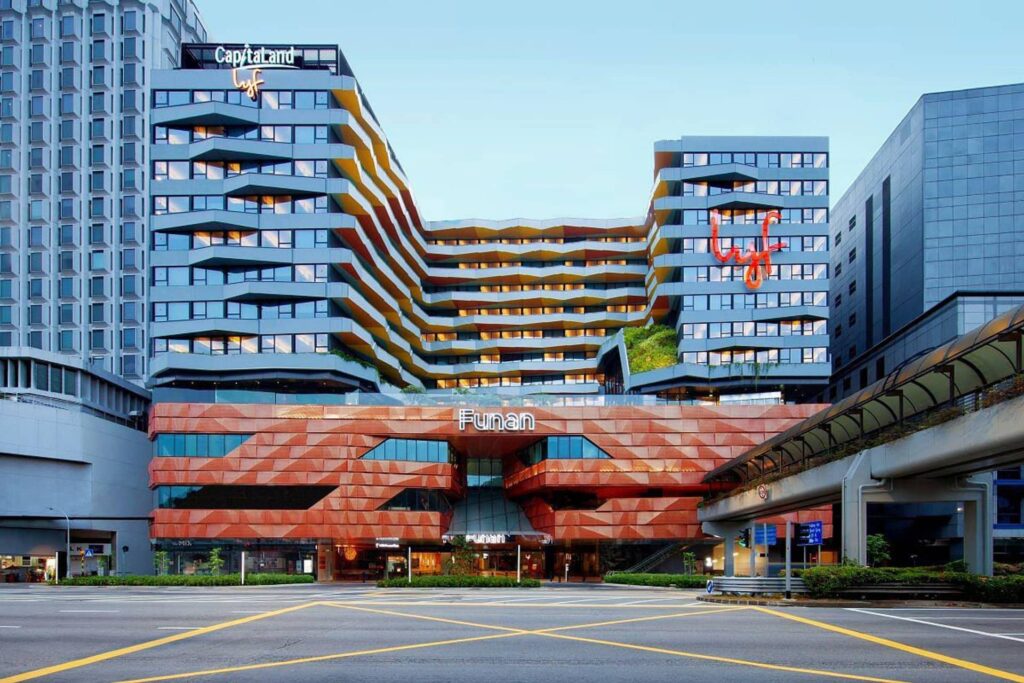
CapitaLand, Singapore – CapitaLand’s projects emphasize sustainable urban living and technology integration. Their mixed-use developments provide residential, commercial, and recreational spaces, highlighting developers’ role in creating comprehensive urban ecosystems.
5. Lendlease, Australia
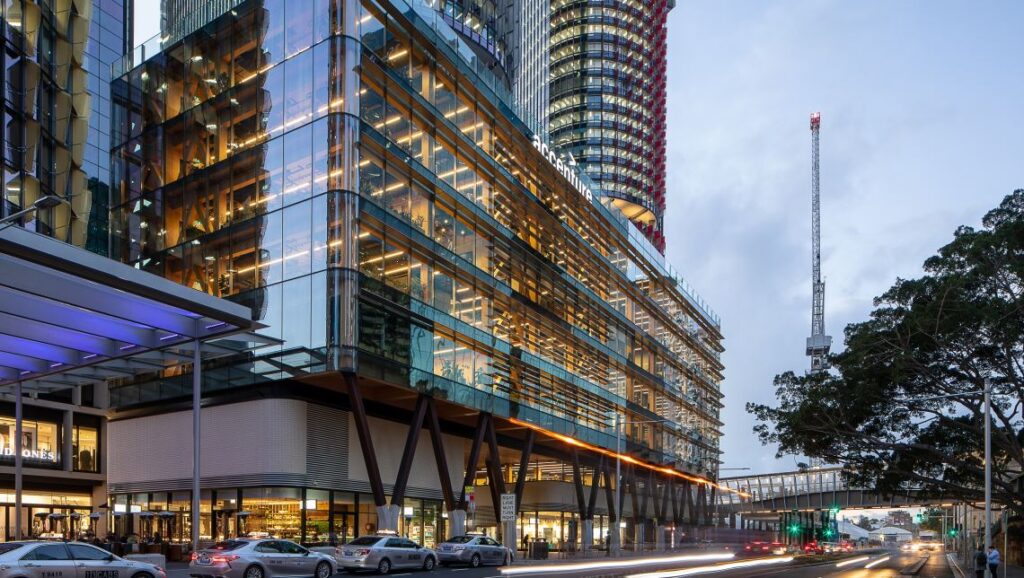
Lendlease, Australia-Known for innovative city-shaping projects, Lendlease focuses on sustainable design, community engagement, and high-quality construction. Their developments illustrate how developers can balance environmental responsibility with economic and social value.
Practical Benefits of Real Estate Developers
Real estate developers provide tangible benefits for both investors and communities. By planning and executing well-designed projects, developers create properties that maximize land use, improve local infrastructure, and offer modern amenities.
For residents and businesses, developer-led projects provide functional, aesthetically appealing, and sustainable environments. Investors benefit from well-managed, high-value properties that offer long-term capital appreciation and potential rental income.
Real-Life Use Cases
Real estate developers solve practical problems such as urban housing shortages, underutilized land, and outdated infrastructure. Residential projects provide safe, modern housing options, while commercial developments create business hubs that stimulate local economies.
Developers also address community needs by integrating recreational spaces, green areas, and mixed-use facilities into their projects. Technology integration ensures that properties are energy-efficient, safe, and convenient, supporting sustainable urban growth and improving residents’ quality of life.
Advantages of Engaging with Skilled Real Estate Developers
Skilled developers bring expertise in design, finance, project management, and technology. They reduce risks by ensuring regulatory compliance, budget management, and strategic planning. Their experience in urban planning and market analysis allows them to create projects that meet long-term demand and generate high returns.
Additionally, developers contribute to economic growth by creating jobs, improving infrastructure, and revitalizing neighborhoods. For end-users, their projects provide modern, convenient, and sustainable living or working environments. Overall, professional developers play a crucial role in shaping thriving, well-planned communities.
FAQs About Real Estate Developers
Q1: What role do real estate developers play in urban development?
Real estate developers transform land and properties into functional, profitable assets. They plan, finance, construct, and manage projects that meet housing, commercial, and community needs.
Q2: How does technology benefit real estate developers?
Technology improves planning, construction, and building management. Tools like BIM, smart building systems, and predictive analytics help developers reduce costs, enhance quality, and create sustainable, efficient properties.
Q3: Why is choosing the right developer important?
Experienced developers ensure projects are high-quality, compliant with regulations, financially viable, and well-integrated into the community. Their expertise reduces risk and enhances long-term property value and usability.