Real Estate Development Complete Guide to Modern Property Projects
Real estate development plays a central role in shaping modern cities, economies, and communities. It goes beyond the simple act of constructing buildings-it involves planning, financing, designing, and managing projects that meet the needs of residential, commercial, and mixed-use markets.
Today, real estate development is no longer about just bricks and mortar. It integrates technology, sustainability, and lifestyle trends to create smarter and more efficient urban spaces. In this article, we’ll explore the concept of real estate development, its benefits, technological integration, real-world examples, and practical use cases that show why it is vital in everyday life.
What Is Real Estate Development?
Real estate development refers to the process of creating, renovating, or improving properties for residential, commercial, industrial, or mixed-use purposes. Developers oversee everything from land acquisition and financing to construction and final sales or leasing.
It is a multidisciplinary industry that involves urban planning, architecture, project management, marketing, and financial strategies. Successful development requires not only building structures but also creating environments that align with market demand, community needs, and sustainable growth.
Key Stages of Real Estate Development
While every project is unique, most real estate development follows a structured process that includes several key stages.
Land Acquisition and Planning
The development process begins with securing land in a strategic location. Developers analyze zoning laws, environmental impact, and accessibility before moving forward.
Financing and Investment
Securing funding is essential. Developers rely on investors, banks, or private equity to raise capital. Strong financial planning ensures a project’s long-term viability.
Design and Approval
Architects, engineers, and planners design the project while ensuring it complies with building codes. Government approvals and permits are obtained before construction begins.
Construction and Project Management
This is the most visible phase. Developers coordinate with contractors to ensure timely completion, safety compliance, and quality standards.
Marketing and Sales/Leasing
Once completed, the property is marketed to buyers or tenants. Developers focus on positioning the project as a valuable investment or living solution.
Benefits of Real Estate Development
Real estate development delivers broad benefits for individuals, communities, and economies.
Economic Growth
New developments create jobs, attract investment, and increase property tax revenue, supporting local and national economies.
Urban Renewal
Real estate projects often revitalize neglected areas, transforming them into thriving neighborhoods with improved infrastructure and amenities.
Housing Solutions
Development helps address housing shortages by creating residential units in areas with growing populations.
Community Amenities
Modern projects include schools, parks, shopping centers, and healthcare facilities, enhancing residents’ quality of life.
Increased Property Value
New developments uplift surrounding areas, driving appreciation in property values and long-term investment potential.
Real-World Examples of Real Estate Development
To understand how real estate development works in practice, let’s look at real-world examples of notable projects around the world.
1. Hudson Yards (New York City, USA)
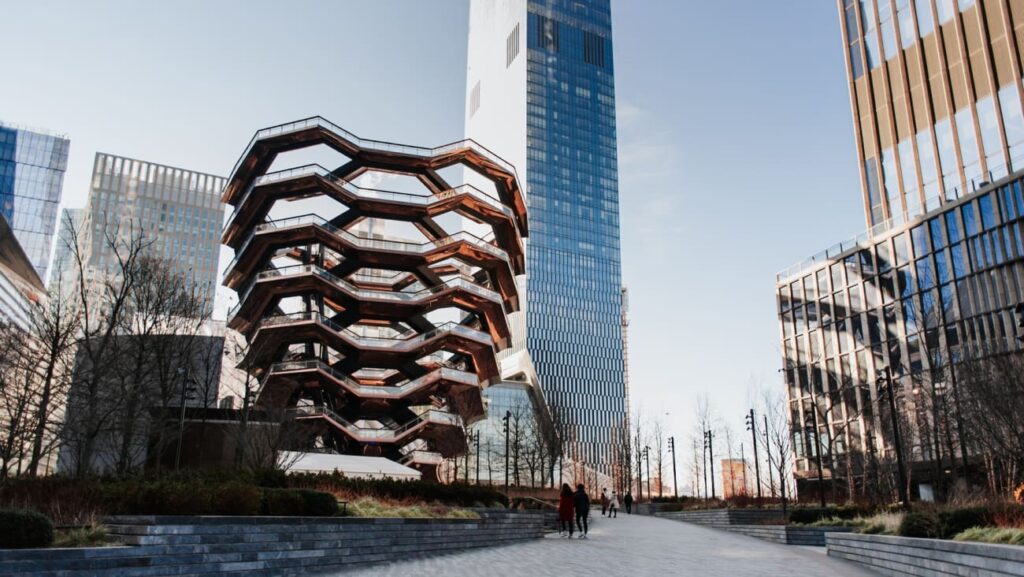
Hudson Yards is one of the largest private real estate developments in the U.S. This $25 billion mixed-use project features office towers, luxury condos, shopping malls, public spaces, and cultural venues.
The project demonstrates how large-scale development can transform an underutilized area into a thriving urban hub. Hudson Yards has redefined Manhattan’s west side and created thousands of jobs while attracting global attention.
2. King’s Cross Redevelopment (London, UK)
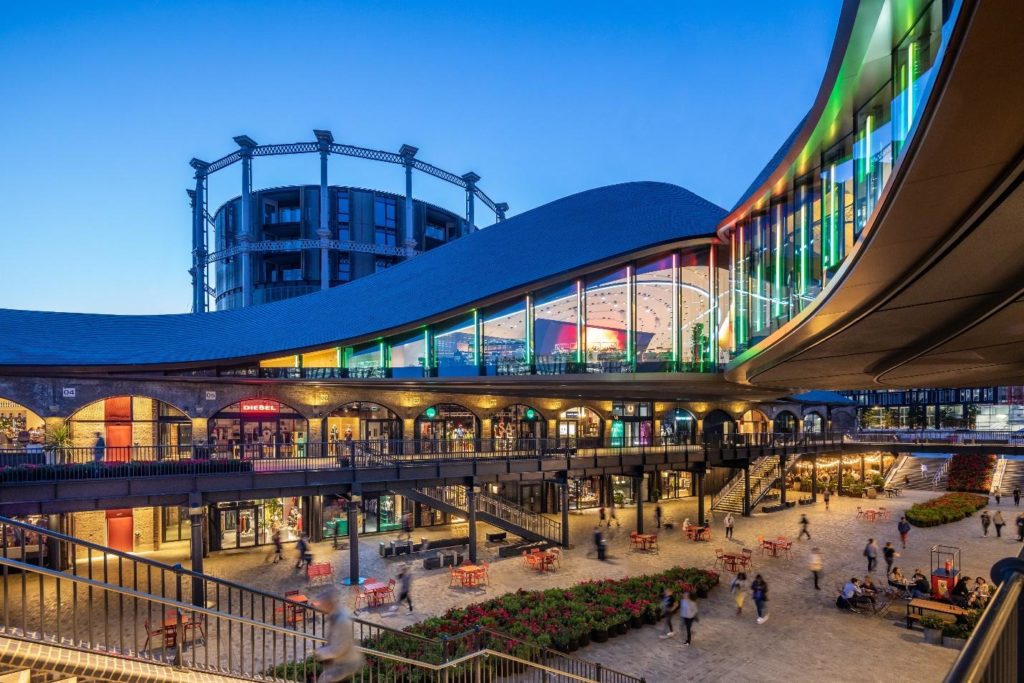
King’s Cross is a prime example of urban renewal. Once an industrial and railway district, it has been redeveloped into a mixed-use community with residential units, corporate offices, cultural spaces, and educational institutions.
The project highlights the role of development in preserving heritage while integrating modern architecture. It has attracted major companies, including Google, which is building its headquarters there.
3. Marina Bay Sands Development (Singapore)
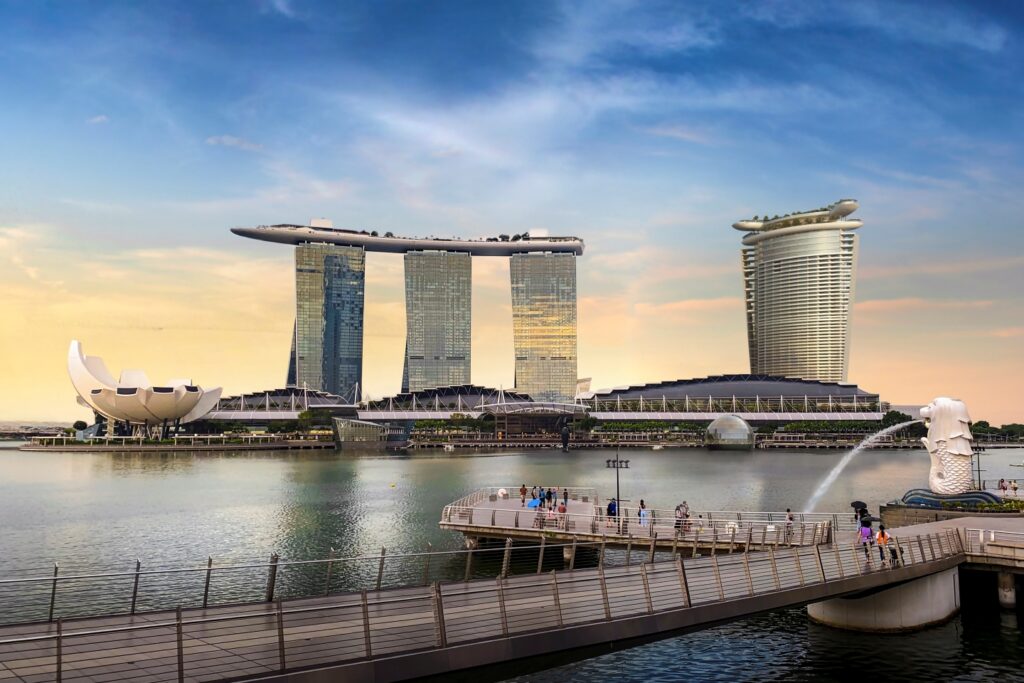
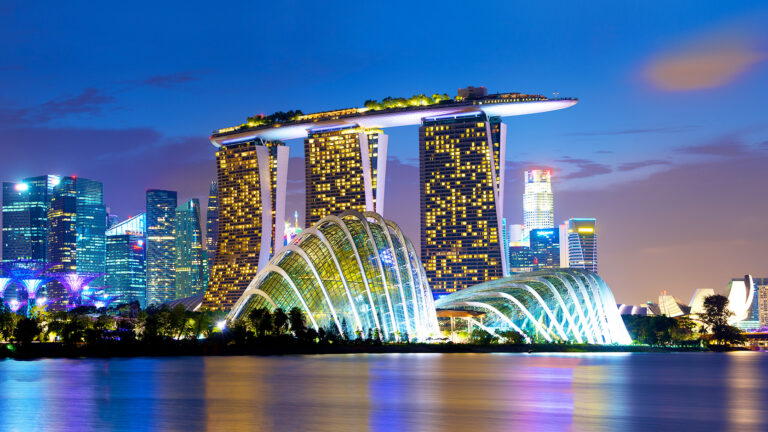
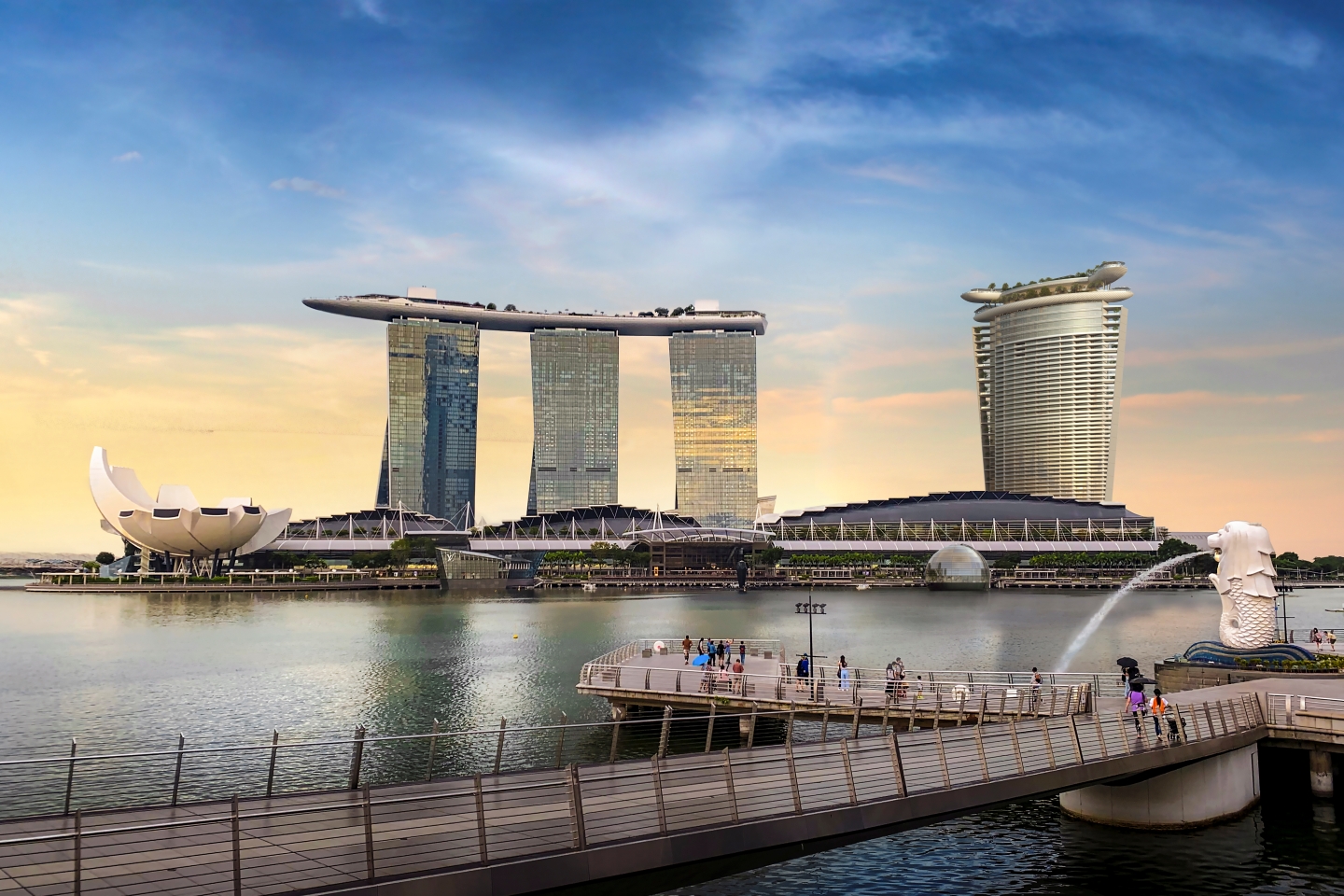
Marina Bay Sands is an iconic integrated resort combining hospitality, retail, entertainment, and business spaces. Its unique architecture and large-scale planning have made it a landmark of Singapore’s skyline.
This development illustrates how innovative real estate projects can boost tourism, business activity, and international recognition for a city.
4. Songdo International Business District (South Korea)
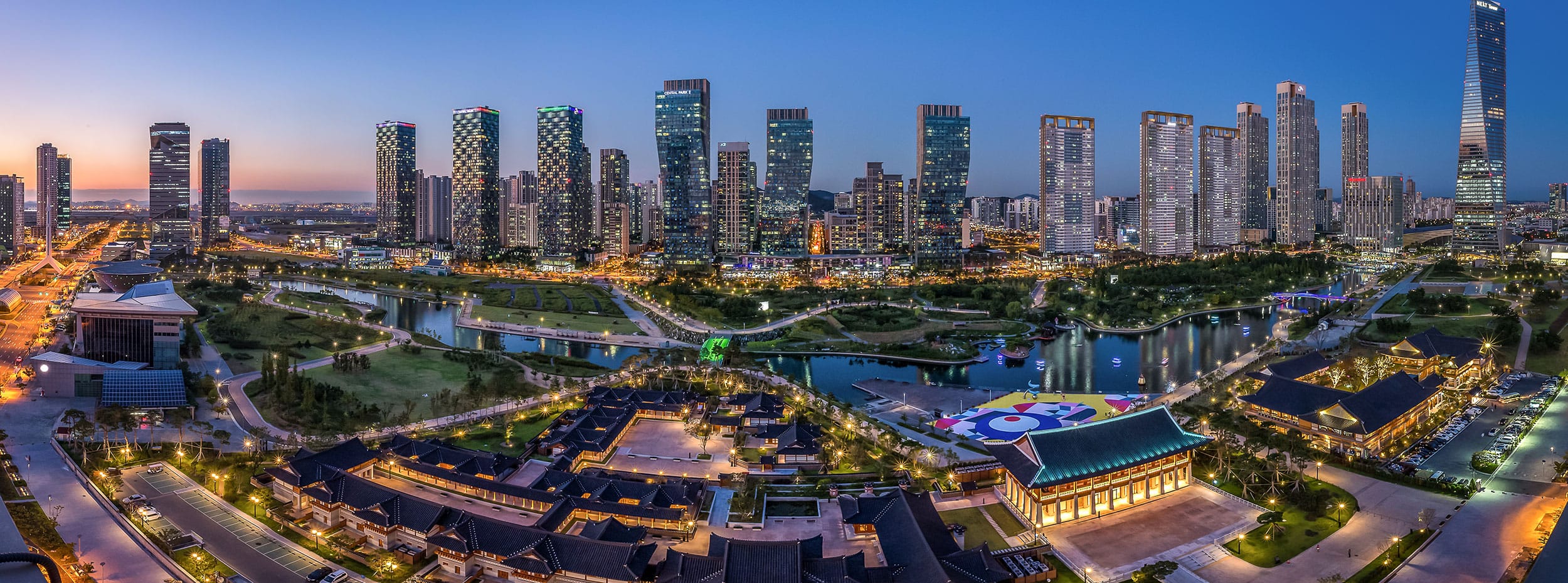
Songdo is a smart city built from scratch near Incheon. It features sustainable infrastructure, smart technology integration, and modern residential and commercial spaces.
It stands as a futuristic model of real estate development that combines technology, green living, and global connectivity.
Technology in Real Estate Development
Technology has revolutionized how developments are planned, executed, and managed.
Smart Building Technology
Developers now integrate IoT-enabled devices, smart meters, and automated systems for energy efficiency and convenience.
Building Information Modeling (BIM)
BIM allows developers to create detailed 3D models, improving collaboration, reducing errors, and optimizing costs during construction.
Sustainable Construction Practices
Developments increasingly use eco-friendly materials, renewable energy, and water conservation systems to align with green building standards.
Virtual and Augmented Reality
VR and AR help investors and buyers visualize projects before completion, improving decision-making and sales efficiency.
PropTech Integration
Property technology platforms streamline property management, leasing, and tenant engagement, enhancing the overall experience for both developers and residents.
Use Cases of Real Estate Development
Addressing Housing Shortages in Cities
With urban populations growing rapidly, real estate development provides compact and affordable housing, reducing overcrowding and informal settlements.
Creating Business Hubs
Commercial developments attract corporations, startups, and entrepreneurs, fueling innovation and economic growth.
Enhancing Tourism and Culture
Mixed-use projects with entertainment and cultural venues attract tourists and improve local economies.
Promoting Sustainability
Green developments reduce environmental impact, lower utility costs, and create healthier living environments.
Improving Community Living
By including schools, healthcare facilities, and recreational areas, developments ensure communities are well-rounded and self-sustaining.
Why Real Estate Development Matters in Everyday Life
Real estate development is not just about buildings-it shapes how people live, work, and interact. It provides the spaces where families grow, businesses thrive, and communities connect. Without strategic development, cities would struggle to accommodate expanding populations, adapt to technological change, and remain competitive globally.
Frequently Asked Questions
Q1. What are the main types of real estate development?
The main types include residential, commercial, industrial, and mixed-use developments. Each serves different purposes, from housing people to supporting businesses and industries.
Q2. How does real estate development impact local communities?
It impacts communities by creating jobs, improving infrastructure, and increasing property values. However, it can also raise concerns about affordability and displacement, which developers must address responsibly.
Q3. What role does technology play in real estate development?
Technology enhances design, sustainability, and management. Tools like BIM, smart building systems, and PropTech platforms make developments more efficient, eco-friendly, and aligned with modern lifestyles.