Retirement Homes A Complete Guide to Modern Senior Living Options and Benefits
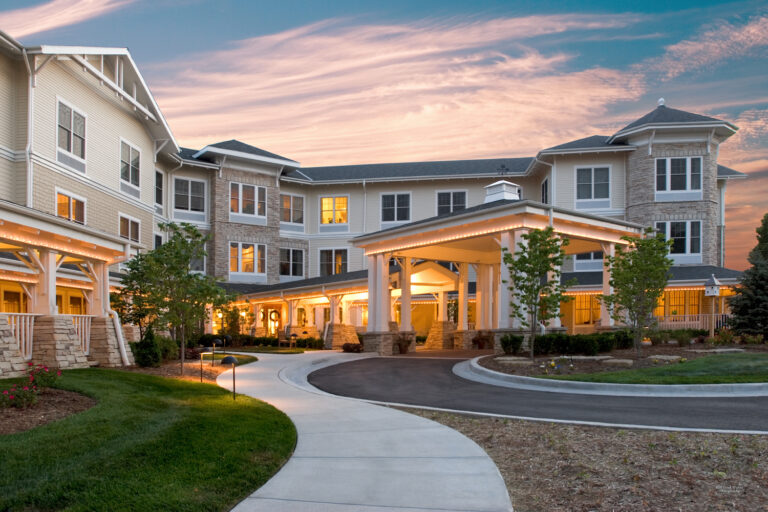
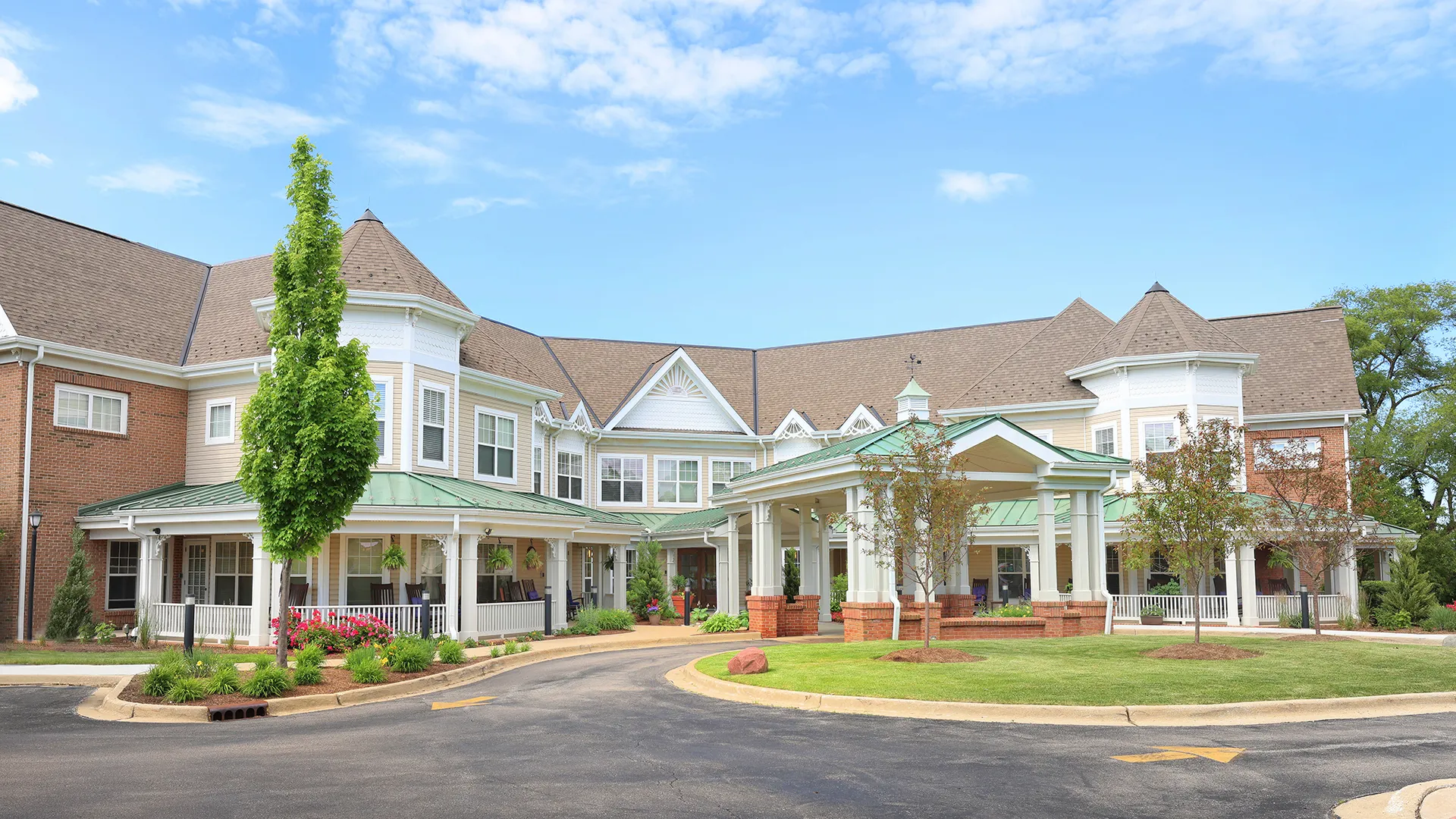
Retirement homes are residential communities designed for seniors who want to live independently while having access to assistance, healthcare, and social opportunities when needed. Unlike traditional nursing homes that focus primarily on medical care, modern retirement homes are built to provide a blend of comfort, independence, safety, and lifestyle enrichment.
These homes are structured to meet varying needs, ranging from fully independent living arrangements to more supportive environments that offer personalized care. With an aging global population, retirement homes have become a crucial solution for seniors and their families seeking peace of mind, safety, and enhanced quality of life.
Types of Retirement Homes
Retirement homes are not a one-size-fits-all solution. They come in different types, each catering to specific levels of independence, medical care, and lifestyle preferences.
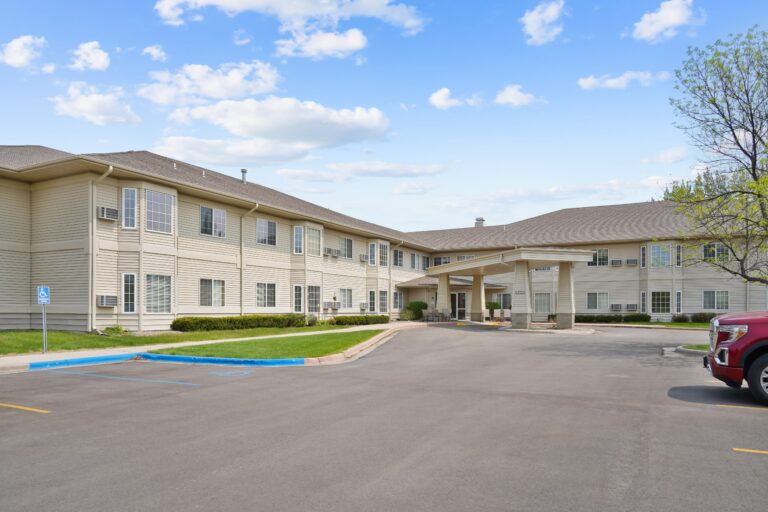
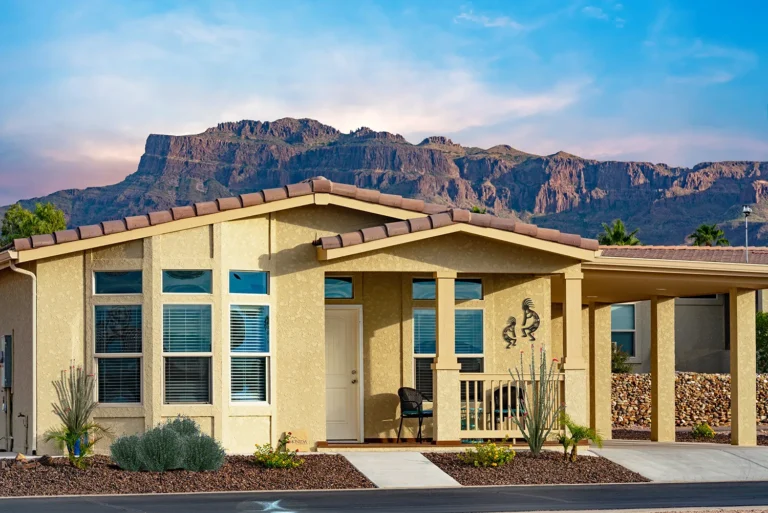
Independent living communities are best suited for active seniors who require minimal assistance but want to live in a community with shared amenities and services. Assisted living facilities, on the other hand, provide support for seniors who need help with daily activities such as bathing, dressing, or medication management. Continuing care retirement communities (CCRCs) combine both worlds, allowing seniors to transition smoothly as their care needs change.
By understanding these variations, families can make better decisions that align with the specific needs of their loved ones.
Real-World Examples of Retirement Homes
1. Sunrise Senior Living
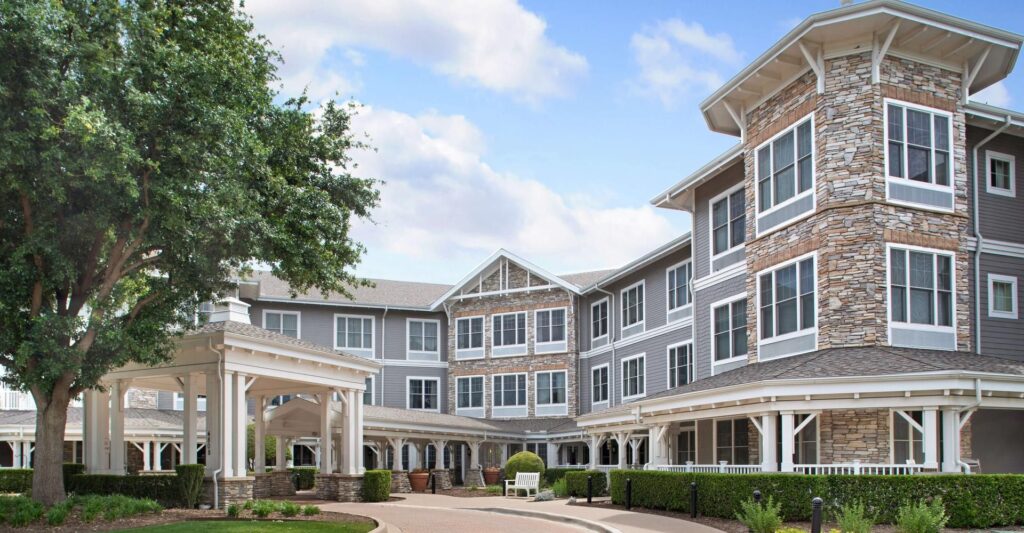
Sunrise Senior Living is one of the most recognized retirement home providers worldwide. Known for its personalized approach, it offers both independent and assisted living options. Their communities focus heavily on creating homelike environments, with open communal spaces, wellness programs, and individualized care plans.
What makes Sunrise significant is its dedication to social engagement and memory care. Seniors are encouraged to participate in group activities, from art classes to fitness programs, ensuring mental and physical stimulation. For families, this provides reassurance that their loved ones are both cared for and thriving in a vibrant environment.
2. Brookdale Senior Living

Brookdale Senior Living operates numerous retirement communities across the United States. With specialized facilities for memory care, assisted living, and independent living, Brookdale emphasizes providing continuity of care for seniors at every stage of aging.
Their communities often feature wellness programs, dining experiences, and recreational opportunities tailored to individual preferences. Brookdale stands out because of its scale and ability to provide consistent, high-quality services across different locations, making it an appealing choice for families seeking reliable retirement options.
3. Atria Senior Living
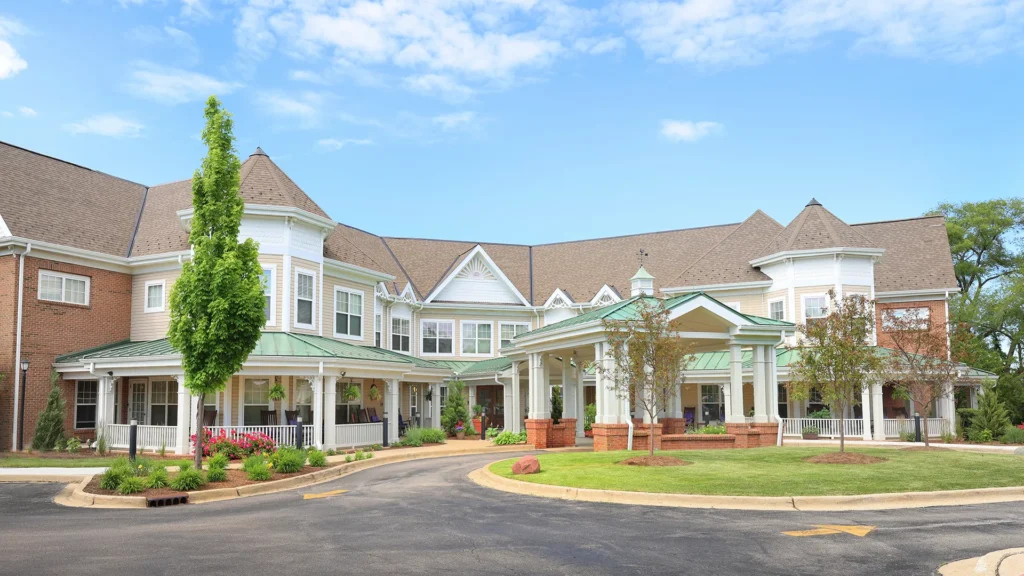
Atria Senior Living is known for blending modern lifestyle conveniences with supportive care. Their communities often feature luxurious amenities such as wellness centers, chef-prepared meals, and cultural enrichment programs.
What sets Atria apart is its commitment to fostering independence while offering 24/7 support when needed. Seniors benefit from a lifestyle that encourages personal growth, creativity, and continued learning, which is crucial for maintaining overall well-being.
4. Continuing Care Communities (CCRCs)
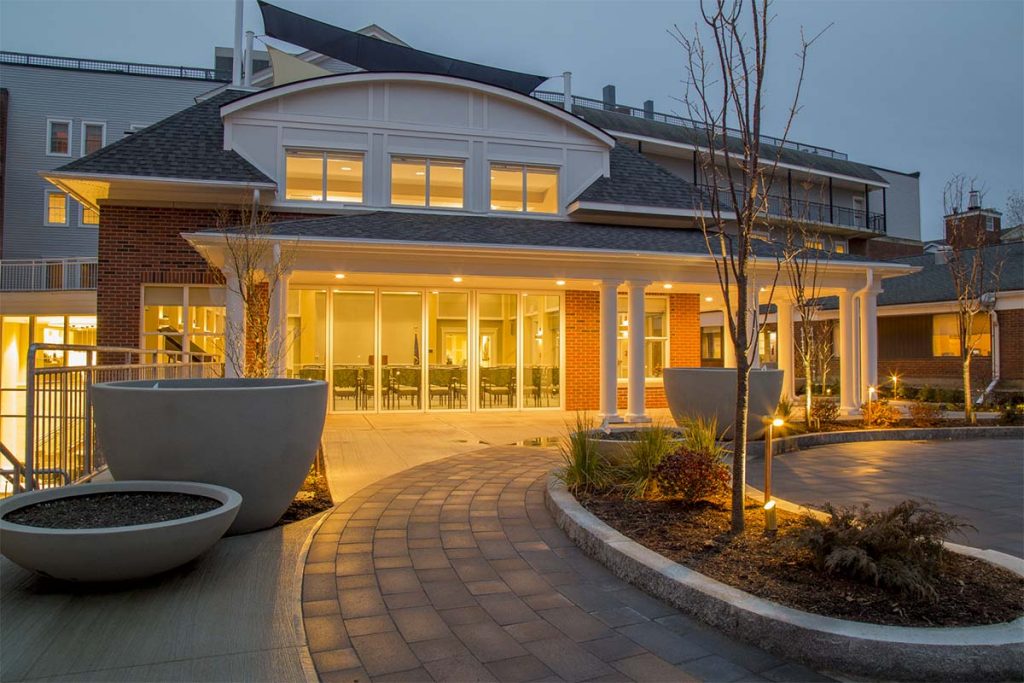
CCRCs represent a unique model of retirement living that allows seniors to remain in one community while receiving progressively increasing levels of care. Residents can start in an independent living unit, then transition to assisted living or skilled nursing care as their health needs evolve.
This model provides peace of mind to families and seniors alike, ensuring that relocation isn’t required as circumstances change. CCRCs emphasize stability, security, and long-term planning, making them a highly practical choice.
Benefits of Retirement Homes
Retirement homes provide a wide range of benefits that go beyond accommodation. One of the most important advantages is safety. With 24/7 staff availability, medical alert systems, and accessible infrastructure, seniors are protected in case of emergencies.
Social connection is another major benefit. Many seniors experience loneliness when living alone, but retirement homes encourage community engagement through group activities, events, and communal dining. This reduces isolation and promotes mental health.
Furthermore, retirement homes often include wellness programs, fitness classes, and nutritional support, allowing seniors to maintain a healthier lifestyle. Families also benefit from peace of mind, knowing their loved ones are in a secure and supportive environment.
The Role of Technology in Retirement Homes
Technology is playing an increasingly critical role in modern retirement homes. Smart monitoring systems can track health indicators such as heart rate, blood pressure, and sleep quality, alerting staff to potential issues before they become emergencies.
Additionally, virtual communication platforms allow seniors to stay connected with their families through video calls and digital events. Automated medication dispensers ensure residents don’t miss important doses, while security systems powered by AI help maintain safety.
These innovations not only enhance the quality of care but also empower seniors to retain independence longer.
Practical Use Cases of Retirement Homes
Retirement homes solve several real-world challenges faced by seniors and their families. For example, an elderly individual who has mobility issues but wishes to maintain independence benefits greatly from an assisted living facility. Here, daily tasks such as bathing or housekeeping are supported, while independence is preserved.
Families often struggle with ensuring their loved ones’ safety at home. Retirement homes provide a solution with 24/7 care and emergency response systems. Seniors who feel socially isolated find renewed purpose in these communities, where they can engage in meaningful relationships and activities.
Retirement homes also offer reassurance during health crises. With access to medical professionals, seniors receive prompt attention, reducing hospitalization risks. This makes retirement homes not just a lifestyle choice but also a preventive healthcare solution.
Frequently Asked Questions
Q1. What is the difference between a retirement home and a nursing home?
Retirement homes focus on lifestyle, independence, and social opportunities with varying levels of care, while nursing homes primarily provide intensive medical and nursing support for individuals with serious health conditions.
Q2. How do retirement homes support seniors with memory issues?
Many retirement homes, especially assisted living communities, provide specialized memory care programs. These include secure environments, therapeutic activities, and trained staff to support individuals with Alzheimer’s or dementia.
Q3. Are retirement homes only for wealthy individuals?
Not necessarily. While some luxury retirement homes offer premium services, there are also affordable communities that provide essential care, safety, and social engagement. Costs depend on location, amenities, and level of care required.