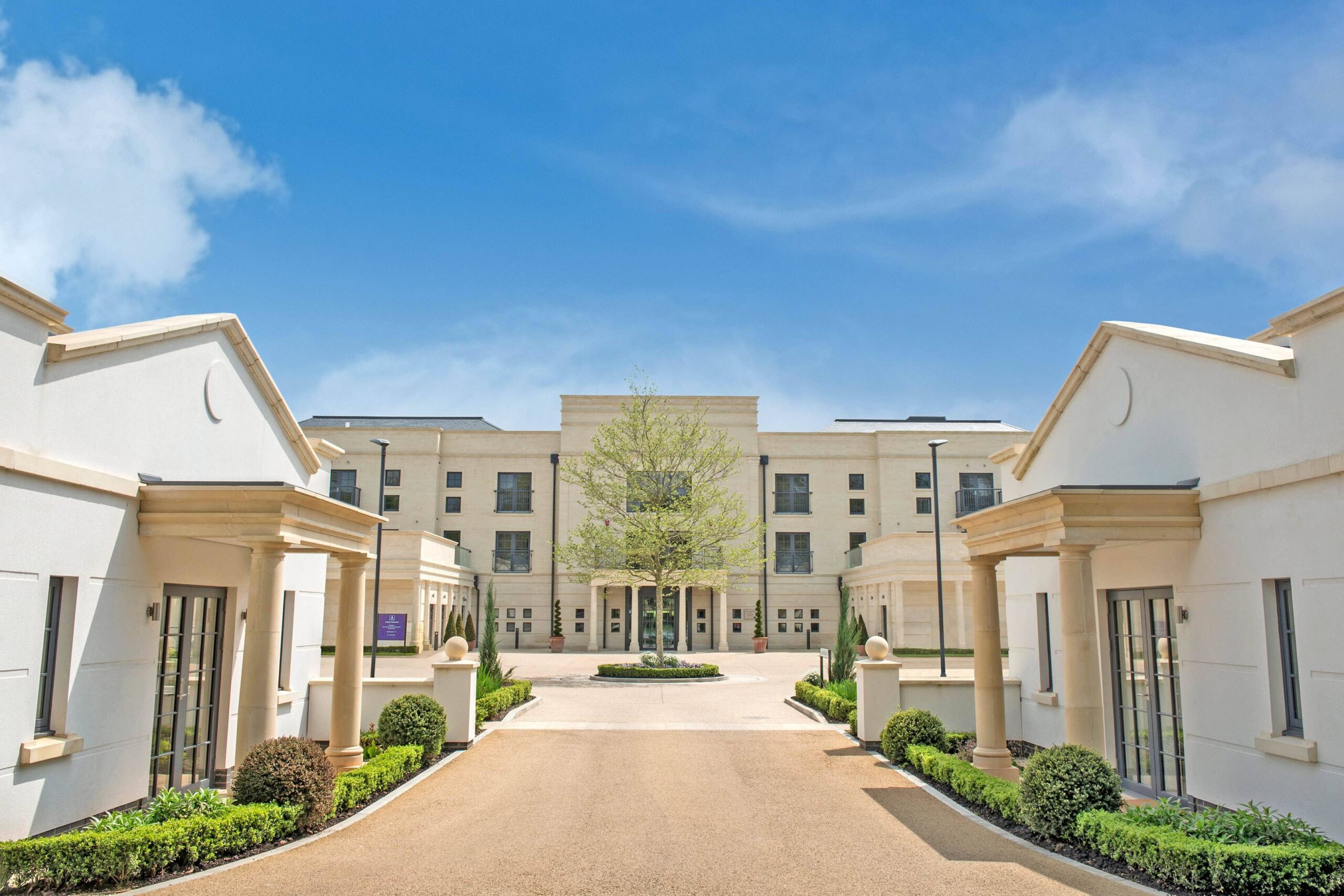
Retirement Villages A Complete Guide to Modern Senior Living
Retirement villages have become one of the most popular housing choices for older adults seeking community, comfort, and independence. These villages are designed to provide not just accommodation, but also lifestyle benefits, healthcare access, and opportunities for social connection. With the aging population increasing globally, retirement villages are evolving to meet diverse needs, offering everything from active lifestyle communities to specialized care environments.
In this guide, we will explore what retirement villages are, their benefits, real-world examples, and how they are transforming the way seniors experience retirement living.
What Are Retirement Villages?
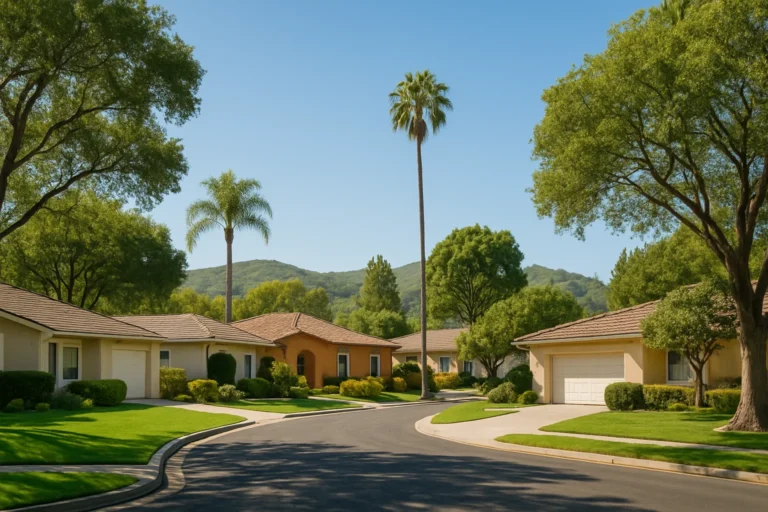
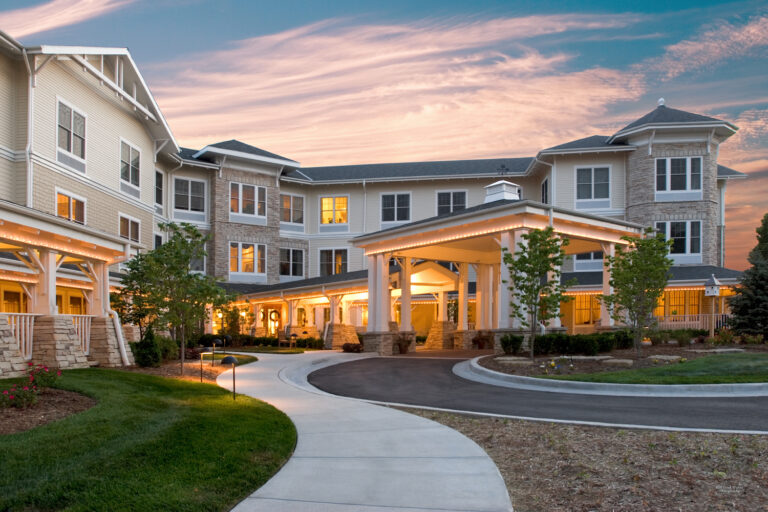
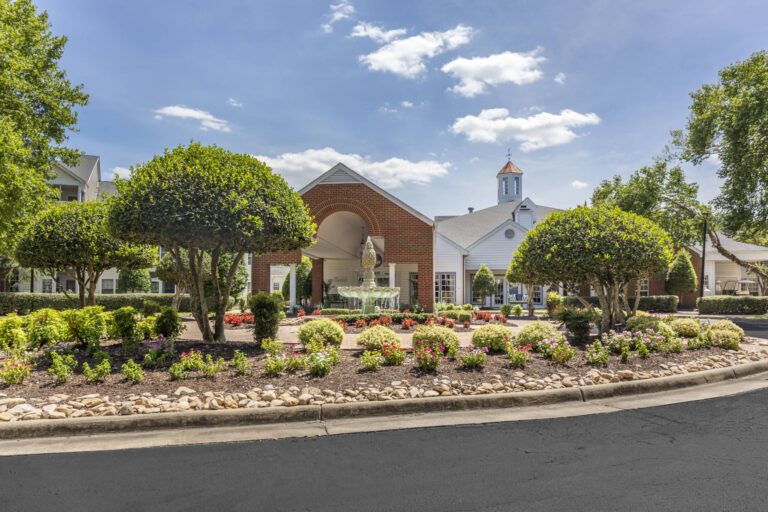
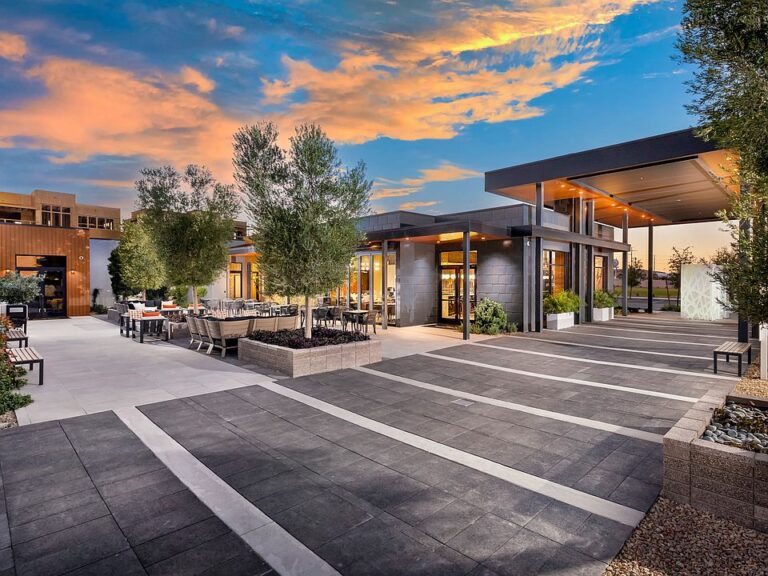
Retirement villages are residential communities designed specifically for older adults, typically aged 55 and above. Unlike traditional housing, these villages offer a blend of private living spaces along with shared facilities and services. Residents often enjoy independent living while having access to on-site healthcare, recreation, and support services.
These villages are not the same as nursing homes. Instead of focusing solely on medical care, they emphasize lifestyle and well-being. Retirement villages can range from simple, affordable housing with shared amenities to luxury communities with golf courses, spas, and concierge services. The goal is to provide a safe, vibrant, and supportive environment that enhances quality of life during retirement.
Why Retirement Villages Are Becoming Popular
The rise can be attributed to several key trends. First, the global senior population is growing rapidly, and with longer life expectancies, there’s increasing demand for environments that promote both independence and care. Secondly, many older adults prefer to live in communities where they can engage socially, access facilities conveniently, and feel secure.
Retirement villages are particularly appealing because they allow individuals to downsize from larger family homes while still maintaining autonomy. They also give peace of mind to families, knowing their loved ones live in safe, community-driven environments with medical support if needed.
Benefits of Retirement Villages
Retirement villages offer a wide range of benefits that go beyond simple housing. These advantages make them a desirable option for seniors planning their next stage of life.
Enhanced Social Connection
Living in a retirement village helps reduce loneliness and isolation, which are common issues among seniors. With shared spaces, clubs, and community activities, residents can easily build friendships and stay socially engaged.
Access to Healthcare and Support Services
Many retirement villages integrate healthcare services within the community. This may include on-site medical staff, wellness centers, and emergency assistance systems, ensuring residents have peace of mind about their health.
Lifestyle and Recreation Opportunities
From fitness classes to hobby clubs, retirement villages often provide structured activities that keep residents active and engaged. Access to gyms, swimming pools, libraries, and walking trails enhances the quality of daily living.
Safety and Security
Most retirement villages have enhanced safety features such as gated access, 24/7 security, and emergency call systems. This ensures seniors feel secure while enjoying independence.
Downsizing and Low Maintenance Living
Residents no longer need to worry about maintaining a large family home. Most retirement villages provide maintenance services, allowing seniors to enjoy a more stress-free lifestyle.
Real-World Examples of Retirement Villages
To better understand how they function, let’s look at some real-world examples that showcase their diversity and innovation.
1. Del Webb Communities (USA)
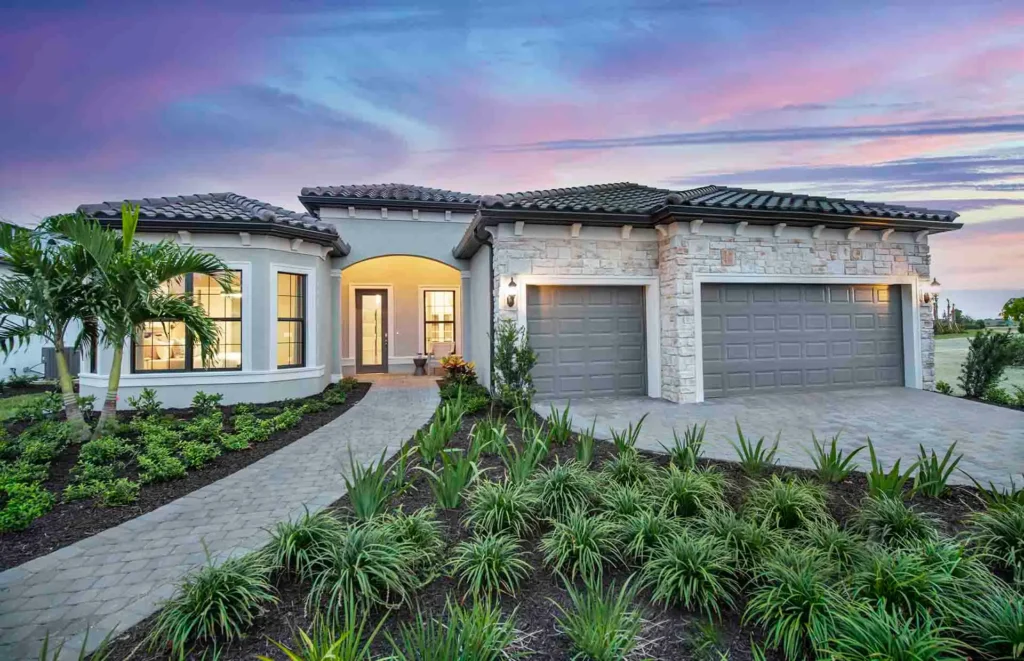
Del Webb is one of the most recognized names in retirement living across the United States. Their villages focus on active lifestyles for adults 55 and older. Each community offers modern housing designs alongside golf courses, fitness centers, and organized clubs.
Residents enjoy a balance of privacy with access to communal activities. These communities are particularly appealing to retirees who want to maintain an active and social lifestyle while having the reassurance of a secure environment.
2. Audley Villages (UK)
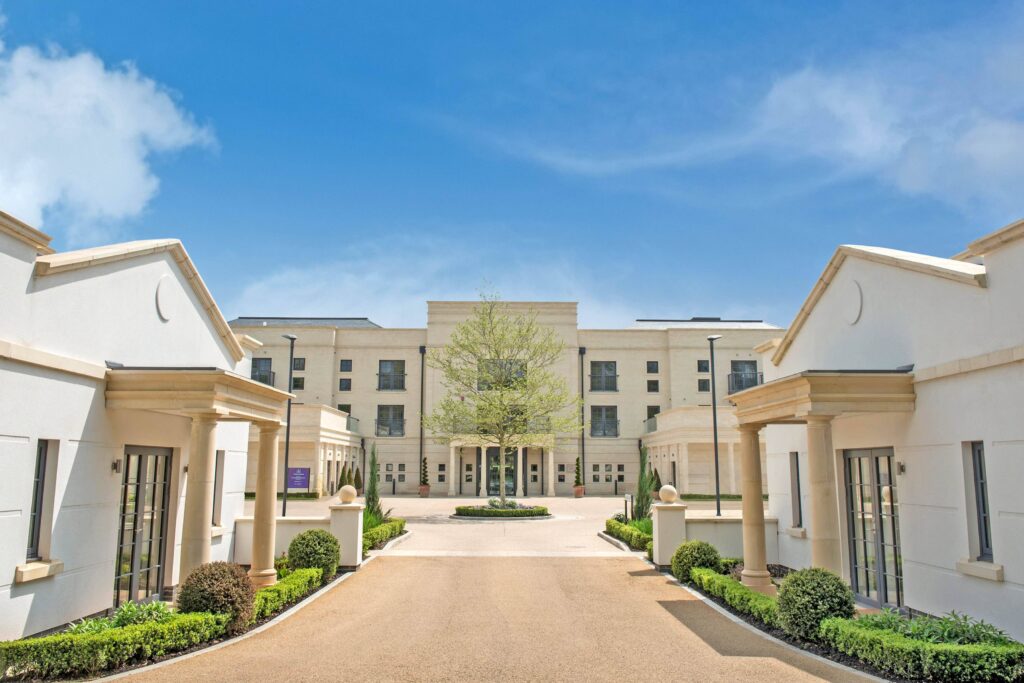
Audley Villages are known for combining luxury with healthcare support. These are built in scenic locations across the UK, offering high-end apartments with access to spas, restaurants, and cultural programs.
Unlike standard retirement communities, Audley Villages also provide on-demand healthcare and personal care services, making them ideal for those who want both independence and medical reassurance. Their model represents how we are blending luxury living with practical support.
3. Aveo Retirement Villages (Australia)

Aveo operates one of the largest networks in Australia. Their communities are designed for a broad range of retirees, offering everything from affordable housing to premium lifestyle options.
What sets Aveo apart is its focus on healthcare integration. They provide access to aged care services within the same community, which allows residents to transition smoothly if their needs change over time. This flexibility has made Aveo popular among both seniors and their families.
4. Sun City (Arizona, USA)
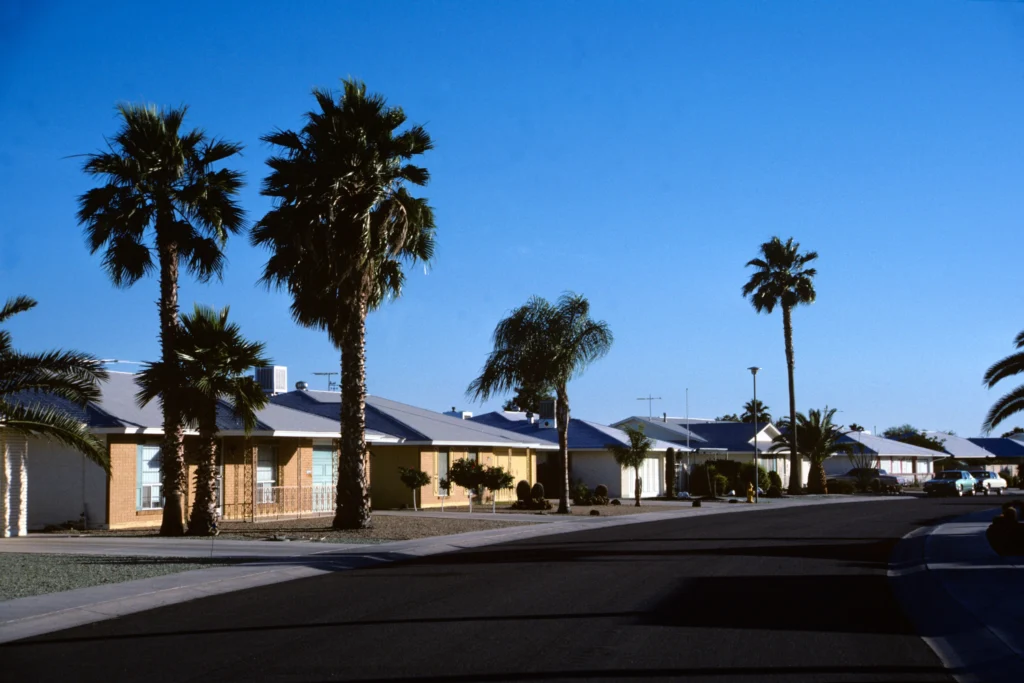
Sun City is often considered the original retirement village concept, established in the 1960s. It remains a thriving example of how retirement living can enhance quality of life. With multiple recreation centers, golf courses, arts facilities, and medical centers nearby, Sun City is more like a small town designed specifically for retirees.
This pioneering model has inspired worldwide, proving the long-term sustainability and appeal of this lifestyle option.
Use Cases of Retirement Villages
Retirement villages solve a variety of real-world challenges faced by older adults and their families.
Supporting Active Aging
For seniors who want to stay fit and active, provide the infrastructure, such as swimming pools, walking clubs, and wellness programs, that help maintain both physical and mental health.
Reducing Loneliness
Social isolation can significantly impact seniors’ well-being. Retirement villages encourage connection by organizing activities, events, and social clubs that foster new friendships.
Offering Peace of Mind to Families
Families often worry about the safety and care of their loved ones. Provide security systems, healthcare access, and supportive staff, reducing family stress.
Flexible Care Options
One of the greatest advantages of modernity is flexibility. Seniors can live independently while knowing that healthcare and support services are available if needed, eliminating the need for abrupt moves to nursing homes.
Providing a Balanced Lifestyle
From arts and crafts to gardening, travel clubs, and learning programs, these offer enriching experiences that help seniors continue exploring new interests well into later life.
Technology in Retirement Villages
Technology is playing an increasingly important role in the evolution of. Modern communities are adopting smart solutions that make life easier and safer.
Smart Home Features
Homes are often equipped with smart lighting, thermostats, and security systems that allow seniors to live more comfortably and securely.
Health Monitoring Devices
Wearable devices and telehealth systems are integrated into many, ensuring residents can easily track their health and get medical attention when required.
Communication Tools
Digital platforms are used to keep residents informed about community events, while video calling systems help them stay in touch with family and friends.
Frequently Asked Questions
Q1. What is the difference between a retirement village and a nursing home?
Retirement villages focus on lifestyle and independent living, offering amenities and social activities, while nursing homes primarily provide medical care and daily assistance for those with significant health needs.
Q2. Are retirement villages only for wealthy retirees?
No. While some retirement villages are luxury-focused, many offer affordable housing options. The diversity ensures there are choices for different budgets.
Q3. Can residents receive medical care in a retirement village?
Yes, many modern retirement villages offer on-site healthcare services, wellness centers, and emergency assistance systems, providing residents with both independence and peace of mind.