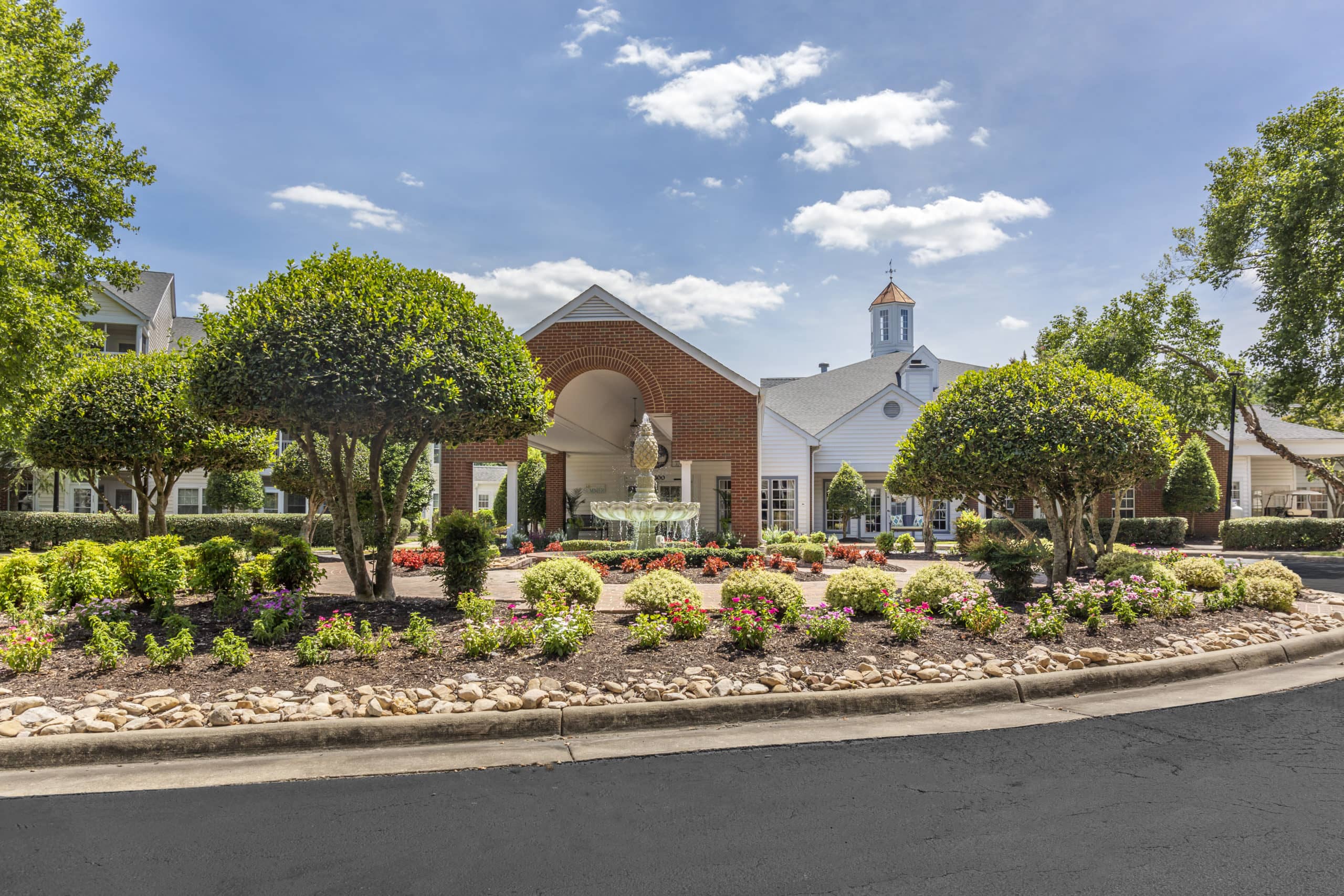
Senior Living Communities: Complete Guide to Options, Benefits, and Real-World Examples
Senior living communities are purpose-built residential spaces designed to provide older adults with comfortable housing, social interaction, and access to supportive services. Unlike traditional housing, these communities are tailored to the physical, emotional, and social needs of seniors, offering an environment that balances independence with assistance.
The rise of senior living communities reflects the growing demand for safe, engaging, and supportive environments for aging populations. Seniors benefit from a lifestyle that encourages connection, activity, and wellness, while families gain reassurance that their loved ones are cared for in a structured setting.
Types of Senior Living Communities
There are several types of senior living communities, each designed to address different levels of care and independence.
Independent living communities cater to active seniors who want freedom from household maintenance but enjoy access to amenities like dining, fitness centers, and social programs. Assisted living communities provide additional support with daily tasks such as bathing, dressing, or medication management while still fostering independence. Memory care communities specialize in supporting seniors with Alzheimer’s or dementia through structured activities and secure environments.
Another growing model is continuing care retirement communities (CCRCs), which combine all these options in one location, allowing seniors to transition seamlessly as their needs evolve. This flexibility makes CCRCs highly appealing to families seeking long-term solutions.
Real-World Examples of Senior Living Communities
1. Sunrise Senior Living
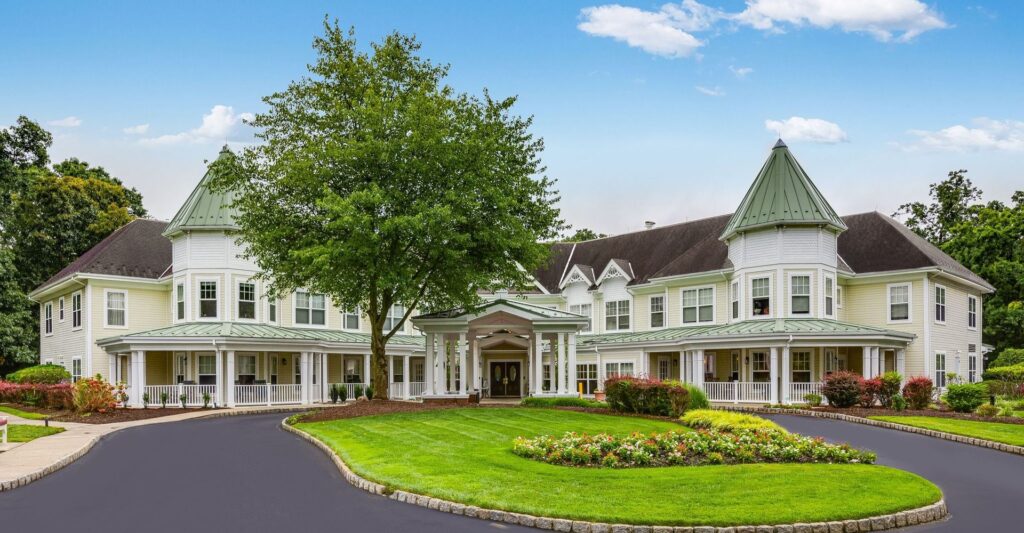
Sunrise Senior Living is one of the most recognized names in senior housing worldwide. It offers a mix of independent living, assisted living, and memory care communities. Their approach focuses on creating a homelike environment, where seniors can enjoy communal dining, structured wellness programs, and personalized care.
What makes Sunrise stand out is its dedication to individualized care plans and social engagement. From art workshops to fitness classes, residents are encouraged to pursue activities that stimulate both body and mind, helping to maintain quality of life as they age.
2. Brookdale Senior Living

Brookdale Senior Living operates a wide network of communities across the United States. They specialize in providing a full continuum of care, from independent living to memory care. This allows seniors to remain within the same community even as their health needs change.
Their facilities often feature fitness programs, cultural events, and chef-prepared meals, all aimed at enhancing residents’ daily lives. Brookdale is particularly known for its focus on wellness and preventative healthcare, making it a popular choice for families seeking holistic support.
3. Atria Senior Living
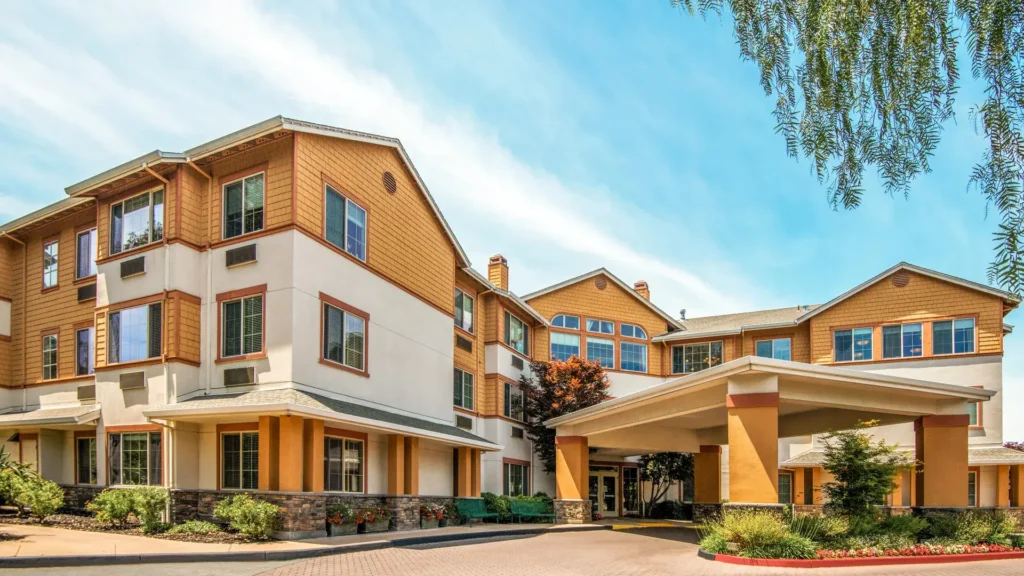
Atria Senior Living combines modern lifestyle amenities with supportive senior care. Their communities feature wellness centers, social activity calendars, and upscale dining experiences. The goal is to create an environment that balances independence with security.
Atria also emphasizes lifelong learning, offering residents opportunities to engage in cultural, educational, and recreational activities. This focus on personal growth and creativity helps seniors stay mentally active, which is critical for long-term cognitive health.
4. Holiday by Atria (formerly Holiday Retirement)
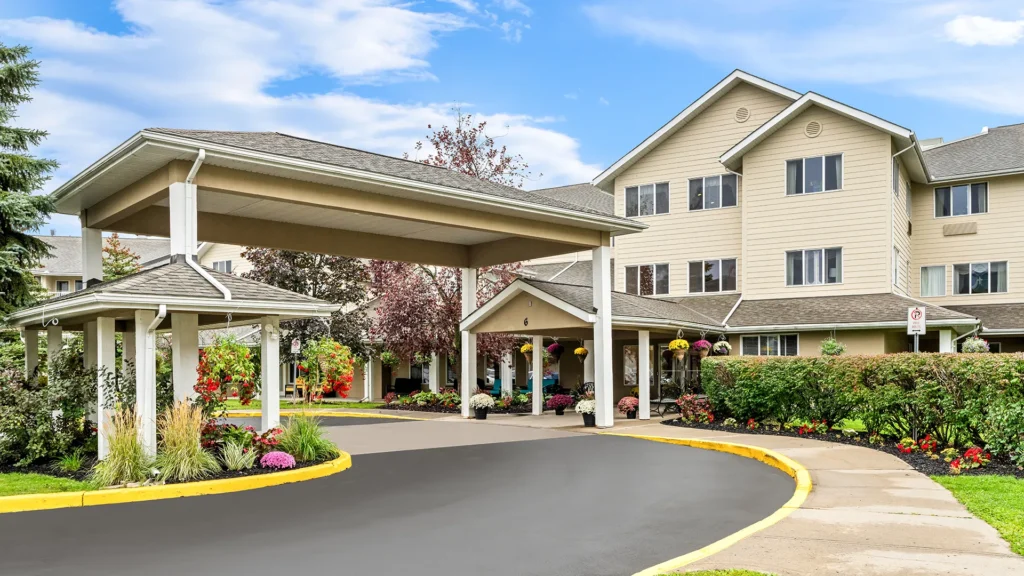
Holiday communities are designed primarily for independent seniors who want to enjoy maintenance-free living. These communities provide apartment-style residences along with dining services, housekeeping, and a calendar of social events.
Holiday’s model appeals to seniors seeking simplicity and companionship, while still maintaining their autonomy. The emphasis is on creating vibrant communities where residents can thrive socially without the burdens of household management.
5. Continuing Care Retirement Communities (CCRCs)

CCRCs offer a unique, long-term solution by combining independent living, assisted living, and nursing care within the same community. Seniors can start with minimal support and gradually transition to more advanced care as needed.
The benefit of this model is continuity. Seniors don’t need to relocate when their health circumstances change, providing peace of mind to both residents and their families. CCRCs often feel like small towns, with dining, fitness centers, cultural spaces, and medical services integrated into one location.
Benefits of Senior Living Communities
Senior living communities provide a wide range of benefits, both for seniors and their families. One of the most notable advantages is safety. These communities are equipped with secure facilities, staff on-site 24/7, and emergency response systems, ensuring seniors are protected at all times.
Another major benefit is social interaction. Seniors living alone often face loneliness and isolation, which can negatively impact their health. Living in a community allows residents to form friendships, attend group activities, and participate in events that foster connection and joy.
In addition, these communities focus on health and wellness. Many offer fitness programs, nutritious meals, and wellness monitoring to encourage healthy lifestyles. Families also benefit from peace of mind, knowing their loved ones are supported in a professional and compassionate environment.
The Role of Technology in Senior Living Communities
Technology has revolutionized senior living communities, making them safer, more efficient, and more engaging. For example, wearable health monitoring devices can track vital signs such as heart rate and blood pressure, sending real-time data to staff for proactive care.
Smart home features like voice-activated lighting and fall detection sensors provide greater independence for seniors while reducing risks. Video communication platforms allow residents to connect with family members, bridging the gap created by physical distance.
Additionally, communities are adopting AI-powered medication dispensers, ensuring residents receive the right dosage at the right time. This use of technology empowers seniors to maintain autonomy while enhancing their overall safety and well-being.
Practical Use Cases of Senior Living Communities
Senior living communities solve several real-world challenges faced by seniors and their families. For example, a senior who is active but struggles with home maintenance benefits from an independent living community, where chores like housekeeping and lawn care are handled by staff.
For seniors with mild memory issues, moving into a community that offers specialized cognitive support ensures safety while providing activities designed to slow cognitive decline. Families who worry about their loved ones being isolated also find relief, as these communities foster daily opportunities for socialization.
In medical emergencies, seniors benefit from immediate access to trained staff and healthcare facilities. This rapid response significantly reduces risks compared to living alone. These use cases highlight why senior living communities are increasingly viewed as both a lifestyle upgrade and a practical solution for aging.
Frequently Asked Questions
Q1. What is the difference between senior living communities and nursing homes?
Senior living communities focus on lifestyle, social opportunities, and independence with varying levels of support, while nursing homes primarily provide intensive medical care for those with serious health issues.
Q2. Do senior living communities provide healthcare services?
Many communities provide access to healthcare services, wellness programs, and medication management. However, the level of care depends on the type of community, with assisted living and CCRCs offering more medical support than independent living communities.
Q3. Are senior living communities affordable?
Affordability varies widely based on location, services, and amenities. Some communities cater to luxury living with extensive features, while others provide more cost-conscious options. Families should evaluate needs and budget to find the right fit.