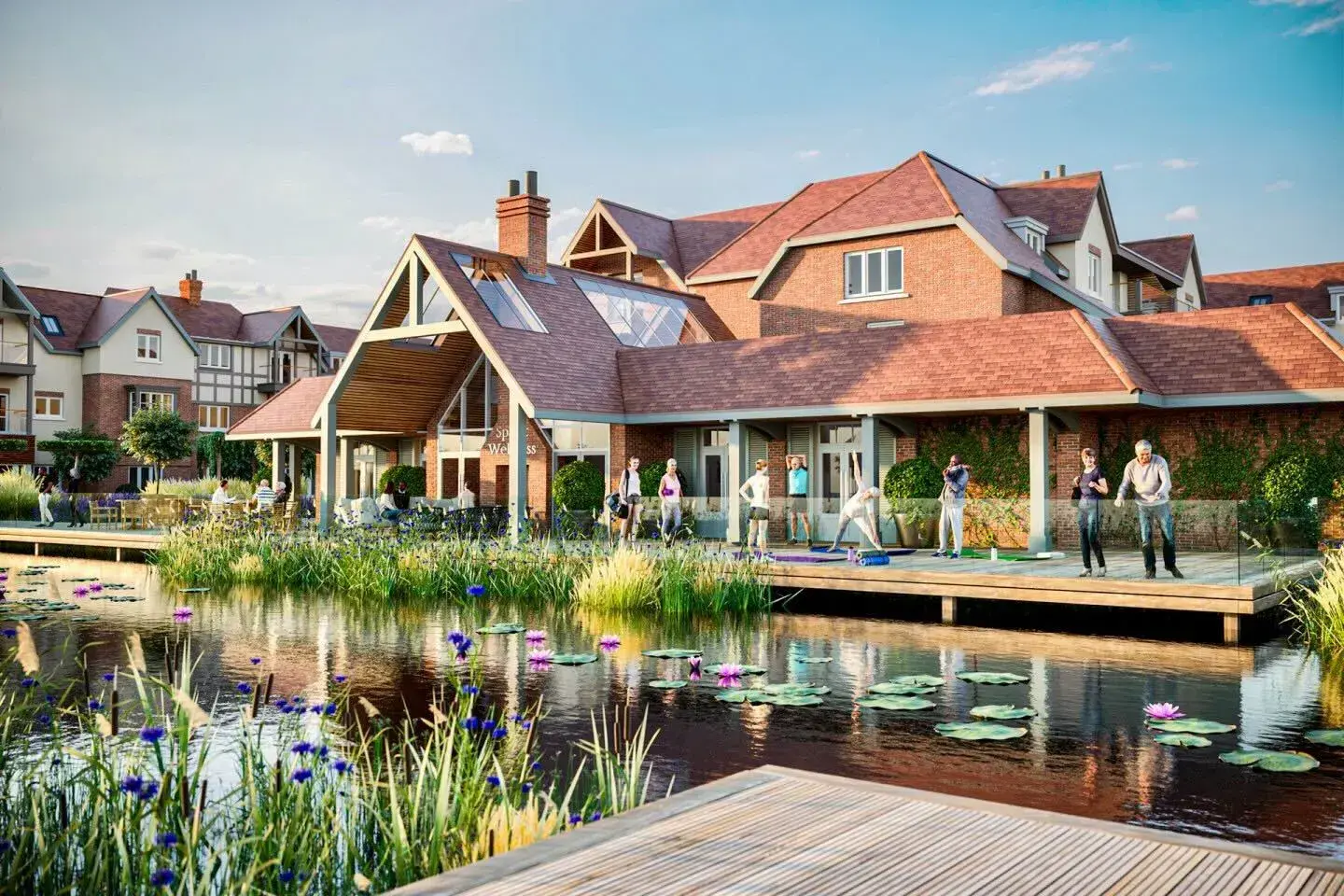
Senior Living Properties Locations A Complete Guide for 2025
Senior Living Properties Locations. The search for the right senior living property is one of the most important decisions families and retirees make. Choosing the right location is not just about real estate-it’s about creating an environment where older adults can live with comfort, dignity, and access to essential services. Senior living properties are available in different formats, from independent living communities to assisted living residences, and the choice of location plays a critical role in lifestyle, health, and overall well-being.
This guide provides a deep dive into senior living properties locations, exploring what they are, why they matter, their benefits, and how technology and real-world examples are shaping the future of retirement living.
What Are Senior Living Properties Locations?
Senior living properties locations refer to the physical settings where specialized housing and communities for older adults are developed. These properties are designed to provide safe, comfortable, and socially engaging environments for retirees, often catering to varying levels of independence and care.
Locations can include urban settings near hospitals and cultural attractions, suburban communities offering peace, or rural retreats surrounded by natural beauty. Each location has its own advantages depending on lifestyle preferences, health needs, and social requirements of seniors.
Why Location Matters in Senior Living
When families or seniors evaluate potential retirement homes, location is often the deciding factor. A well-chosen location provides more than convenience; it influences health, happiness, and quality of life.
Being close to healthcare centers ensures quick medical support. Proximity to family members allows for frequent visits and reduced isolation. Some seniors prefer vibrant city living with cultural amenities, while others seek the calm of coastal or countryside living. The right location balances safety, accessibility, and opportunities for an enriched lifestyle.
Key Factors That Define Senior Living Locations
Several considerations determine the suitability of a senior living property’s location.
Proximity to Healthcare
Healthcare access is a top priority. Properties located near hospitals, clinics, and specialized care centers give seniors peace of mind and faster response in emergencies.
Social and Cultural Opportunities
Locations near theaters, museums, parks, and community centers provide opportunities for recreation and engagement, which are essential for mental well-being.
Climate and Environment
Many retirees seek mild, pleasant climates. Properties in coastal towns, mountain retreats, or sunbelt states are highly sought after for their weather and scenic surroundings.
Transportation and Accessibility
Good transport links, safe walkways, and nearby amenities make it easier for seniors to stay independent and connected.
Real-World Examples of Senior Living Properties Locations
To understand how location influences senior living, let’s explore real-world examples of different types of properties and communities.
1. Coastal Senior Living in Florida
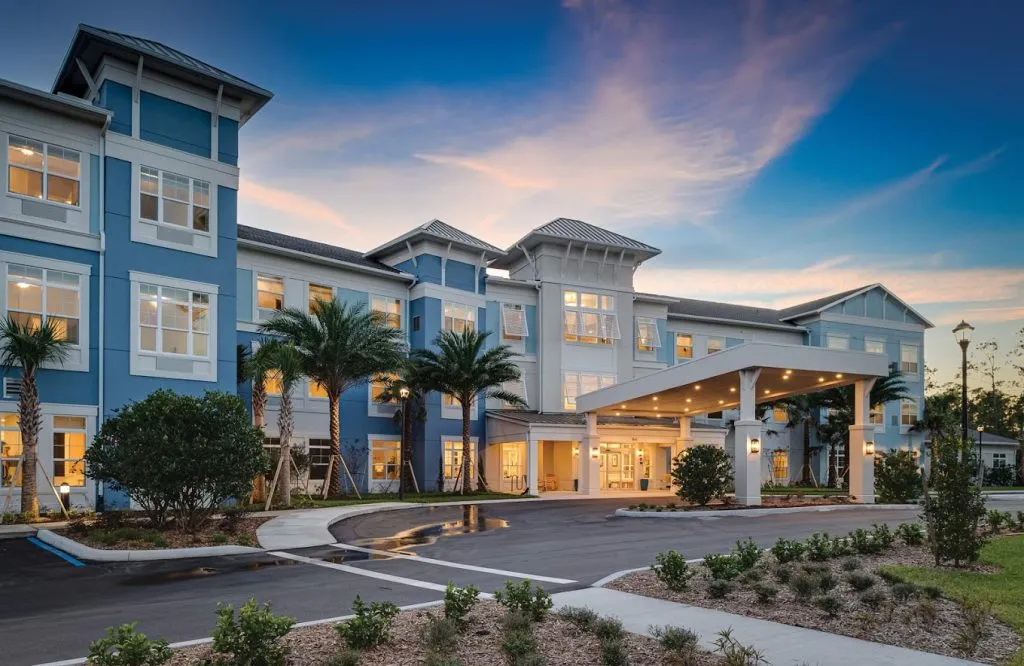
Florida is one of the most popular retirement destinations due to its warm climate, abundance of recreational activities, and tax benefits for retirees. Coastal senior living communities in cities like Naples or Sarasota often provide ocean views, wellness centers, and easy access to beaches.
These properties attract active seniors who enjoy outdoor living, socializing, and participating in wellness programs. The coastal location also promotes relaxation, which is ideal for long-term retirement comfort.
2. Urban Senior Apartments in New York City
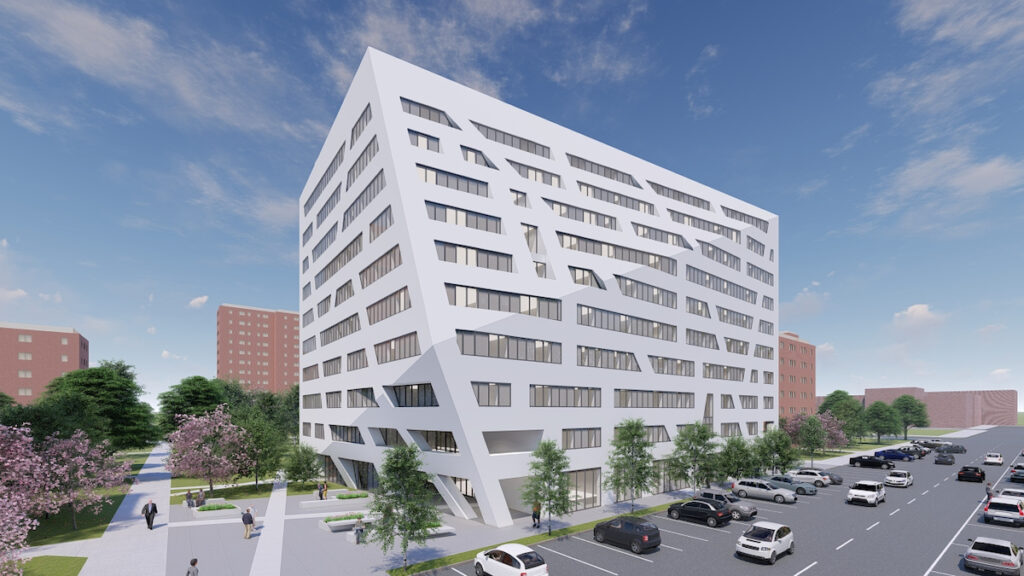
For seniors who thrive on cultural engagement, New York City offers senior living apartments in proximity to theaters, museums, and world-class hospitals. These urban properties provide residents with access to vibrant communities and support services while maintaining independence.
Urban senior living locations are especially suited for retirees who prefer staying active in a bustling environment, with opportunities for dining, entertainment, and intellectual engagement just steps away.
3. Countryside Retirement Villages in the UK
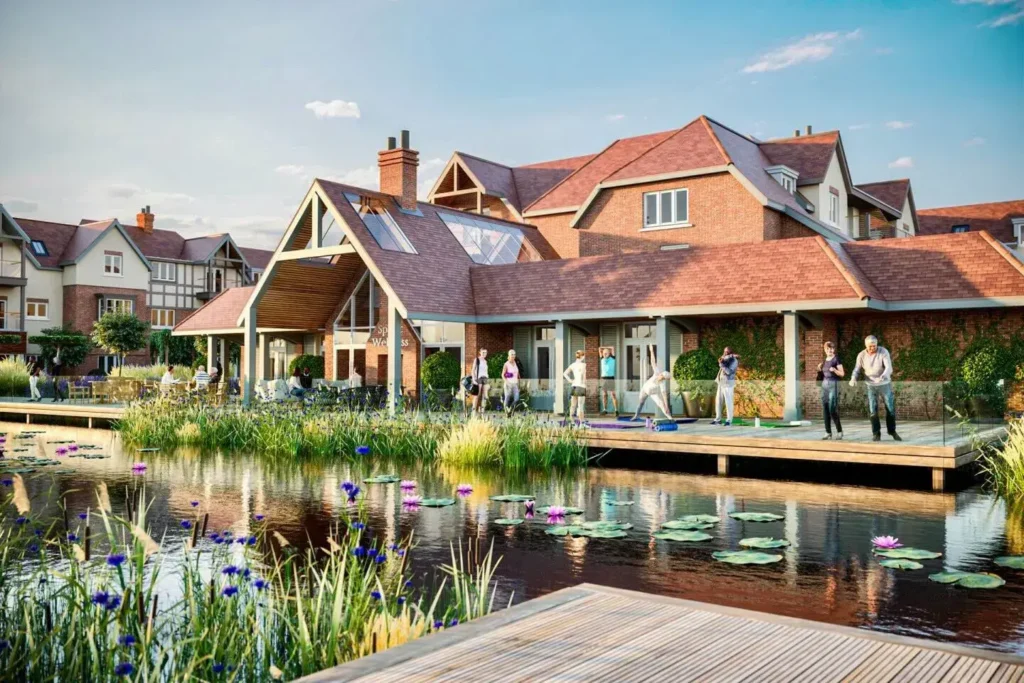
In the UK, countryside retirement villages are gaining popularity. Properties located in areas like the Cotswolds provide serene surroundings, walking trails, and gardens. These communities are ideal for seniors seeking peace, quiet, and scenic living.
Such rural locations also emphasize wellness and outdoor activities, helping residents maintain physical health while enjoying a slower pace of life. Community centers in these villages often host group activities, ensuring social connection despite the remote setting.
4. Senior Living in California’s Wine Country
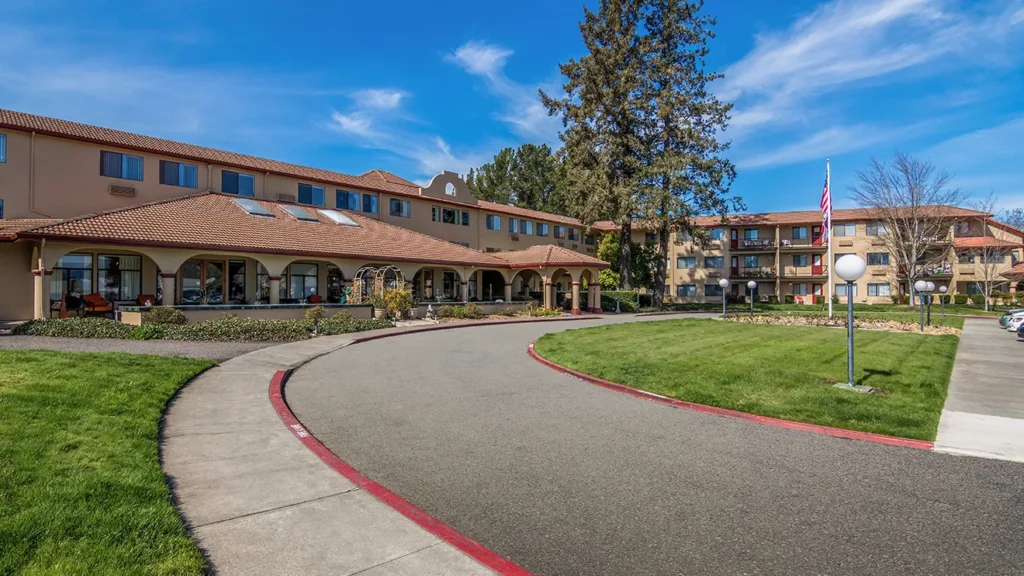
California’s Napa Valley offers retirement communities surrounded by vineyards and rolling hills. These locations appeal to seniors who appreciate fine dining, cultural events, and beautiful landscapes. Properties here often integrate wellness programs, spas, and gourmet dining options.
This type of senior living location blends luxury with lifestyle, catering to retirees who want both comfort and an enriching cultural environment.
Benefits of Senior Living Properties Locations
Choosing the right location offers seniors and their families practical and emotional benefits.
Safety and Security
Senior living communities are designed to provide a safe environment with security systems, staff support, and medical access. Locations in secure neighborhoods or gated areas enhance peace of mind.
Social Connection
Locations near family or community centers encourage regular interaction, reducing loneliness and promoting mental health. Proximity to recreational opportunities also fosters active lifestyles.
Tailored Lifestyle Choices
Different locations cater to different lifestyles. Beachfront communities promote relaxation, city apartments encourage cultural engagement, and countryside villages emphasize peace and wellness.
Technology-Enabled Comfort
Many senior living properties in 2025 will integrate smart technologies that improve convenience. Smart medical alert systems, automated climate control, and digital communication platforms enhance quality of life regardless of location.
How Technology Enhances Senior Living Properties Locations
Technology has transformed how senior living properties operate, especially in 2025.
-
Smart Home Integration: Residents can control lighting, heating, and appliances using simple voice commands.
-
Health Monitoring Devices: Wearables track vital signs and notify caregivers of irregularities.
-
Digital Social Platforms: Seniors can connect with family virtually through integrated video systems.
-
Security Features: Smart locks, cameras, and emergency alerts provide added safety.
Technology ensures seniors can live independently while staying connected and supported, making location even more impactful by combining physical convenience with digital assistance.
Use Cases of Senior Living Properties Locations
Senior living properties serve different needs depending on lifestyle and health requirements.
Independent Living for Active Seniors
Active retirees who want freedom but still prefer access to support services choose independent living communities in vibrant locations. These properties balance independence with security.
Assisted Living for Health Support
Some seniors need daily living assistance. Assisted living properties located near hospitals or specialized care centers ensure residents have quick access to medical help when required.
Memory Care Residences
For seniors with Alzheimer’s or dementia, specialized properties in safe, calm locations are critical. These communities provide supportive environments that reduce stress and ensure safety.
Luxury Senior Living
High-end senior living properties in desirable locations such as California or Tuscany provide a blend of leisure, wellness, and cultural engagement, attracting retirees seeking comfort and enrichment.
Practical Benefits in Real-Life Scenarios
Senior living properties’ locations help solve real-world challenges:
-
Isolation: Properties near families or social hubs help seniors stay engaged and avoid loneliness.
-
Health Risks: Locations close to hospitals or with on-site medical support ensure quick emergency response.
-
Mobility Issues: Properties in accessible areas with transport links help seniors maintain independence.
-
Lifestyle Needs: Whether seniors desire cultural engagement or peaceful nature retreats, tailored locations support personal preferences.
Frequently Asked Questions
Q1. What factors should families consider when choosing a senior living property location?
Families should prioritize healthcare access, safety, social opportunities, climate, and proximity to family. These factors significantly impact a senior’s comfort and quality of life.
Q2. Are urban or rural locations better for senior living?
It depends on the senior’s preferences. Urban locations provide cultural activities and healthcare access, while rural locations offer peace, nature, and wellness-focused lifestyles. Each has unique advantages.
Q3. How does technology improve senior living in different locations?
Technology enables seniors to live independently regardless of location. Smart home devices, health monitoring systems, and digital communication tools ensure safety, convenience, and connectivity for residents.